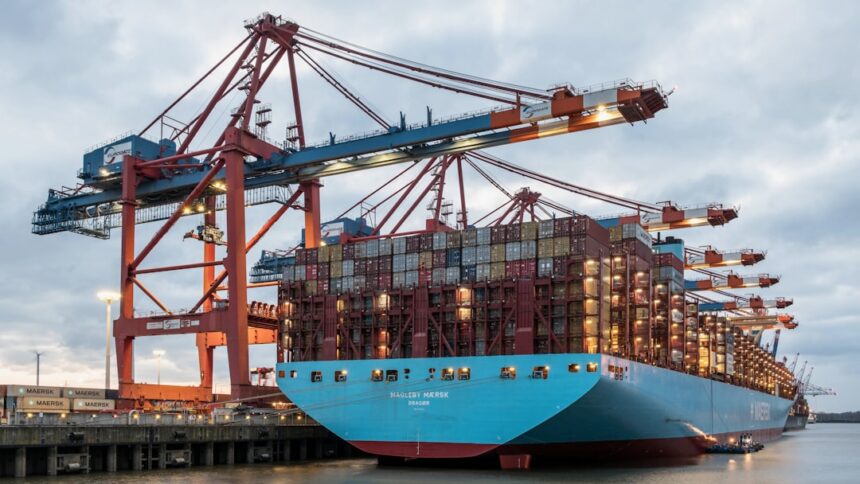
Congress has introduced resolutions that target critical shipping waivers in California, specifically the Ocean-Going Vessels At Berth waiver and the Commercial Harbor Craft waiver, potentially destabilizing established operational frameworks within the maritime sector. The resolutions, sponsored by key Republican figures from various states, seek to reclassify these waivers, historically recognized as non-regulatory under the Clean Air Act.
The At-Berth Regulation
Since its inception, the At-Berth Regulation has provided long-term regulatory certainty to the shipping industry, initially implemented to mitigate emissions from vessels docked at California ports. Updated in 2020, the regulation is designed to produce significant health benefits, with the California Air Resources Board (CARB) estimating a potential 60% reduction in cancer risk for nearby communities. Compliance ramp-up began in 2014, with final requirements slated for enforcement in 2027.
Impact on Public Health and Investment
The anticipated repercussions of overhauling these waivers extend beyond regulatory uncertainty; they threaten to undermine substantial investments that stakeholders have made in cleaner technologies for maritime operations. These investments, amounting to hundreds of millions, focus on enhancing air quality and supporting innovations in zero-emission vessel technologies. According to CARB’s analyses, the amended At-Berth Regulation alone would save 230 lives and prevent extensive hospital visits, yielding overall health benefits valued at $2.31 billion.


Response from Industry Stakeholders
Industry advocates, including representatives from organizations like Pacific Environment, argue that the congressional push against these waivers represents an unwarranted intervention in efforts to lead the global shipbuilding industry while ensuring public health is safeguarded. As the debate continues, the industry remains on alert for potential disruptions to the established regulatory landscape, which is crucial for maintaining a competitive edge in clean shipping.
Behind the Headline
The ongoing effort to rescind California’s shipping waivers highlights significant tension between regulatory frameworks aimed at public health and political maneuvers that could destabilize the maritime industry. The At-Berth and Commercial Harbor Craft regulations are foundational to reducing harmful emissions in one of the nation’s busiest maritime regions. For operators and stakeholders, the challenge lies in navigating the potential fallout from these legislative efforts while upholding commitments to environmental stewardship. Future developments will be critical as stakeholders seek to preserve investments made under these frameworks and push for continued advancements in clean maritime practices.