On September 30, SUNY Maritime College’s training vessel, Empire State VII, is scheduled to depart New York for Norfolk, Virginia. This movement marks the beginning of a month-long activation aimed at flight deck certification prior to supporting operations with the U.S. Navy. The Maritime Administration (MARAD) previously ordered this activation as part of a classified national security mission associated with a pressing Military Sealift Command requirement.
Activation Details
Empire State VII is set to arrive in Norfolk on October 1, remaining there until October 30. This period will focus on essential maintenance and repair certification under MARAD’s extended program. The ship, which can accommodate hundreds of cadets and features a roll-on/roll-off cargo capacity along with a helicopter flight deck, was delivered in 2023 and is classified as part of MARAD’s National Defense Reserve Fleet.

Implications for SUNY Maritime College
The decision to deploy Empire State VII was made by the Maritime Administrator and not by SUNY Maritime officials. Rear Admiral John Okon highlighted the challenges imposed on the academic community due to the ship’s absence, a significant component of the college’s training environment. He emphasized the need for the ship’s return to Fort Schuyler on or around February 12, 2027, in order to maintain the training schedule for students.

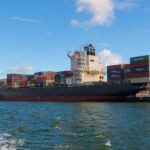
Training programs are currently being adjusted across academic and waterfront operations to minimize disruptions while ensuring that necessary qualifications for graduation are met.
The Operational Read
The upcoming deployment of Empire State VII serves as an operational test of the National Security Multi-Mission Vessel program. The vessel’s dual role as both a training ship and a component of the National Defense strategy reflects an evolving landscape for maritime education and national security operations. As the Military Sealift Command utilizes this asset for classified missions, operators and maritime educators will need to navigate the challenges presented by the absence of such a key training vessel. Stakeholders in maritime education should monitor the ongoing discussions concerning the ship’s timeline for return, as delays could further impact training schedules and student preparedness.