Update 09 Jul 2026, 10:34 UTC:
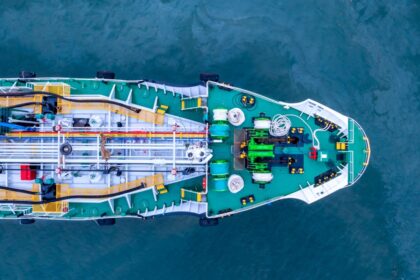
The Strait of Hormuz has seen renewed conflict as the Iranian Revolutionary Guard Corps (IRGC) struck two laden tankers running dark on the NCAGS-approved outbound route early on July 7. The attacks targeted a Qatari LNG carrier, AL REKAYYAT, and a Saudi-owned Ultra Large Crude Carrier (ULCC), indicating significant threats to commercial traffic in the area.
The Incident
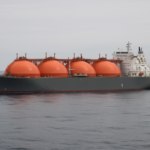
The first vessel struck, AL REKAYYAT (IMO 9397339), was a Marshall Islands-flagged Qatari LNG carrier of 315 meters in length, operated by Qatar Liquefied Gas Company and owned by a Qatari state-linked entity. This LNG vessel was hit near its engine room while transiting east of the Musandam Peninsula, resulting in a reported fire. Fortunately, all crew members were unharmed, and no casualties were reported. The vessel had been operating with its Automatic Identification System (AIS) turned off for 19 days prior to the attack, a tactic that raises suspicions about its movements prior to the assault.

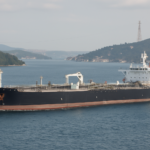
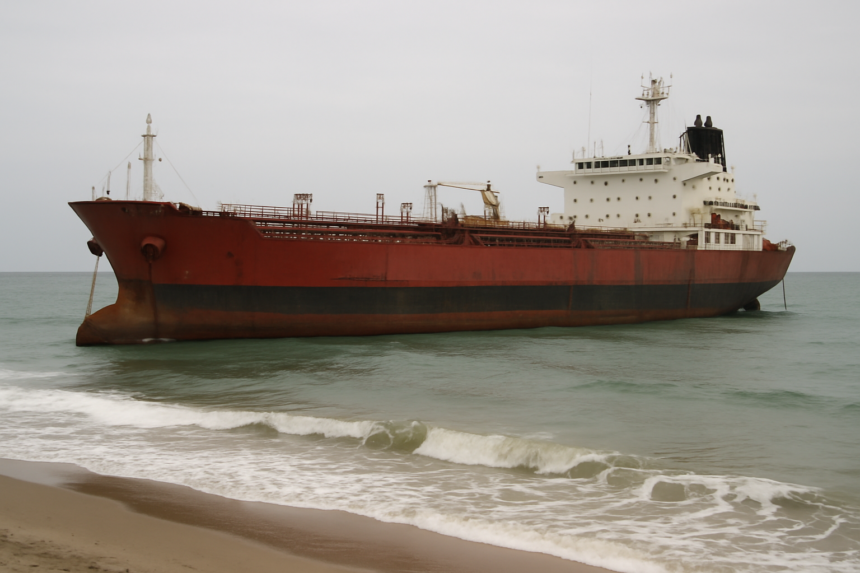
The second attack concerned a Saudi ULCC, which was struck approximately eight nautical miles east of Limah, Oman, also while running dark. A fire initiated on the port side, but like the Qatari vessel, there were no casualties. Iranian state media claimed the Qatari LNG carrier was targeted after ignoring warnings. This situation aligns with prior Iranian military directives for vessels utilizing the approved shipping corridors.
Market Impact
The striking of these vessels marks the third confirmed attack on Qatari LNG assets in 2026, following incidents earlier in the year that have heightened tensions in this strategic maritime channel. In immediate response to the strikes, six vessels rerouted from the southern corridor to the central corridor while one LNG tanker halted its journey and chose to anchor midway in the Strait. Despite the incidents, commercial traffic continued, with 45 transits reported on July 6 and two 11-vessel convoys approaching the southern corridor on July 7. However, the operational realities behind the reopening of these routes are currently under intense scrutiny and may require reevaluation.
Meanwhile, at Kharg Island, Iran’s crude export procedures continued to intensify, with all three loading terminals active for the first time in several weeks. Reports indicated that the eastern waiting area was 85% laden, suggesting that Iran is accelerating its crude exports despite the ongoing hostilities.
Operator Response
The incidents have prompted serious reevaluations of safety practices within the Gulf of Oman and northern Arabian Gulf regions. Windward has highlighted a critical operational risk environment, noting that Iranian kinetic strikes coupled with active enforcement of approved routes increase the potential for further hostilities. The assertion that IRGC operations may include sophisticated evasion techniques, such as asymmetric anchor-swing spoofing, complicates the safety landscape for carriers and traders alike.
The Operational Read
The recent IRGC strikes on commercial tankers reaffirms the volatility of the Strait of Hormuz, a critical transit route for LNG and crude oil. Operators must now navigate increasing security risks and the potential for further Iranian military actions. As the situation unfolds, the effectiveness of prior safety measures, including U.S. military escorts, will be tested. Stakeholders should proactively reassess their logistics and review risk management strategies to mitigate potential disruptions in this high-stakes environment, particularly as geopolitical tensions continue to rise.