Update 29 Jul 2026, 10:36 UTC:
The Red Sea has emerged as a renewed battleground, with Houthi forces resuming attacks on Saudi targets starting July 22. This escalation follows a ceasefire that had been in effect since September 2025, triggered by recent Saudi airstrikes on Houthi positions in Hodeidah. The heightened hostilities culminated in strikes on a Saudi Aramco refinery in Jizan on July 25, emphasizing the volatile security situation.
The Houthi Offensive
Specifically, Houthi forces targeted multiple locations, resulting in damage to Saudi infrastructure and directly affecting shipping operations. The ENCELIA (IMO 9240172) was hit by an unidentified projectile approximately 70 nautical miles southwest of Al Shuqaiq, Saudi Arabia, on July 22. Additionally, on July 24, the NCC MASA (IMO 9688336), a Saudi-owned oil products tanker carrying around 215,100 barrels of diesel, sustained minor damage from a strike in the Red Sea, although it reached its destination safely. The vessel had implemented AIS-dark operations since July 19, demonstrating proactive measures taken by operators amid increasing threats.


Despite the attacks, Bab al-Mandeb straits reported steady vessel traffic, with 17 inbound and 14 outbound transits on July 25, maintaining similar numbers from the previous day. This resilience in maritime operations illustrates the ongoing adaptability of shipping routes against security challenges.
Operational Adjustments at Yanbu Port
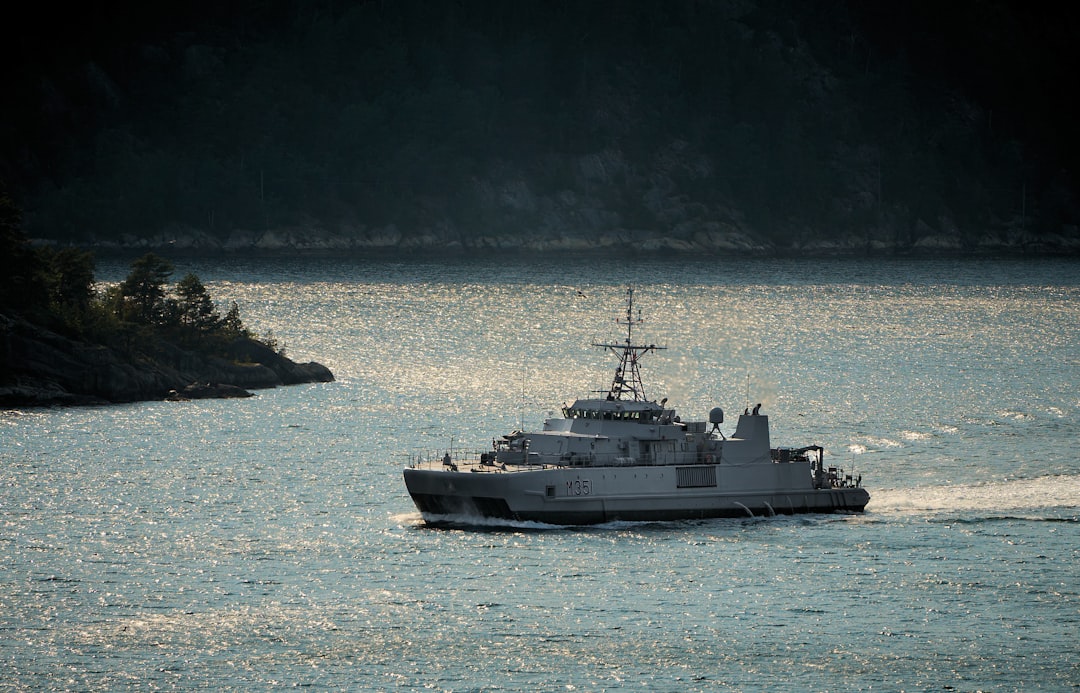
In light of the increased Houthi threat, the operational protocols at Yanbu port have significantly shifted. Satellite imagery indicates a marked transition from AIS-active to AIS-dark tanker operations. Prior to the escalations, the baseline showed a mix of 9 AIS-active and 5 dark vessels; by July 26, the port had transitioned to an entirely AIS-dark status with 11 dark tankers at berth and several more positioned offshore.
This tactical adjustment reflects the operators’ commitment to safeguarding assets in a volatile environment. The strategic choice to hide vessels from tracking increases safety but complicates operational coordination and logistics. With 14 of the 24 berth positions occupied by dark vessels, the industry must also consider the implications this has on scheduling and laytime for cargo operations.
The Operational Read
The current situation in the Red Sea highlights a critical moment for shipping operators and cargo owners, necessitating a reevaluation of standard operating procedures under increased threat conditions. The shift to AIS-dark operations, while enhancing immediate security, could potentially cause disruptions in trade patterns and commercial schedules. Market participants will need to monitor Houthi activities closely, as the conflict’s dynamics could lead to further operational challenges, impacting transport times and costs. The ongoing adaptability of shipping routes, particularly the diversion through the SUMED pipeline and around the Cape of Good Hope, will be vital for maintaining flow despite rising geopolitical tensions.