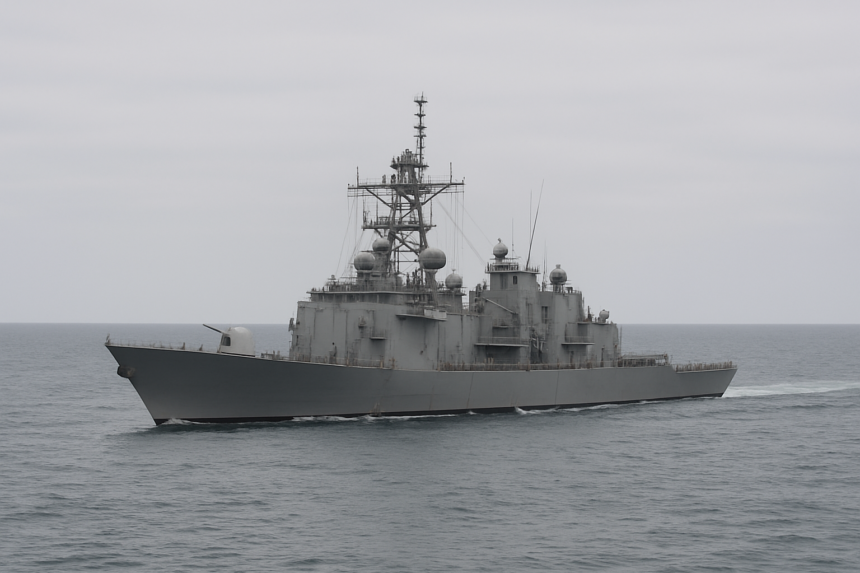
In response to ongoing regional tensions, the U.S. military is adapting its approach to protecting commercial vessels transiting the strategic Strait of Hormuz. Recent reports indicate that U.S. Central Command (Centcom) is coordinating discreetly with maritime operators to enhance safety without the high-profile announcement of military escorts. This shift follows President Trump’s earlier Project Freedom initiative, which was publicly discarded amid increased Iranian aggression.
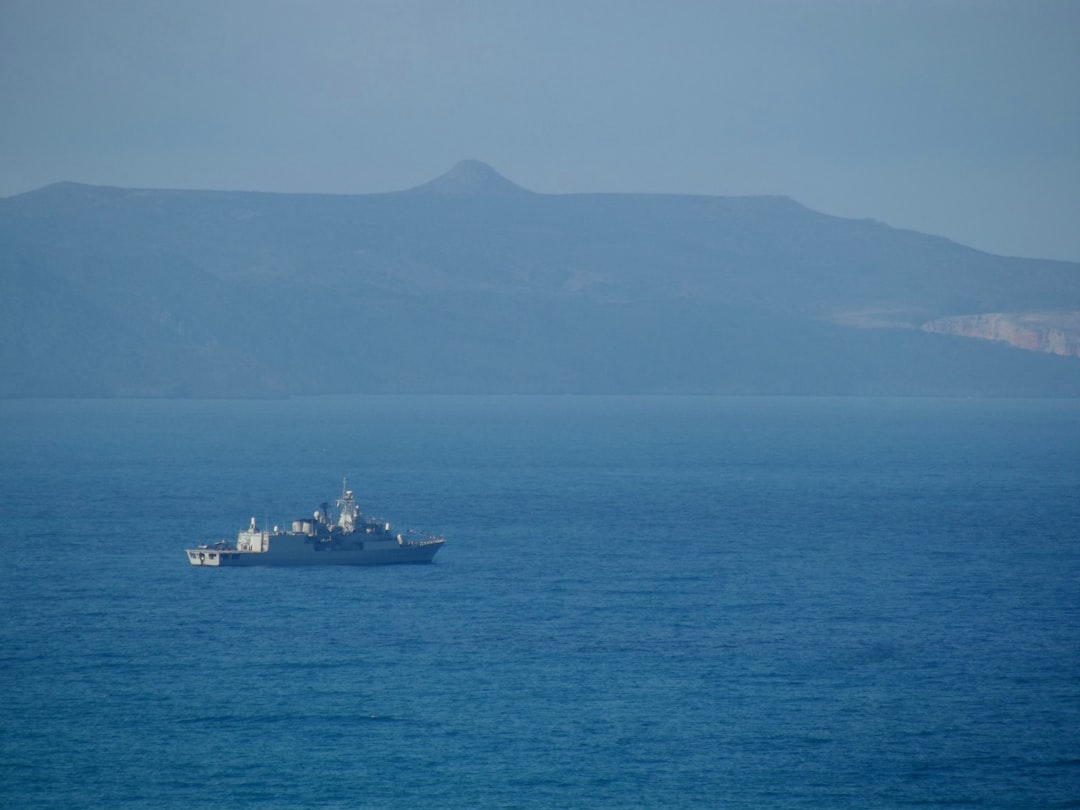
The Changing Landscape
Following a month of heightened tensions, U.S. forces have adopted a more subtle strategy. While Centcom previously denied resuming escorts, recent statements reveal a pivot towards facilitating communication and support for ships navigating the strait’s heightened threats. The strategy involves encouraging vessels to disable their Automatic Identification System (AIS) transponders and navigate close to the Omani coast, reducing the likelihood of detection by Iranian forces.
Navy Captain Tim Hawkins stated that while U.S. Navy forces are not directly escorting vessels, they are actively engaging with commercial ships to ensure safe passage through this critical maritime corridor. Incidents of Iranian drones targeting civilian maritime traffic have been met with U.S. defensive strikes, showcasing the ongoing threats in this area.

Operator Adaptations
Shipping companies are reportedly in direct contact with U.S. military officials, receiving tailored guidance on navigation strategies amid the uncertain environment. As vessels attempt to evade potential Iranian fast attack boats, reports indicate that U.S. helicopters have intervened to ensure the safety of vessels under threat. Experts suggest that by hugging the Omani coast and minimizing electronic signatures, ships can reduce the chances of being targeted by Iranian radar systems.
Industry analysts note that increasing confidence among shippers regarding safe transit could herald a resurgence in maritime traffic through this vital route. However, uncertainty remains as the geopolitical landscape continues to evolve, necessitating ongoing vigilance from both operators and military forces in the region.
The Operational Read
The operational implications of this revised U.S. military strategy in the Strait of Hormuz highlight significant shifts in maritime navigation. For operators, the directive to disable AIS transponders introduces an added layer of complexity in maintaining situational awareness and compliance with international maritime regulations. The ability to closely coordinate with U.S. forces may improve safety but also requires vessels to adapt their operational protocols under pressing conditions. Stakeholders should monitor developments closely, particularly how Iranian responses evolve in light of these quiet partnerships, which could inform future transit strategies for commercial shipping in a region marked by volatility.