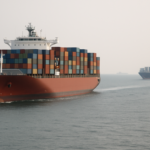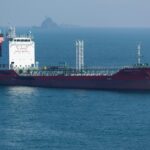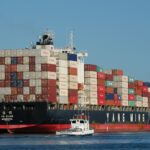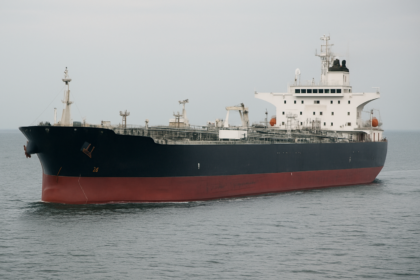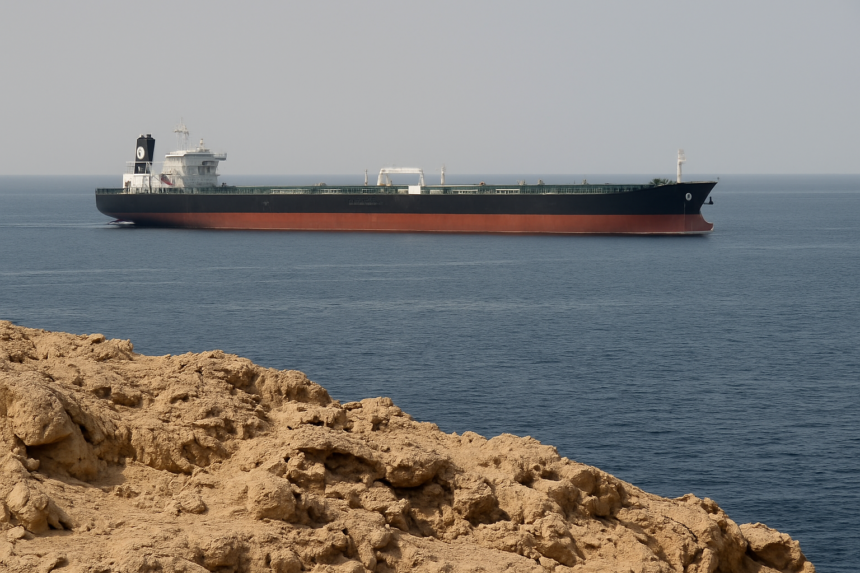
On May 27, 2026, President Donald Trump dismissed a report suggesting that Iran and Oman were set to jointly manage shipping through the Strait of Hormuz as part of a ceasefire deal stemming from the ongoing conflict. His remarks indicate a significant impasse in talks, which have already seen escalating geopolitical tensions in this vital maritime corridor.

The Disputed Agreement
Iranian state television recently aired details of an unofficial draft agreement aimed at restoring commercial shipping through the Strait of Hormuz to prewar levels within a month. The proposal reportedly included U.S. military withdrawal from the region and an end to the blockade affecting Iranian ports. However, President Trump insisted that no single nation would control the strategic waterway, stating firmly, “Nobody’s going to control it… Oman will behave just like everybody else or we’ll have to blow them up.”
This statement casts doubt on the feasibility of the proposed agreement while reflecting the complex nature of U.S. relations with Oman and Iran as the conflict continues. Trump’s comments highlight the broad geopolitical stakes, as any arrangement affecting the Strait directly impacts global energy markets.

Market Reactions
The revelations surrounding the proposed agreement led to a significant reaction in global oil markets, with prices initially plummeting over 5% before regaining part of that loss. The Strait of Hormuz is a crucial chokepoint, facilitating the transit of about one-fifth of the world’s oil and liquefied natural gas. The uncertainty surrounding the negotiations has emphasized the vulnerability of energy supply routes in the face of geopolitical strife.
Further complicating the situation, Trump has sought the involvement of regional powers, including Saudi Arabia, Qatar, and Turkey, regarding normalization efforts related to Israel. However, their lack of participation poses an additional challenge to reaching a comprehensive settlement.
The Operational Read
The operational landscape in the Strait of Hormuz remains fraught with uncertainty as diplomatic negotiations evolve. The potential for both military engagement and significant disruptions to shipping traffic is high. For operators, the ongoing U.S. military presence and geopolitical instability dictate a need for enhanced risk assessments and contingency planning. The ability to navigate through these international waters unhindered is fundamental to maintaining supply chains, and operators should monitor developments closely as negotiations progress. The focus will now shift towards the outcome of potential military withdrawals and their impact on regional maritime security.