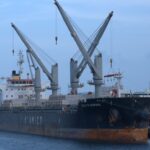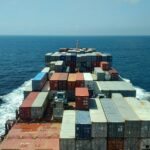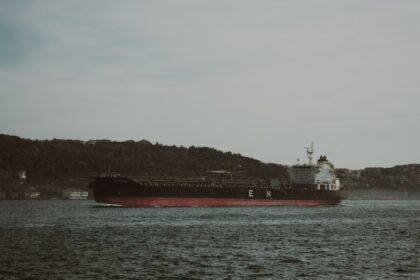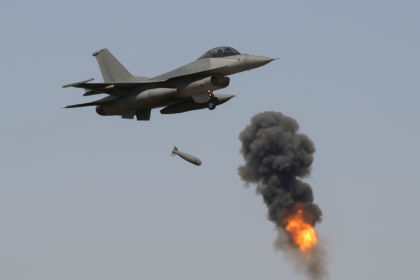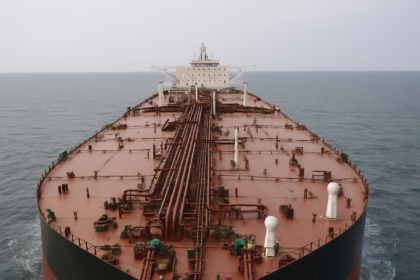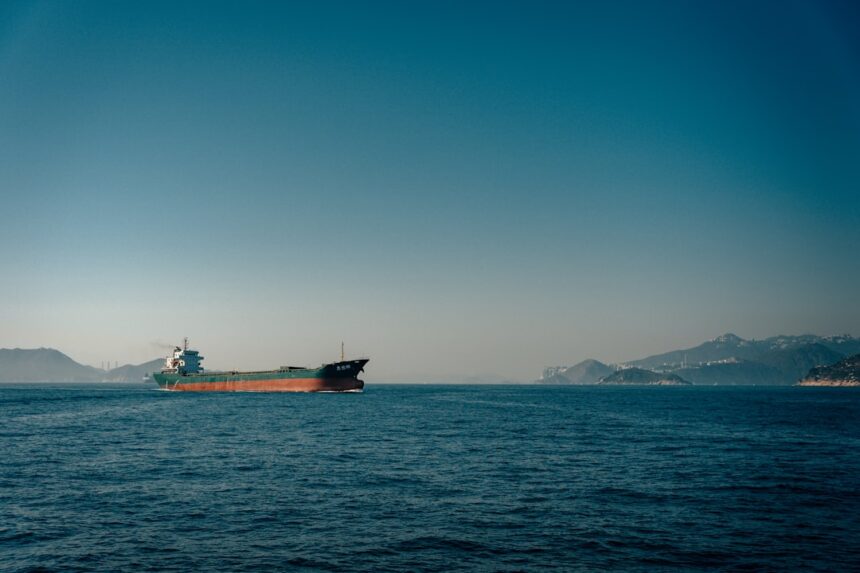
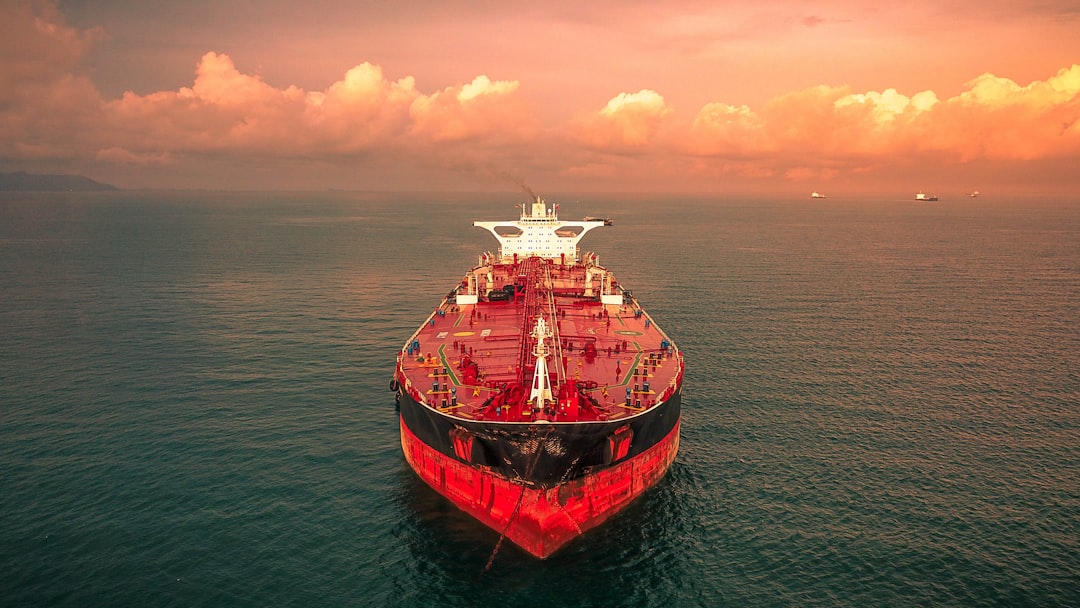
In a troubling development for maritime security, an ADNOC-owned tanker was reportedly struck by an Iranian missile while transiting the Strait of Hormuz on Saturday. The attack highlights the region’s deteriorating security situation and continued threats to commercial shipping.
The Incident
The vessel, which was in the vital shipping lane known for facilitating a significant portion of global oil trade, was targeted as tensions rose between Iranian proxies and regional adversaries. The United Arab Emirates (UAE) confirmed the strike, noting that no casualties occurred among the crew. ADNOC emphasized that the situation was promptly brought under control, ensuring the vessel’s integrity remained intact.
Escalating Tensions
This missile strike is part of a broader pattern of maritime and non-maritime engagements involving Iranian forces. Concurrently, Houthi rebels launched strikes targeting Saudi energy infrastructure, exacerbating geopolitical tensions. These operations underscore a strategic shift in maritime threats, where state and non-state actors increasingly employ advanced weaponry to disrupt vital energy supply routes.

Market Impact
The threat level in the Strait of Hormuz has caused shipping operators to reconsider their routes and the operational risk associated with transiting the region. The potential for further escalations or retaliatory responses could disrupt freight schedules and affect oil transport logistics, heightening insurance costs and affecting pricing on global oil markets.
The Operational Read
For maritime operators, the recent attack serves as a stark reminder of the risks inherent in navigating through the Strait of Hormuz. With over 20% of the world’s oil passing through this chokepoint, any disruptions can have significant repercussions not only for shipping timelines but also for global energy prices. Operators might need to implement enhanced security protocols and reassess their routes or consider alternative shipping lanes altogether. Continuous monitoring of geopolitical developments and potential military developments will be crucial for ensuring operational readiness and safeguarding crew and cargo.