Update 25 Sep 2026, 06:32 UTC:
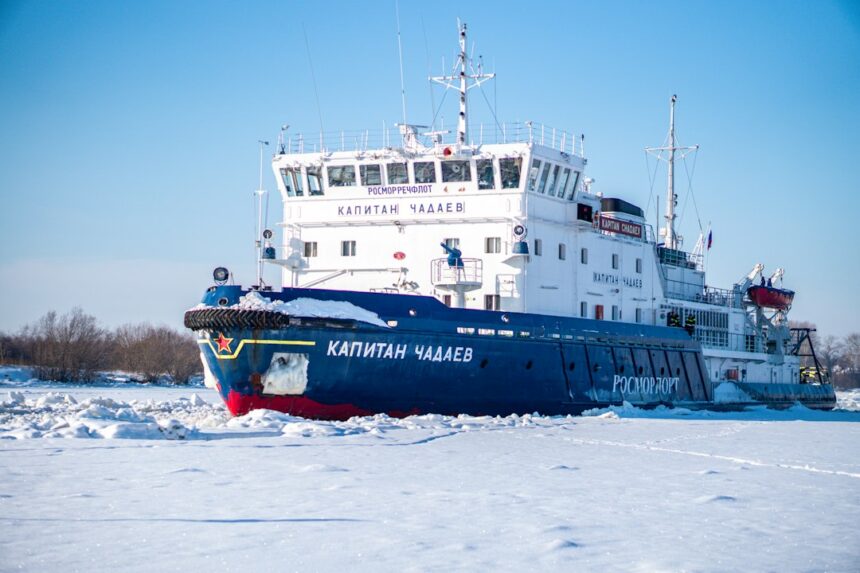
Russia has proposed a new export levy aimed at raising over RUB200 billion (approximately $2.35 billion) for the development of nuclear icebreakers. This initiative is part of a draft decree from the Russian transport ministry, which seeks to impose a shipbuilding charge of RUB20.07 per tonne on export cargo transported by 27 Russian companies operating under Russian flags.
Rationale Behind the Levy
The primary goal of this levy is to finance the construction of nuclear-powered icebreakers required to support and enhance shipping traffic along the Northern Sea Route (NSR). The NSR is becoming increasingly important as melting ice due to climate change is opening up new maritime pathways that facilitate trade between Asia and Europe.

Strategic Importance of Nuclear Icebreakers
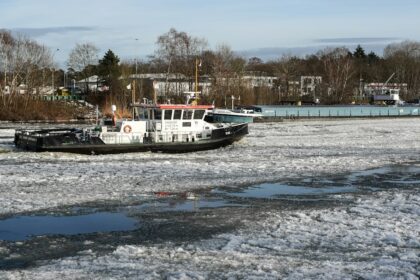
Nuclear icebreakers play a crucial role in ensuring year-round access through icy waters, which, in turn, opens potential for increased shipping volumes in the Arctic region. By investing in this advanced fleet, Russia aims to solidify its position as a major player in Arctic shipping, allowing it to handle higher cargo loads and improve the efficiency of export operations. The proposed levy reflects a strategic commitment to bolster infrastructure necessary for future maritime endeavors in this vital area.
Behind the Headline
This levy represents a significant development for the maritime industry, particularly for shipping operators reliant on the Northern Sea Route. As geopolitical interests in the Arctic intensify, operators must consider the financial implications of these new charges while assessing their operational viability. With climate patterns shifting sea routes, the investment in nuclear icebreakers not only aligns with the goals of enhanced navigability but also with longer-term sustainability initiatives. Stakeholders will be keenly observing potential impacts on freight rates and operational costs, and how these factors influence shipping patterns in the Arctic region.