The ongoing diesel supply crisis has escalated due to Russia’s decision to ban diesel exports until the end of 2026. This drastic measure is in response to a combination of drone attacks disrupting refining operations and increased geopolitical tensions in the Middle East, particularly in the Strait of Hormuz. The ban marks a significant shift for Russia, a country that typically maintains a surplus in diesel exports.
Current Disruptions
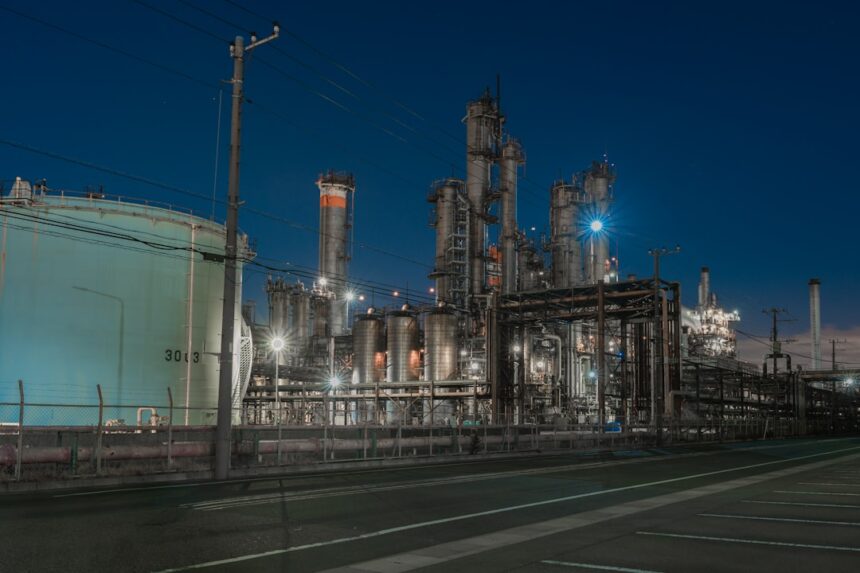
As of June, Russian refinery throughput had fallen to just 3.8 million barrels per day (mbpd), significantly lower than historical levels. The combination of input supply constraints stemming from Middle East tensions, particularly the closure of the Strait of Hormuz, and sustained Ukrainian drone strikes on key Russian refineries has created a perfect storm, adversely affecting refinery runs globally. According to Drewry Maritime Research, the refined products sector has been under pressure, resulting in lower runs in the first half of 2026 compared to previous years.
Impact on Supply Chains
The ramifications of this crisis extend beyond Russia. The severe decrease in diesel availability is expected to heighten competition for supply across the Mediterranean and Atlantic basins, exacerbated by limited exports from Gulf regions. As Russian refined product loadings fell by 67% month-on-month in July, significant disruptions in trade flows have emerged. Countries that typically receive Russian diesel, including Turkey, Brazil, and those in West and North Africa, may need to seek alternative suppliers, further straining the global market.

Moscow’s proactive steps in restricting gasoline and jet fuel exports, alongside the consideration of motor fuel imports, underscore the urgent domestic supply challenges. By turning to other markets, such as discussions with India’s Vadinar refinery, Russia is attempting to mitigate shortages of refined products that its domestic market heavily relies upon.
The Operational Read
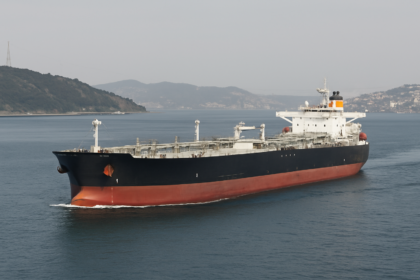
The operational implications of Russia’s diesel ban are significant for global shipping and refining markets. As refined product trade volumes decrease due to supply disruptions in two key exporting regions, product tanker demand is likely to diminish, resulting in weaker freight rates. Operators will need to navigate a more competitive landscape as countries like Turkey and South Africa compete for limited diesel supplies. Monitoring Russia’s refining recovery and the geopolitical situation in the Middle East will be critical, as these factors influence market dynamics and operational strategies for stakeholders across the maritime supply chain.