Update 24 Jul 2026, 22:36 UTC:
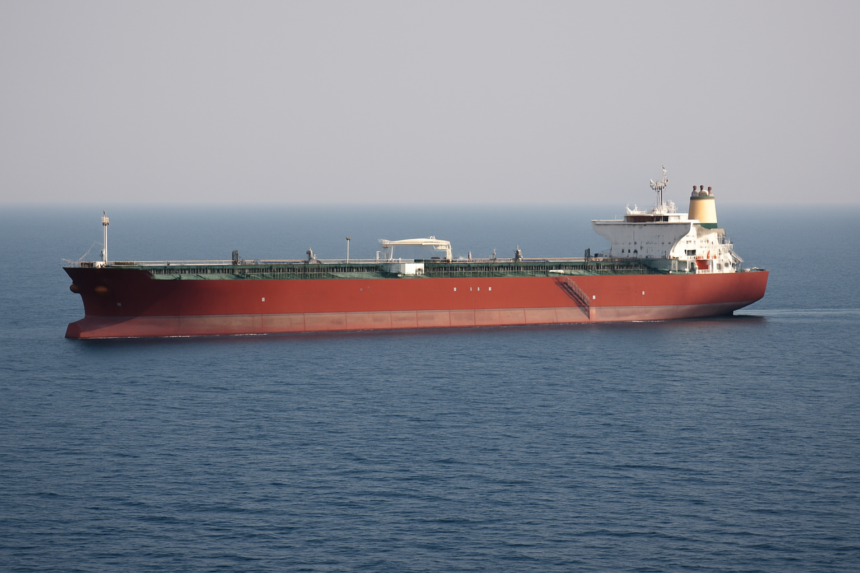
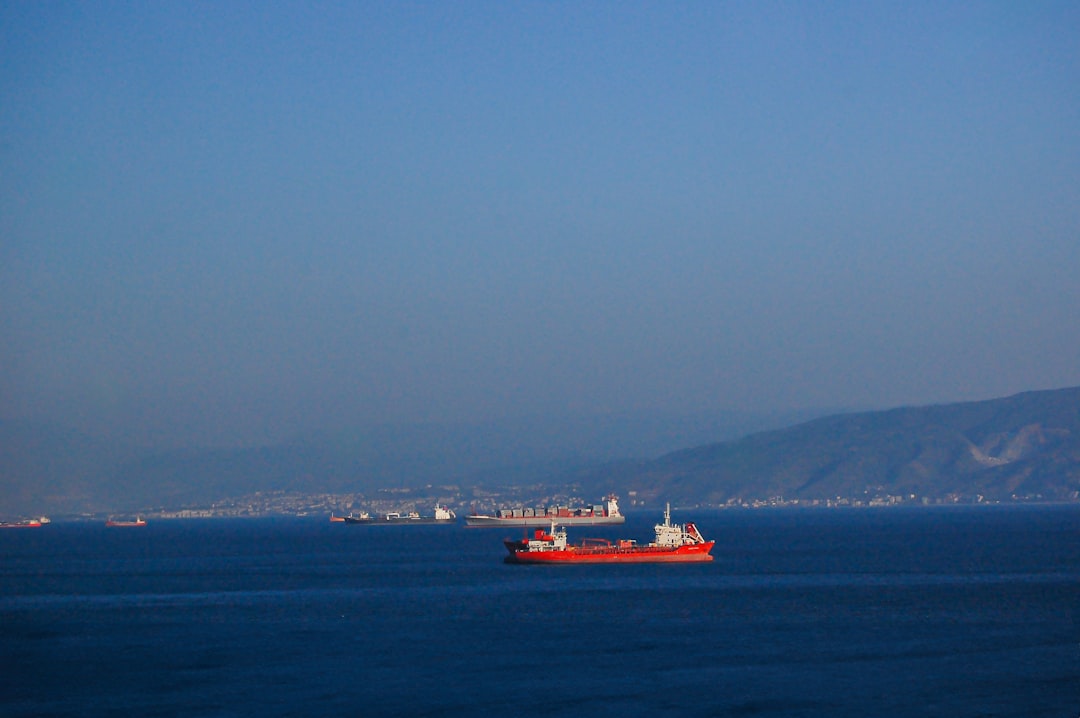
The Red Sea conflict intensified this week as Yemen’s Houthi rebels struck two Saudi oil tankers, further complicating regional tensions and maritime logistics in an area already stressed by the ongoing complications in the Strait of Hormuz. This development marks the first time strikes have directly impacted Saudi oil shipping since hostilities escalated previously. Following the attacks, U.S. officials conveyed their commitment to military response for threats against commercial vessels, while discussing the prospect of charging Iran for damages to affected shipping operations.
Market Reaction
The tension surrounding these maritime routes has had immediate repercussions on global oil prices. Brent crude crossed the USD 100 threshold for the first time since May, closing at USD 97.63 by Friday. West Texas Intermediate (WTI) also experienced gains, near USD 89.77, driven primarily by fears of supply disruptions in a geopolitically fragile landscape. This surge comes amidst a broader backdrop where ongoing conflict-related concerns have continuously affected oil shipments in the region.

Broader Implications for Shipping Routes
The risks to shipping are palpable, as recent attacks have prompted Asian firms to adjust their procurement strategies. Operators are beginning to explore alternative routing through the Suez Canal and the Cape of Good Hope—historically significant routes that may now gain renewed relevance. This shift not only complicates logistics but could also elevate freight rates and extend delivery timelines, thereby impacting the global supply chain dynamics.
Meanwhile, the Baltic Dry Index reflects the shifting market landscape and has reported a notable decline, falling more than six percent as demand for Capesize vessels wanes. This drop indicates a recalibration in the dry bulk market as vessel availability improves, and demand for key commodities such as iron ore and coal softens.
The Operational Read
The escalation in hostilities in the Red Sea opens new operational challenges for shipping companies. Operators must now consider the geopolitical risks alongside traditional market factors when planning routes and securing cargoes. The potential for higher war-risk premiums looms, warranting increased vigilance in logistics and fleet management. For charterers and traders, the uncertainty complicates contract negotiations and pricing strategies, especially if the situation deteriorates further. Monitoring the actions of regional players, especially Iran and U.S. forces, will be critical in anticipating moves that may shape the operational landscape in the coming weeks.