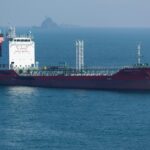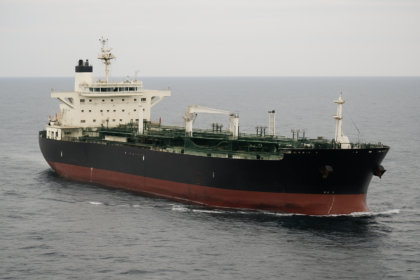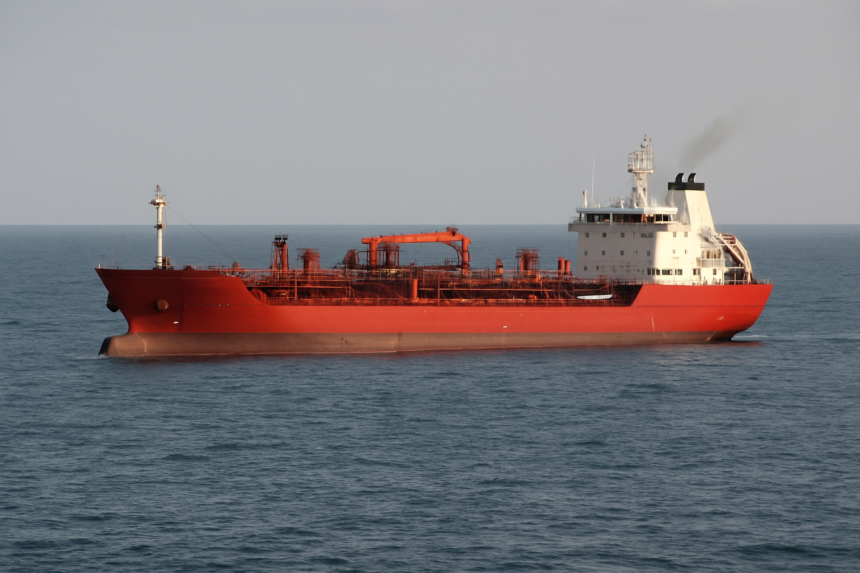
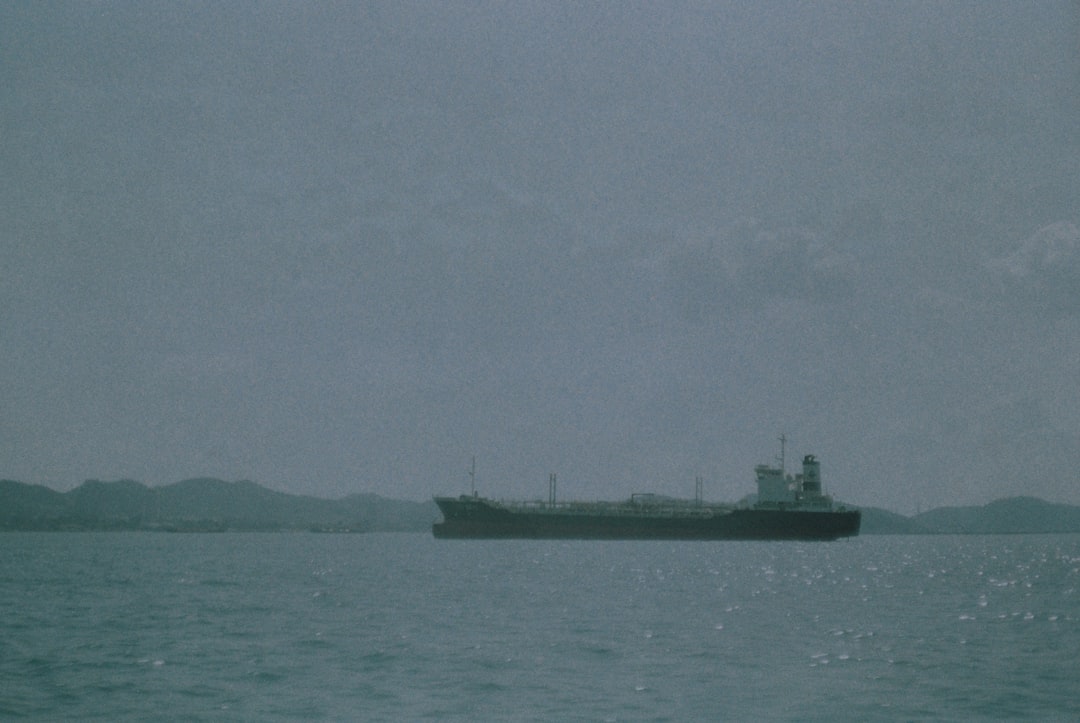
On July 17, armed assailants reportedly seized the chemical tanker Asana off the southern coast of Yemen in the Gulf of Aden. Maritime security sources have indicated that the assailants may be connected to Somali piracy, elevating concerns over region-specific threats to commercial shipping.
The Incident
The Asana, which was charted to reach the Somali port of Bosaso, issued a distress signal around 0620 GMT, according to the British naval agency UKMTO. Ship tracking data revealed the vessel did not have a confirmed flag and lacked an armed security detail during transit. This absence likely heightened its vulnerability to piracy, a notable risk in the waters surrounding Yemen, particularly given the recent resurgence of piracy incidents linked to Somali groups.
The European Union’s Aspides naval mission, active in the Red Sea and Gulf of Aden, has initiated efforts to assist the Asana and ascertain the specifics surrounding the boarding event. Although details regarding the number of attackers and the condition of the crew remain ambiguous, maritime risk management group Ambrey has suggested that the assailants are likely affiliated with an organized pirate action group.

Market Impact
The seizure of the Asana can exacerbate operational challenges faced by shipping companies transiting the Gulf of Aden, particularly in light of existing geopolitical tensions. This region has seen a revival of piracy activities following a period of relative calm, with the operational dynamics potentially altering shipping routes and impacting transit times and costs.
Moreover, as shipping operators reassess security protocols, including the implementation of armed escorts, there is the potential for increased operating costs. Insurance premiums in the area are likely to rise, particularly as risk assessments are recalibrated in response to this incident. The maritime security landscape remains tenuous, and operators are advised to stay apprised of changing conditions.
The Operational Read
The boarding of the Asana highlights the persistent threat of piracy in the Gulf of Aden, prompting a reevaluation of threat assessments for vessels operating in these waters. Operators must consider enhanced security measures, including armed escorts or alternative routing, to mitigate risks. With the current geopolitical climate potentially amplifying maritime threats, vigilance and preparedness will be critical for crews and charterers alike. Monitoring the evolving situation will be essential for understanding its implications on shipping logistics and regional stability.