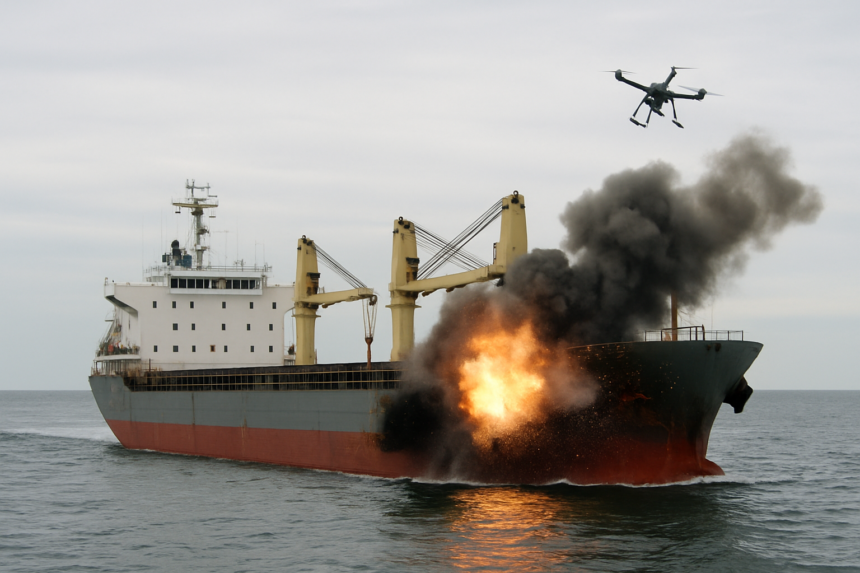
On Saturday, Iran executed a drone attack aimed at Bahrain, coinciding with an escalation of hostilities in the Strait of Hormuz where a commercial vessel was reportedly attacked. These developments follow recent U.S. airstrikes targeting Iranian military sites, marking a significant increase in geopolitical tensions in the Gulf region.

Bahrain’s Foreign Ministry condemned the drone assault, terming it a ‘flagrant threat to the security of citizens and residents.’ The attack occurred shortly after Bahrain hosted a Gulf Cooperation Council foreign ministers meeting, with U.S. Secretary of State Marco Rubio in attendance. The assembly concluded with calls for an end to Iranian aggressions and a reassertion of the Strait of Hormuz’s status as an international waterway.
Recent Hostilities
The Iranian Islamic Revolutionary Guard Corps claimed responsibility for the strikes, which reportedly targeted multiple locations associated with U.S. military influence in the region. U.S. officials have expressed that this latest attack violates a previously established ceasefire agreement. This situation is further complicated by U.S. Vice President JD Vance’s warning to Iran, emphasizing that further acts of violence would lead to decisive military responses.


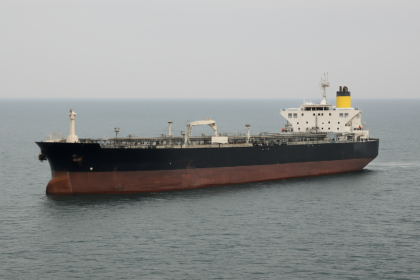
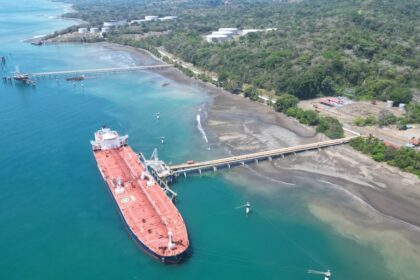
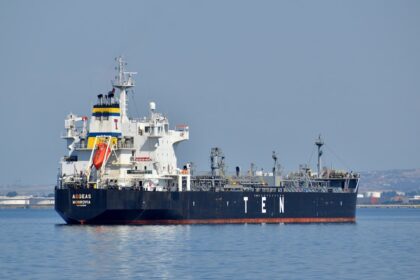
In a separate incident, the United Kingdom Maritime Trade Operations (UKMTO) confirmed that a tanker came under attack in the Strait of Hormuz. Fortunately, the crew remained unharmed, and no pollution or environmental damage was reported. However, the lack of immediate accountability for these attacks continues to elevate concerns among shipping operators in the region.
Shipping Corridor Adjustments
In light of the persistent threats to maritime operations, the U.S. Navy-backed Joint Maritime Information Center has announced an expansion to shipping corridors near Oman, designed to facilitate two-way traffic in these strategic waterways. However, they have also issued a warning regarding significant threats posed to commercial shipping, urging mariners to stay vigilant amidst ongoing naval mine clearance operations.
Amidst these tensions, Iran has reiterated its demands for vessels transiting the Strait to adhere to its directives and has proposed imposing transit fees, a controversial move opposed by the U.S. and Gulf Arab states. Despite passing through Iranian territorial waters, they continue to assert that the Strait must remain open to international navigation.
Meanwhile, ongoing negotiations between the U.S. and Iran seek to address key issues, including freedom of navigation and Iran’s enriched uranium stockpiles within a 60-day interim framework.
The Operational Read
The intensification of military actions and rhetoric in the Gulf region significantly impacts operational strategies for maritime stakeholders. Shipping operators must navigate heightened risks, including potential threats to vessels and changing dynamics regarding insurance premiums and freight rates. The recent attacks underscore the crucial need for effective risk management and contingency planning, especially for transits through the Strait of Hormuz, where vessels may encounter military operations. Continued vigilance and strategic coordination with naval authorities will be paramount for ensuring safe passage in a region fraught with geopolitical complexities.