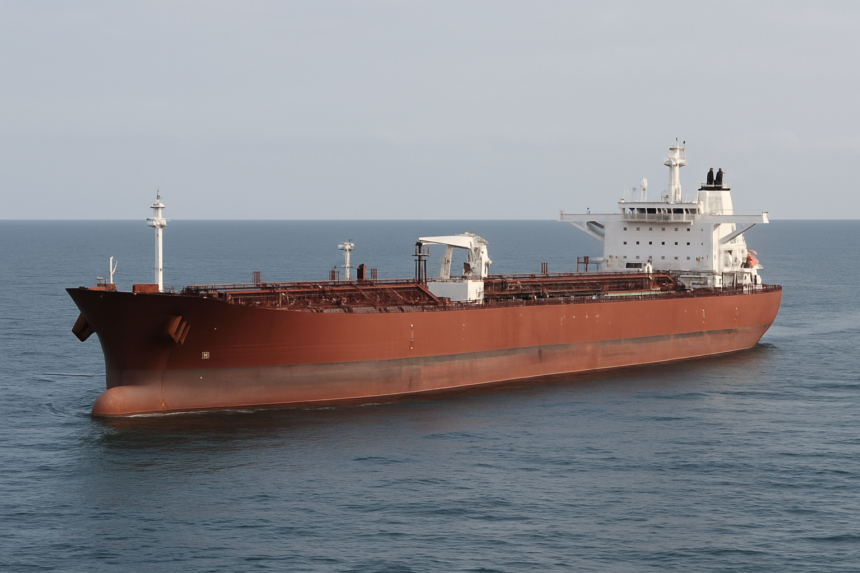
The recent naval blockade announced by Houthi forces against Saudi Arabia on July 20 has triggered a substantial shift in marine traffic within the Red Sea. Vessel operators are showing a marked retreat from the Bab al-Mandeb Strait, which is critical for global commerce, reflecting heightened security concerns in the region.
The Reversal of Commercial Flows
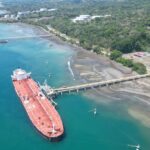
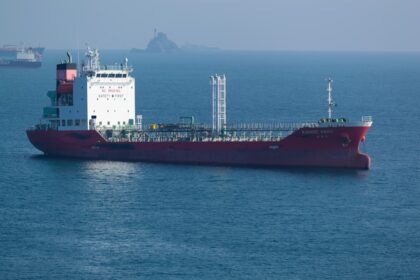
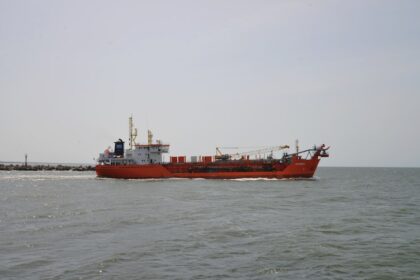
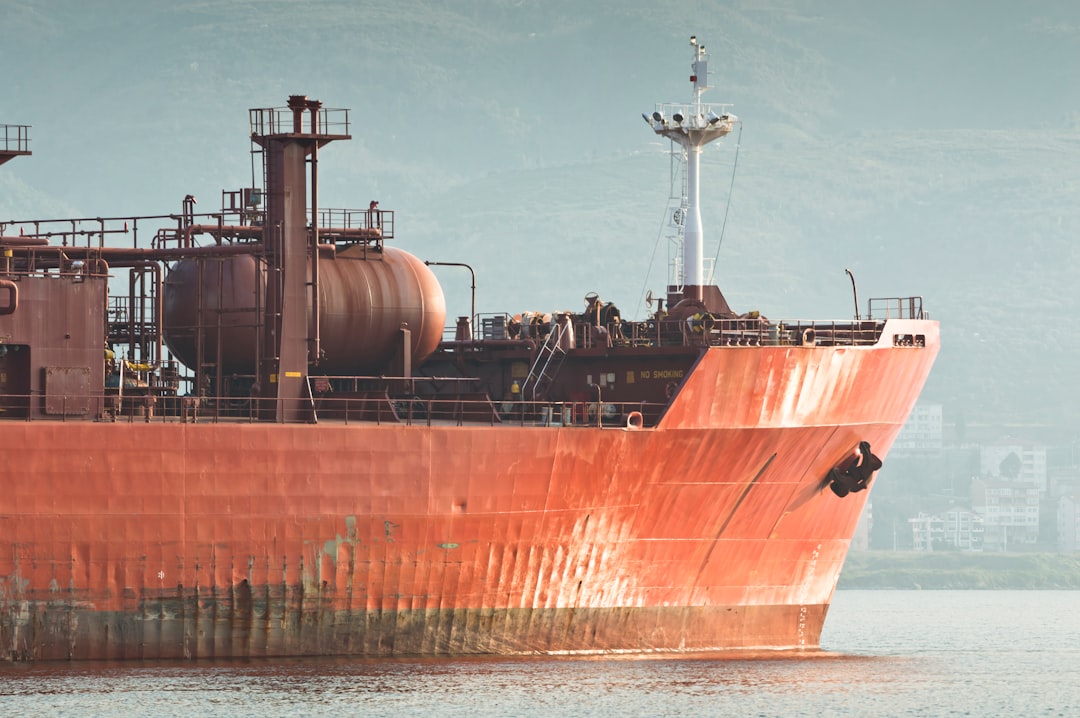
Following the blockade declaration, Windward reported that five commercial tankers, including those carrying Saudi-origin cargo such as crude, gasoil, and naphtha, reversed their courses. These vessels together contained approximately 3.84 million barrels of oil. The diversions from both of Saudi Arabia’s western export terminals, Yanbu and Jizan, signify a broader trend of risk-avoidance by operators, rather than a reaction to a single buyer or terminal. Notably, the VLCC Xin Long Yang, flagged in Singapore and managed by Cosco Shipping Energy, also changed its intended route in response to Houthi threats.
The recent trends demonstrate a significant imbalance in vessel movements. On July 20, Windward tracked 26 vessels entering the Red Sea compared to only 17 vessels departing, a notable decrease from mid-July’s average. This divergence reflects growing commercial unease, particularly as operators begin to treat the entire region as a risk area, extending beyond just the Red Sea.

Impact of Voyage Economics
The decision to avoid potentially dangerous routes, particularly around Bab al-Mandeb, has considerable economic implications. Operators face a daunting choice: maintain traditional routes, risking vessels and crews, or divert around the Cape of Good Hope, which can double the journey and add an estimated additional cost of $2–2.5 million per transit. Such financial burdens call into question the feasibility of operating in the region amid escalating risks.
Compounding these challenges is a pattern of activity observed from Iranian-flagged vessels. One such vessel recently entered Yemen’s exclusive economic zone, its entry occurring just a day after the Houthi declaration. This is the first instance of activity noted in the Red Sea by such a vessel, raising questions about potential Iran-Houthi cooperation in the face of growing scrutiny and shifting market dynamics.
The Operational Read
The current situation in the Red Sea poses serious implications for shipping operators, charterers, and other stakeholders. The fluctuating flows of commercial traffic reveal a climate of uncertainty, where safety and economics remain at odds. As operators weigh the risks of navigating through potentially hostile zones, reevaluating routes becomes critical. The possibility of increased militarization and further escalations in the region could lead to a more entrenched state of risk-avoidance. Operators must remain vigilant and adjust their operational strategies accordingly, while monitoring developments in both the Red Sea and the Strait of Hormuz, as tensions continue to shape maritime activities in the region.