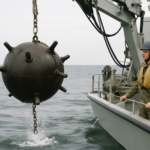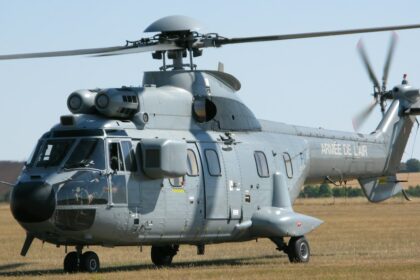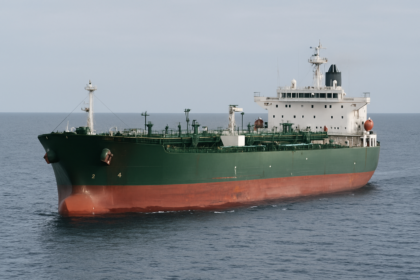
The Royal Navy has deployed a new underwater mine disposal system aboard RFA Lyme Bay as part of efforts to prepare for mine-clearance operations in the Strait of Hormuz. Coordinated with France, the mission aims to clear naval mines once a political agreement restores the freedom of navigation through this vital maritime chokepoint.
The decision to deploy the RFA Lyme Bay underscores the growing recognition among military planners regarding the risks posed by naval mines, which many in the shipping sector cite as a primary barrier to reopening the strait. Currently, preparations for a multinational effort involving up to 15 countries are underway, which will commence once U.S. and Iranian authorities reach a diplomatic consensus.
Technology Advancements
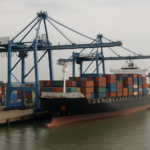
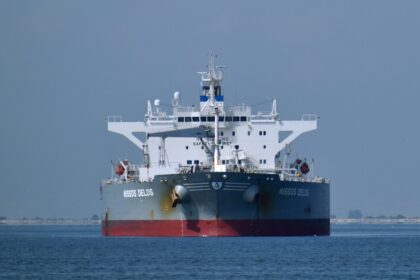
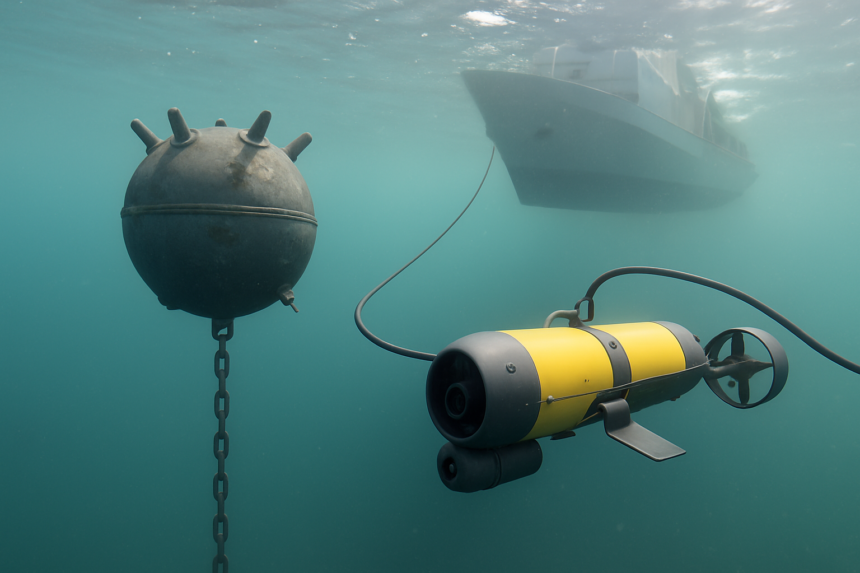
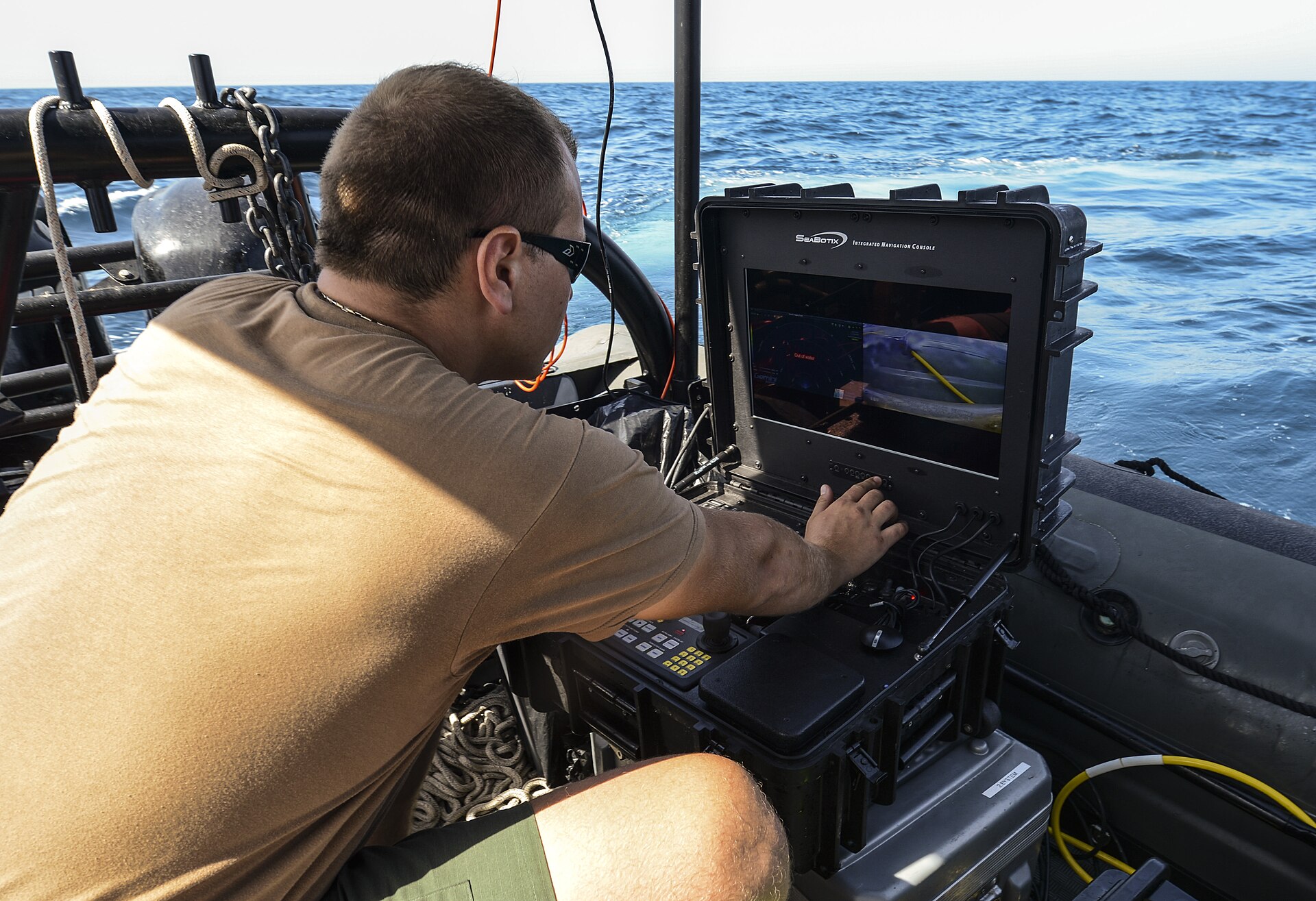
Cargo traffic in the Strait of Hormuz is crucial, accounting for a significant share of global oil transport. Consequently, the mine-clearance mission is not only strategic but also an operational necessity. The RFA Lyme Bay, which departed Gibraltar last month, is equipped with advanced mine-hunting technologies, including the Video Ray Defender-Viper system. This remotely operated vehicle is designed to locate, identify, and neutralize underwater mines.

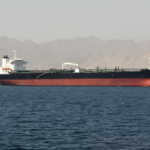
The Defender system features an attachment mechanism that can secure an explosive charge to a mine, allowing for detonation from a safe distance. This technology is particularly effective against buoyant mines, which pose a significant risk to passing vessels. As Lieutenant Commander James Carpenter of Delta Squadron emphasized, utilizing remote technology aligns with explosive ordnance disposal best practices, ensuring the safety of personnel involved in these operations.
Challenges Ahead
Despite the military preparations, there are significant concerns regarding the resumption of commercial shipping operations through the Strait. Over three months into ongoing regional tensions, vessel transit has decreased dramatically as owners, charterers, and insurers navigate a landscape fraught with risks — ranging from mines to missile threats.
Iran has expressed openness to being involved in mine-clearance efforts; however, British and French officials remain cautious. They prefer to maintain control through the multinational coalition, reflecting skepticism about Iran’s role in such operations. The delicate balance of power in the region, coupled with ongoing conflicts, continues to define the operational realities faced by shipping entities.
The Operational Read
The deployment of the RFA Lyme Bay and the planned multinational mine-clearing operations represent a critical shift in the strategic landscape of the Strait of Hormuz. For international operators, the focus will now shift toward the efficacy of these military efforts in creating a safer navigational environment. The integration of advanced technologies such as the Defender-Viper system not only enhances operational capability but also serves as a reassurance to stakeholders in the shipping industry. However, even successful mine clearance may not guarantee an immediate return to normal traffic levels, as lingering geopolitical tensions and past incidents have instilled caution among shipping companies. Monitoring the responsiveness of shipping traffic once military operations commence will be crucial for assessing the broader implications of this situation.