Update 16 Jul 2026, 22:34 UTC:
Amid ongoing armed clashes between the United States and Iran, global shipping companies are increasingly opting to forgo transits through the Strait of Hormuz due to escalated security concerns and a lack of confidence in U.S. military escort assurances. According to a report from Reuters on July 15, some firms are hesitant to utilize the U.S. military-supported transit system as tensions in the region rise.
Heightened Risks and Military Measures
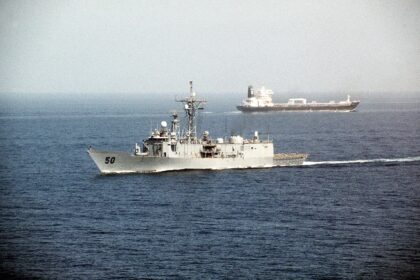
Since June, the U.S. military has been deploying aerial and maritime drones, helicopters, and other assets to support vessels transiting the Strait of Hormuz, aiming to secure the flow of energy exports from the Gulf region. An anonymous official from the U.S. Ministry of National Defense indicated that over 100 ships coordinated with U.S. forces for safe passage in just the past week, with more than 300 vessels traversing the area overall. Despite these efforts, recent developments have complicated the operational environment.

Industry Response and Security Concerns
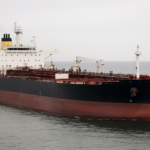
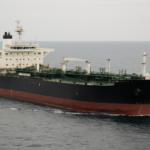
The Joint Maritime Information Center (JMIC), led by U.S. military, upgraded the risk level for vessel operations in the Strait, moving from a ‘Substantial’ designation to ‘Severe’ due to recent incidents involving the Islamic Revolutionary Guard Corps (IRGC) attacking two large crude carriers from the UAE. Furthermore, the International Maritime Organization (IMO) reported that five vessels associated with U.S.-supported routes were attacked in Omani waters since July 7, raising additional alarms about the safety of shipping operations in the region.
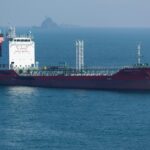
As a result, several shipping companies have decided to suspend operations in the Strait of Hormuz. One industry official noted that the United States appears unable to manage the escalating security situation effectively. Another suggested that while U.S. officials claim the strait remains ‘open,’ their assertions conflict with observable dangers that have prompted firms to reassess their operational strategies.
The Operational Read
The current instability in the Strait of Hormuz presents significant operational challenges for shipping companies, leading to a reevaluation of transit options among carriers. The U.S. military’s efforts to provide escorts are juxtaposed against a backdrop of increasing IRGC activity, which not only complicates logistics but also elevates risk management concerns. Operators must weigh the potential for delays, increased insurance costs, and operational interruptions against the backdrop of a U.S. commitment to maintaining safe passage. The ongoing conflict must be monitored closely, as a shift in strategy or further escalations could profoundly impact shipping routes and energy supply chains globally.