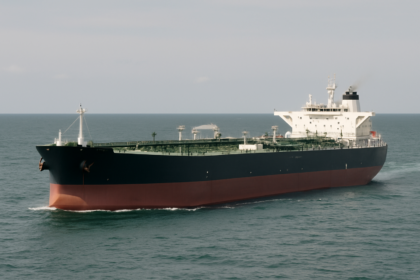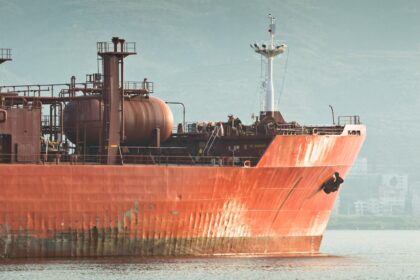
The latest global analysis from satellite-monitoring organization SkyTruth indicates that ships are linked to the vast majority of chronic oil pollution in the world’s oceans. The report estimates that approximately 1.58 million square kilometers of ocean surface experiences oil slick coverage annually, with a staggering 90% of these incidents occurring within national territorial waters, frequently near coastlines.
The Findings
According to the SkyTruth study, the chronic presence of oil slicks poses significant risks to marine ecosystems, fisheries, and coastal communities. The data derived from satellite monitoring highlights a pressing environmental issue that persists despite existing maritime regulations. The prevalence of oil slicks is particularly concerning in areas where shipping activity is high, suggesting a potential correlation between vessel operations and marine pollution.
Environmental Impact
Oil pollution not only disrupts marine life but also jeopardizes the livelihoods of those dependent on healthy ocean ecosystems. The findings call into question the effectiveness of current regulatory frameworks governing shipping practices, urging a reevaluation of enforcement measures aimed at reducing oil discharges into the sea.

Industry Response
The shipping industry may face increased scrutiny as stakeholders work to address this persistent issue. Operators and charterers will need to consider their practices, technological advancements, and compliance with environmental standards to mitigate their contribution to pollution. The implementation of dual-fuel systems and more stringent bunkering protocols could form part of the solution moving forward.
Behind the Headline
The operational implications of the SkyTruth findings are significant for ship operators. Chronic oil pollution from vessels can lead to increased regulatory oversight and the imposition of stricter penalties for non-compliance. As public and governmental pressure mounts to preserve marine environments, shipowners may need to invest in cleaner technologies and refine their operational protocols. The industry must stay vigilant to evolving regulations while tackling the reputational risks associated with environmental pollution.