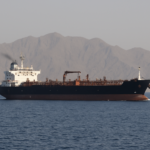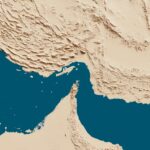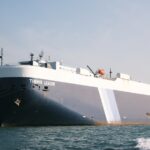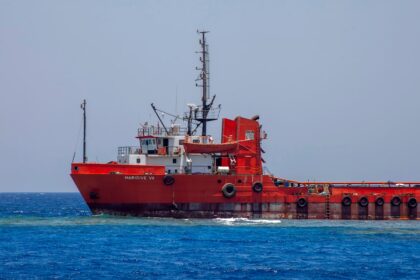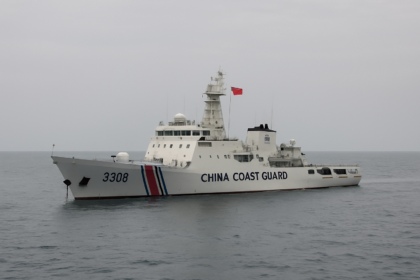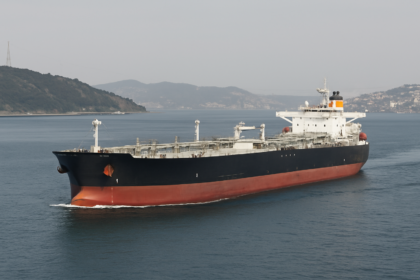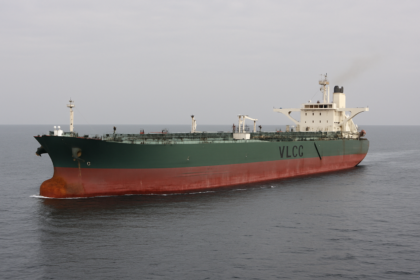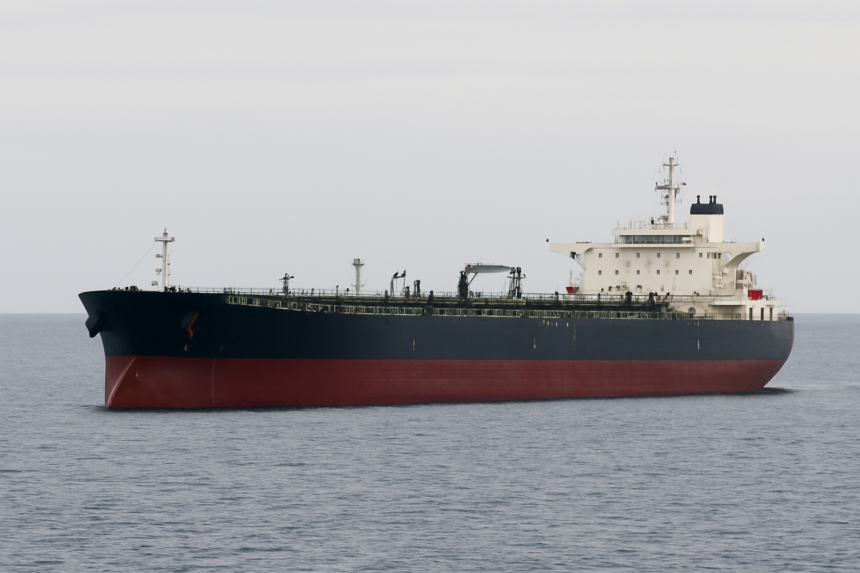
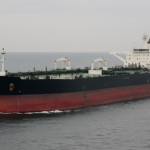
Iran has resumed crude oil loadings at its Kharg Island terminal, crucial for its export operations, following the lifting of a US Navy blockade that had persisted for approximately six weeks. According to ship tracking data, three very large crude carriers (VLCCs), each capable of transporting around 2 million barrels of crude, are currently moored at the terminal. This development indicates Iran’s push to re-establish its oil export capabilities in the wake of an interim deal with the United States.
Operational Resumption
Notably, satellite images from the European Union’s Sentinel-2 program captured two of the VLCCs already at berth on Saturday, with a third vessel recently approaching the jetty. This is a marked change from the satellite imagery observed on Friday, which showed the berths vacant. Since May 6, only a lone VLCC was seen at either of Kharg’s two jetties over half of the previous 44 days.
The Kharg Island facility is vital to Iran, responsible for approximately 90% of the country’s crude oil shipments. The resumption of loading activities not only signifies an increase in exports but also reinforces Iran’s position following the easing of geopolitical tensions.

Implications for Shipping Routes
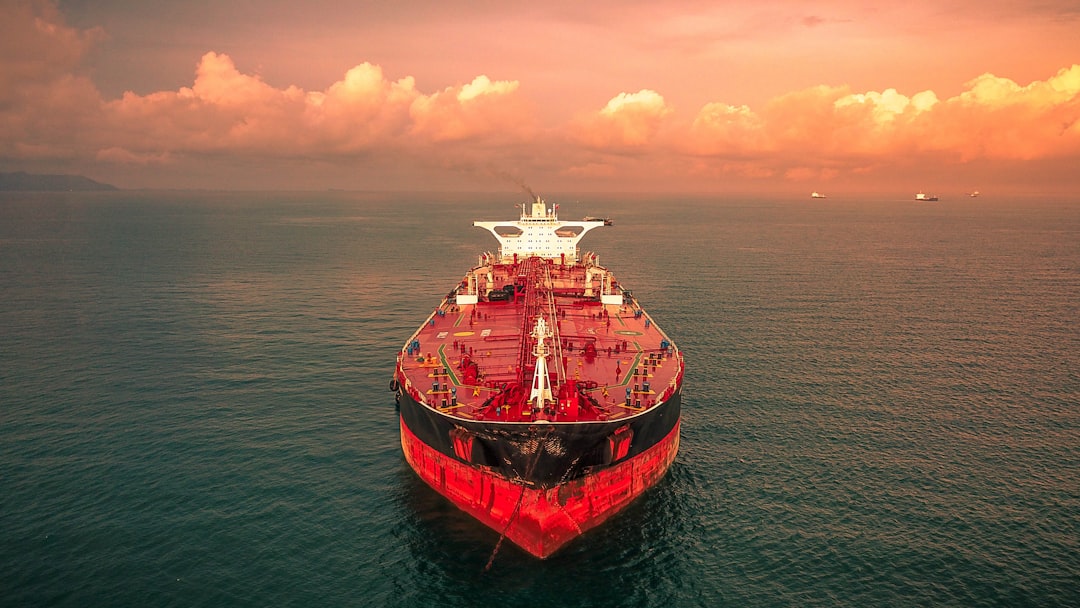
Following the easing of tensions, Iran managed to export around 20 million barrels of crude oil utilizing tankers that had been anchored off the port of Chabahar, located near the Iranian border with Pakistan. In a significant move, some of the tankers anchored at Kharg are now transitioning towards Hormuz, with VLCCs already observed approaching Lavan Island in the southern Gulf. Currently, at least 20 additional tankers are anchored east of Kharg, indicating a readiness to export even more crude oil in the near term.
The Operational Read
The operational landscape for shipping in and around the Strait of Hormuz remains tense. While Iran’s ability to resume oil loadings may signal a brief relief for its energy sector, operators are still cautious due to lingering safety concerns. The presence of multiple tankers queued for loading suggests that Iran is poised to capitalize on any further market openings. However, the strategic chokepoint will likely remain a focus for international shipping companies weighing the potential risks against the benefits of engaging with Iranian markets. Observers in the industry will be closely monitoring the situation, looking for indications of whether tensions will affect shipping insurance rates and transit decisions in the coming months.