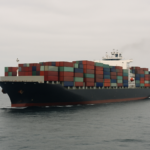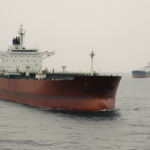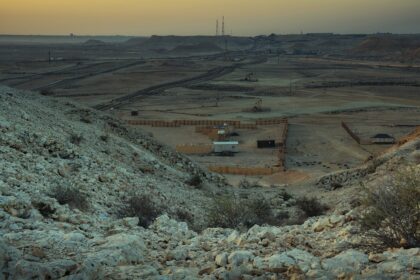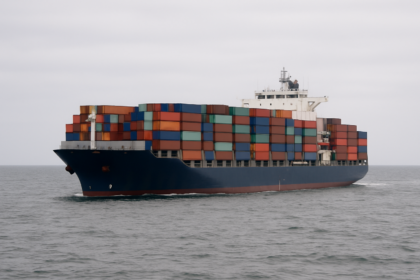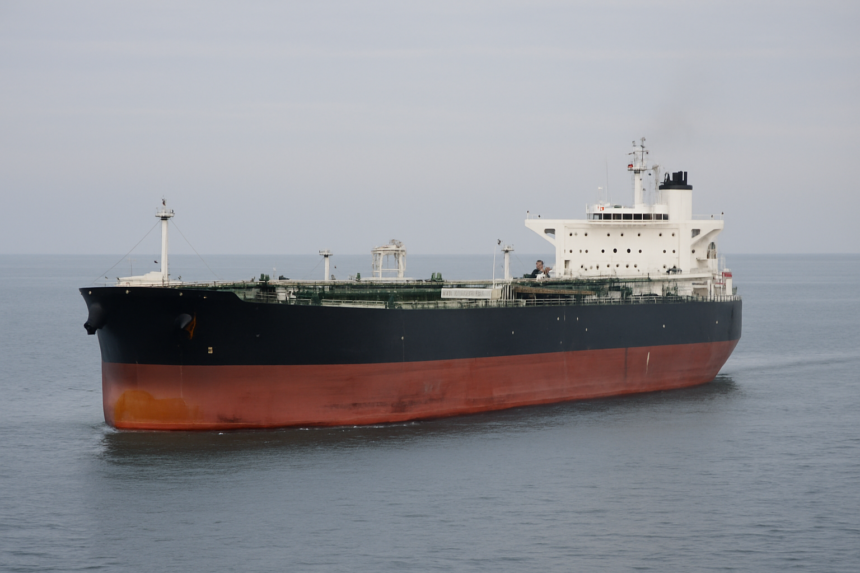
Oil tanker traffic through the Strait of Hormuz has reached near standstill levels, reflecting heightened shipping risks following recent military actions between the U.S. and Iran. As of Thursday, only two tankers have successfully transited the critical waterway, underscoring the industry’s escalating concerns about navigating this vital maritime chokepoint.
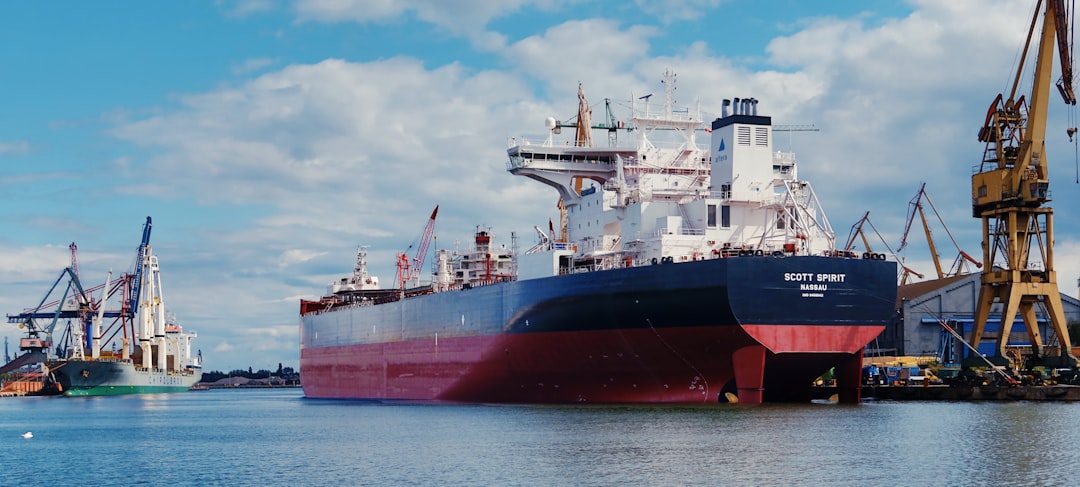
The Current Situation
In the early hours of Thursday, the crude supertanker Berg 1, which loaded at Iran’s Kharg Island and is under U.S. sanctions, and the Marshall Islands-flagged chemical tanker Well Sail, which previously loaded near Sharjah, UAE, managed to pass through the strait. This development comes amid a backdrop of intensified hostilities, as the U.S. has renewed airstrikes on Iran, prompting retaliatory actions by Iranian forces in the Gulf. According to data from Kpler, the situation has resulted in a sharp decline in traffic, with sources noting that many vessels have opted to switch off their AIS transponders, complicating visibility of maritime movements.
Escalating Geopolitical Risks
The threat perception around the Strait of Hormuz deteriorated significantly following attacks on three tankers earlier this week, which the U.S. government attributed to Iranian forces. Iranian Revolutionary Guards have warned that any additional U.S. interventions would elicit a strong response, further destabilizing the tenuous truce that had existed for approximately three weeks. The strait, vital for global oil supplies, previously saw daily averages of 125 to 140 vessels before conflicts escalated on February 28, driven by U.S. and Israeli strikes targeting Iranian assets.

Currently, daily transit rates have fallen to an average of only 40 ships, indicating a stark contraction in maritime activity. The ramifications extend beyond immediate shipping schedules. Insurance underwriters are re-evaluating risks, with reports indicating some counsel to halt voyages through the strait due to the renewed threat levels.
Vessels Impacted
The Al Rekayyat, a Marshall Islands-flagged LNG tanker, remains stranded off Oman after sustaining damage following a projectile strike on its engine room. The situation has raised safety concerns, though industry sources suggest the risk of a catastrophic failure remains low at present. The vessel’s cargo of liquefied natural gas is reportedly secure, alleviating some anxiety regarding environmental impacts.
Marine war underwriters have begun preparing for potential severe inventory losses as risks associated with high-value vessels have become increasingly pronounced due to recent conflicts. This has led brokers, such as Clarksons, to reassess the feasibility of a progressive reopening of the strait, calling the current state of the market fragile.
The Operational Read
The recent surge in hostilities in the Gulf illustrates the precarious balance operators must maintain when navigating through the Strait of Hormuz. The operational environment has been significantly altered, with many companies likely opting for a heightened precautionary stance. For crews and charterers, assessing risk will be paramount. The unpredictability of military operations raises critical discussions around rerouting and emergency protocols. As the situation evolves, operators must monitor developments closely to adapt to changes in risk profiles and insurance terms while maintaining maritime safety in a vital corridor for global oil transport.