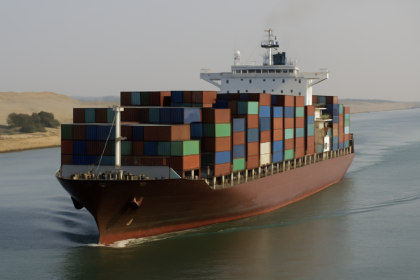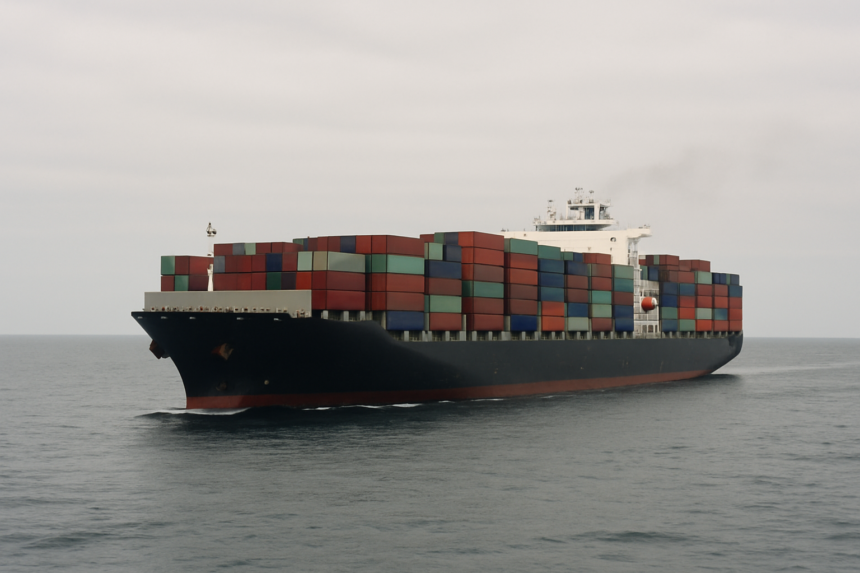
Maersk has announced the resumption of its MECL service transiting the Suez Canal, providing a vital connection linking India, the Middle East, and the U.S. East Coast. This development follows an earlier successful Red Sea transit of the Majestic Maersk and is part of Maersk’s ongoing efforts to restore services after extensive disruptions caused by heightened security risks in the region over the last three years.
The Operational Return
The MECL service was previously suspended due to Houthi attacks on shipping, forcing operators to divert around the Cape of Good Hope. This reintroduction signifies a gradual return to normalcy, with Maersk highlighting that the average transit times for westbound trips will improve by approximately seven days, while eastbound voyages could see reductions of about 14 days compared to the alternative routing. The first scheduled eastbound sailing on this route is planned aboard the Maersk Chicago (voyage 624E), followed by the westbound Maersk Denver (voyage 627W).
Impact on the Shipping Network
The addition of an eastbound call at Jeddah will take effect starting in August, diversifying operational capabilities for Maersk and providing additional service options in the region. The revised movement will follow this eastern rotation: Charleston – Savannah – Houston – Norfolk – Newark – Tangier – Jeddah – Salalah – Mundra – Pipavav – Nhava Sheva. Troubling the overall operational horizon is the lingering threat posed by the Houthi conflict, which has targeted over 100 vessels since late 2023, emphasizing the precarious nature of shipping through this key maritime corridor.


The Operational Read
This cautious restoration of the MECL service illustrates the complex interplay of risk management and operational efficiency for maritime operators. With the Suez Canal functioning as a critical link in global supply chains, Maersk’s decision to resume services will likely attract interest but comes with notable risks. Shipping lines are advised to maintain vigilant monitoring of the security landscape, as the potential for escalation remains. Operators must remain prepared for rapid strategic adjustments should the operational environment deteriorate. Close attention to market dynamics in the Red Sea will be critical as shipping companies navigate these renewed challenges.