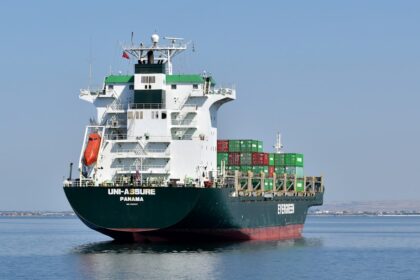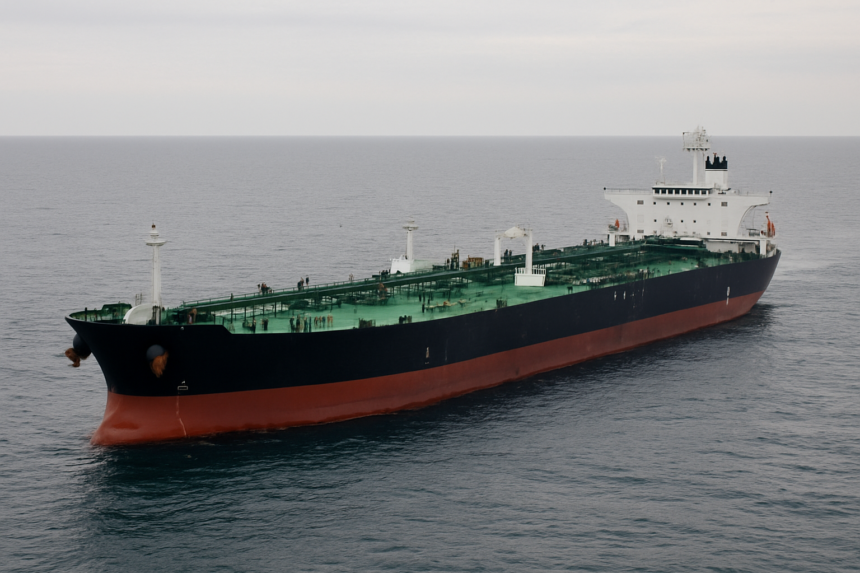
Contrary to claims from Iran of a closure in the Strait of Hormuz, significant oil traffic was observed over the weekend, with millions of barrels continuing to flow through this crucial maritime chokepoint.

The Transits Observed
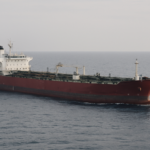
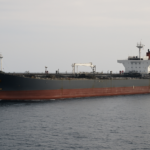
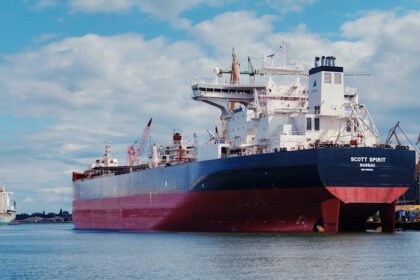
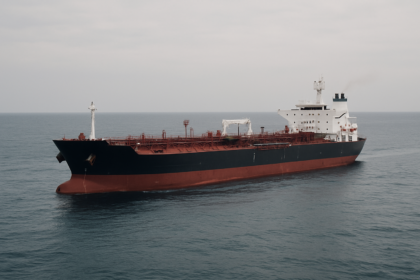
On Saturday and Sunday, at least five oil supertankers, with a combined capacity of 8 million barrels, were tracked entering or moving within the strait along a route closer to Oman’s coastline. Remarkably, one vessel resumed its automated signals after being temporarily ‘dark’ near the apex of the strait. Such movements offered further support to the U.S. military’s assertions that it can effectively defend navigation through the southern route, a claim that conflicts with Iran’s declarations of control over the strait.
Strategic Implications for Operators
The U.S. Central Command confirmed on Saturday that 17 million barrels had successfully crossed Hormuz, directly challenging Iranian media’s portrayal of a closed waterway. The operational tempo of vessels transiting the southern route allows shipping operations to continue, albeit amid caution given Iran’s insistence on control. A notice from naval-liaison services prior to Iran’s announcement indicated that vessels could safely navigate the Omani side at any hour while maintaining visibility.

Specific vessels such as the Gulf Sunrise, carrying substantial Saudi crude to Japan, managed to resume transmission of their location signals after initially disappearing from tracking screens. Other tankers, including the Angola B laden with Emirati crude, were also en route to the Gulf of Oman while navigating around tensions.
Market Response
This ongoing situation places shipping companies and oil traders in a precarious position as they navigate a potentially volatile operational environment. While the actual transit of tankers indicates an operational capability to proceed unaffected by Iranian claims, skepticism regarding overall safety and adherence to navigational protocols remains high. The ability for vessels to emit tracking signals even while traversing the Iranian coastline supports claims of an alternative route that carriers could leverage.
The Operational Read
The ongoing tensions in Hormuz highlight the complexity of maritime operations in politically volatile areas. Operators must stay abreast of vessel tracking data and regional developments as Iran asserts control over the strait while tankers continue to transit. This duality presents logistical challenges and necessitates robust risk management strategies for charterers and operators. Vigilance around safety protocols, possible escalation of conflict, and adherence to shifting regulatory dynamics will be critical moving forward as vessels seek secure passage in these contested waters.