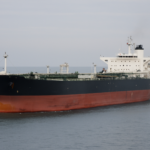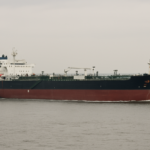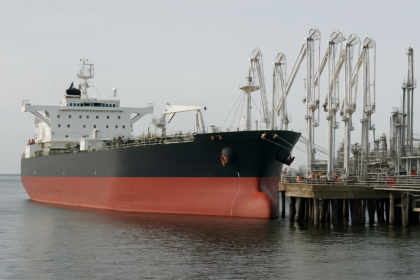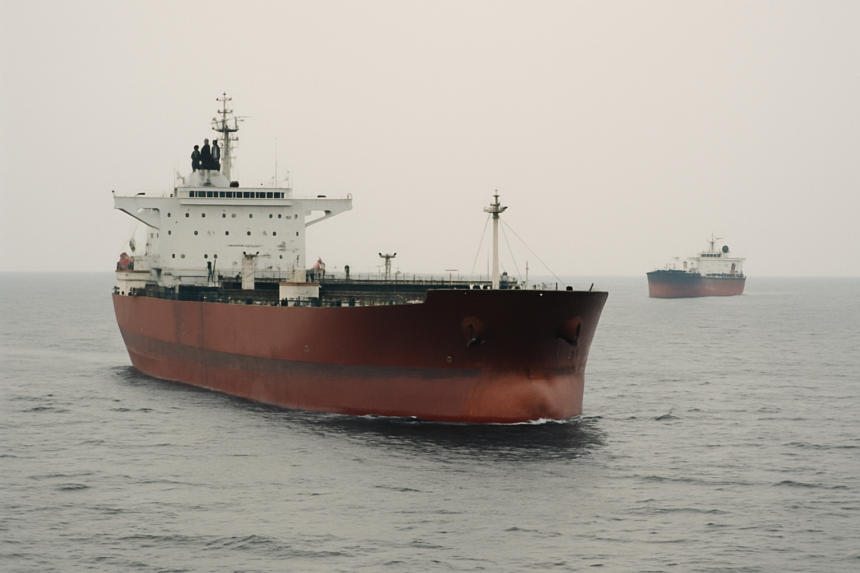
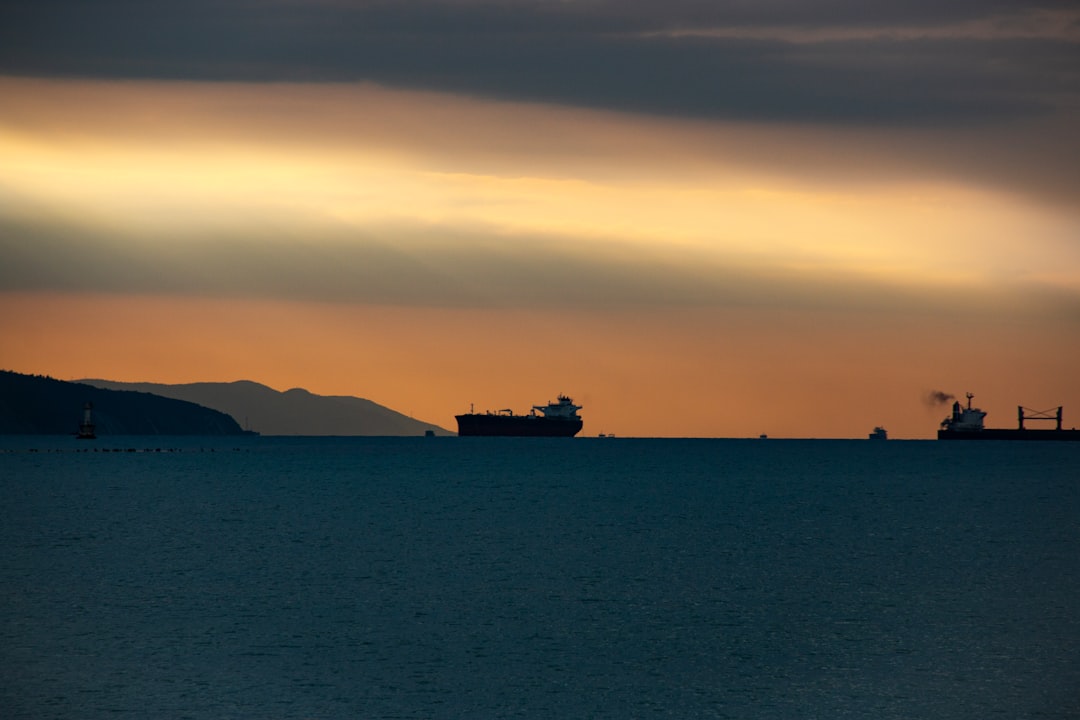
Ukraine has escalated its military operations by targeting 12 tankers in the Sea of Azov, aiming to disrupt fuel supplies to the Russian military and alleviate gasoline shortages within its borders. The assaults come as Kyiv enhances its strategy to target not only tankers but also oil refineries and fuel depots, as stated by the General Staff in a recent Telegram announcement.
The Incident
The strikes on the tankers, which are reported to have supplied fuel to both the Russian military and civilian sectors, reflect the ongoing conflict’s shift towards targeting critical energy supply lines. Yury Slyusar, the governor of the Rostov region, confirmed that two tankers were inflicted with mechanical damage in Taganrog Bay, with one catching fire before the blaze was extinguished. The accuracy of the reported number of affected vessels currently remains unverified by independent sources.
Market Impact
The ramifications of these attacks are poised to exacerbate an already severe gasoline shortage across Russia, particularly in the southern regions and Russian-occupied territories of Ukraine. The Kremlin has responded by imposing restrictions on gasoline, jet fuel, and diesel exports to secure local supplies amid rising domestic demand. This shortage is critically impacting logistics, democratic services, and other regional functionalities, leading to urgent appeals from several regional governors, including Igor Artamonov from Lipetsk, to major oil companies for increased fuel support.

Operator Response
Ukrainian forces have conducted multiple strikes targeting tankers and logistical routes heading toward Crimea, aimed at significantly choking fuel supplies to the region. This strategic focus indicates a clear operational priority for Ukraine to disrupt supply lines effectively, thereby affecting Russia’s military logistics and operational readiness. As regional governors appeal for urgent federal assistance, the operational landscape in southern Russia is under increasing strain.
The Operational Read
The continuing attacks on Russian tankers illustrate a critical operational dimension of the conflict, sending ripples throughout regional logistics and fuel supply networks. For operators, the focus must now be on rerouting strategies and securing alternative supply lines as the risk of strikes escalates. Monitoring developments in fuel supply and regional geopolitical responses will be essential, as the situation remains fluid. Stakeholders in maritime operations should remain vigilant regarding increased shipping risk in the Sea of Azov and surrounding waters as both sides navigate the intensifying conflict.