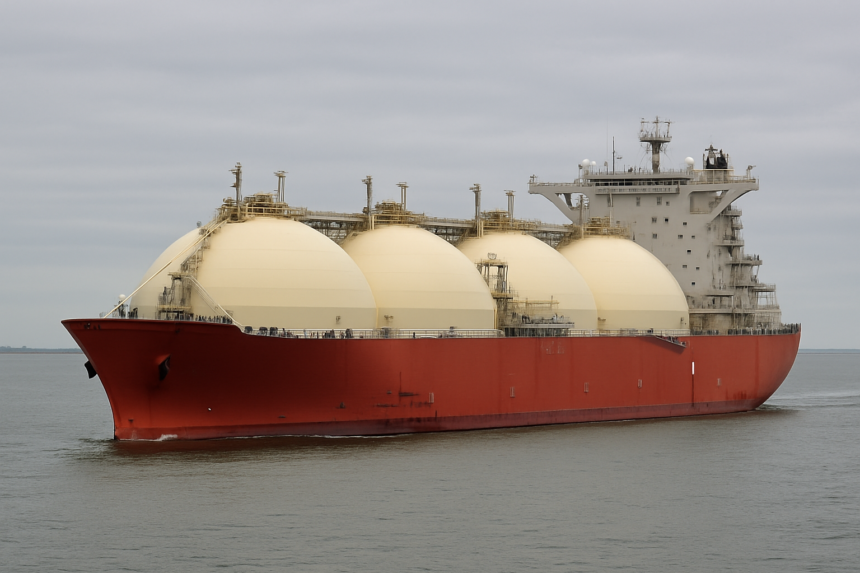
Japanese shipping company Kawasaki Kisen Kaisha (K Line) has initiated the construction of four LNG dual-fuel car carriers, targeting its operations in European short-sea automotive logistics. This order, placed with China Merchants Jinling Shipyard in Nanjing, highlights K Line’s strategic focus on enhancing its fleet’s operational efficiency while aligning with evolving environmental standards.
The Vessels
Each carrier will have a capacity to transport around 1,380 vehicles, making them well-suited for short-sea voyages, which are increasingly vital in the competitive automotive transport sector. These vessels will utilize dual-fuel technology, allowing them to operate on liquefied natural gas (LNG), a more environmentally friendly alternative to traditional marine fuels.
Industry Implications
The decision to expand with LNG-fuelled vessels is significant as the maritime industry faces mounting pressure to reduce greenhouse gas emissions. K Line’s investment reflects a proactive approach to meet both current and imminent regulatory requirements across European waters. This investment not only enhances K Line’s logistical capabilities but also sets a precedent for sustainability in maritime transport.

The Operational Read
The operational landscape is shifting as carriers like K Line invest in LNG dual-fuel technology to meet sustainability goals while maintaining competitive advantages in the global marketplace. Operators must consider the implications of this transition on existing infrastructure, such as bunkering facilities capable of supplying LNG. As the automotive sector increasingly demands sustainable logistics solutions, the uptake of LNG-fuelled carriers may prompt others in the industry to follow suit, potentially altering freight dynamics and shipping costs. Stakeholders should monitor how this development influences carrier operations and regulatory compliance moving forward.