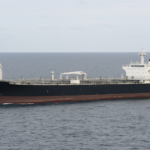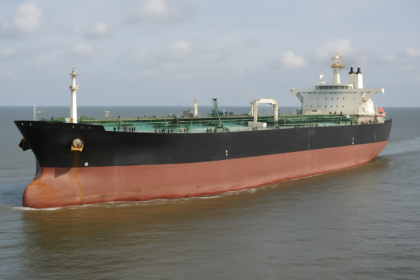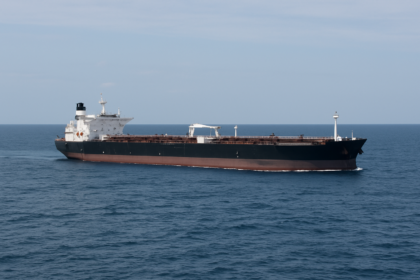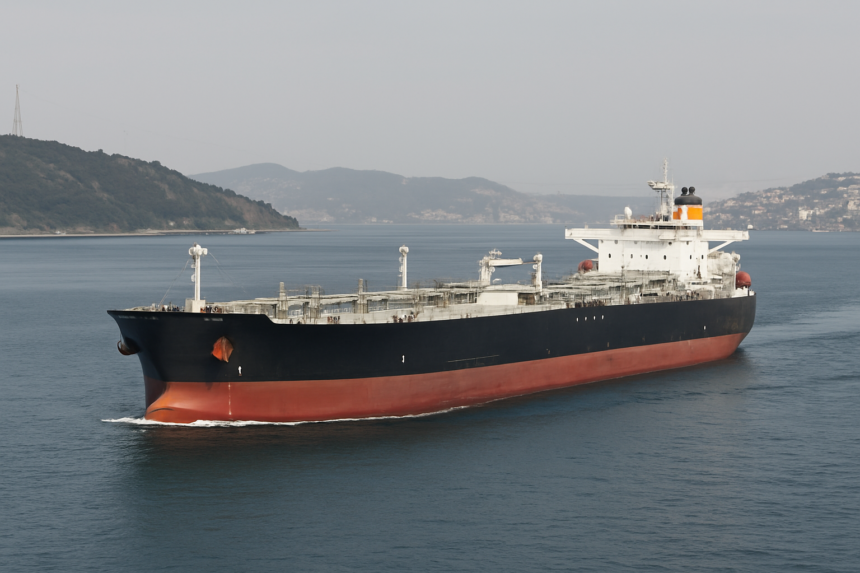
As tensions in the region show signs of easing, an uptick in maritime traffic through the Strait of Hormuz has been observed, with several tankers publicly broadcasting their movements. On Tuesday morning, seven vessels, including two fully-laden non-Iranian supertankers, were noted in the strait, indicating a renewed sense of confidence among shipowners about the safety of traversing this crucial waterway.
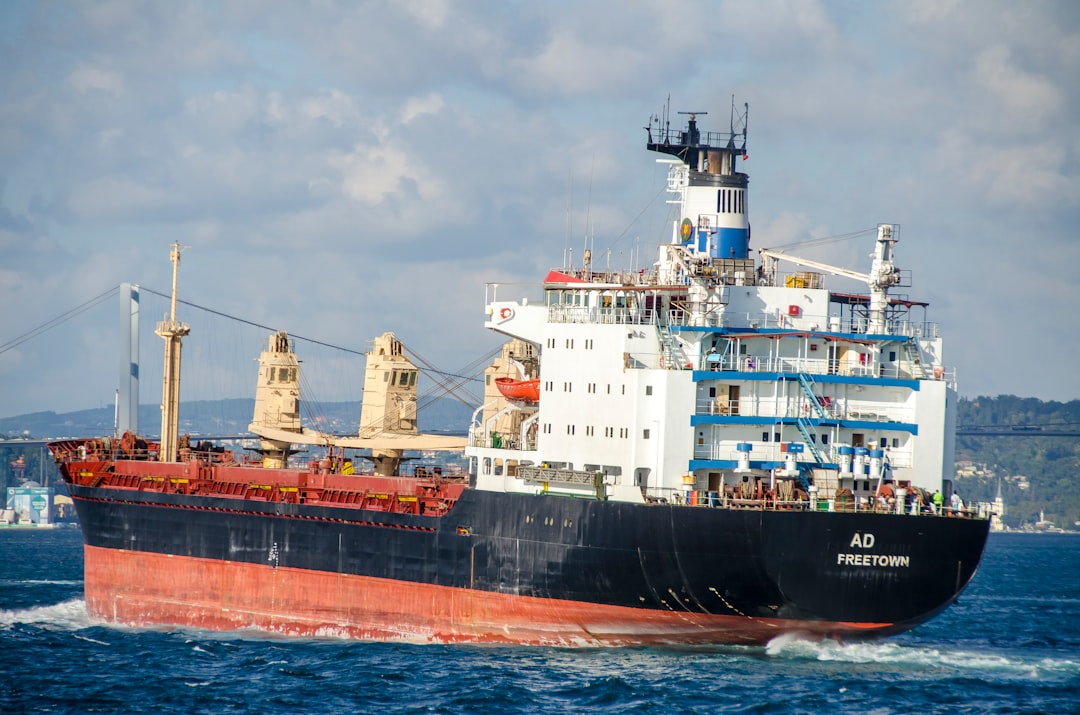
The Current Situation
The latest data shows three product carriers departing the Persian Gulf, while two Iranian-flagged Suezmaxes are approaching from the opposite direction. This change comes after a prolonged period of near standstill, which began with the outbreak of conflict in late February. Analysts have pointed out that the increased visibility of vessels using the automated identification system (AIS) is a significant development, suggesting that the maritime industry is adapting to newly emerging conditions of relative stability.
Muyu Xu, a senior crude oil analyst at Kpler Ltd, noted that this increase in confirmed crossings can be attributed to a temporary agreement between the United States and Iran. Such agreements potentially lead to more stable operational conditions, though concerns about whether this trend will continue remain. Notably, the VLCC Universal Glory, carrying 2 million barrels of Saudi crude, has already embarked toward South Korea via a prominent route in the strait.

Market Reactions
In response to these developments, Brent crude futures have seen a notable decline, trading below $77 a barrel. This figure is down from a pre-conflict price near $73, suggesting a correction as market participants adjust to the new geopolitical realities. Trading activity, particularly for oil derivatives, is also regaining momentum thanks to the clear vessel movements, contributing to a more transparent trading environment supported by crucial AIS signals.
Insurers and financiers are increasingly requiring vessels to broadcast their locations through AIS to ensure trade viability and coverage. Such stipulations are intended to mitigate risks associated with maritime operations in volatile regions like the Strait of Hormuz, which is known for its heavy traffic comprising approximately 135 vessels daily in peacetime.
The Operational Read
The recent upsurge in tanker broadcasts through the Strait of Hormuz signifies a gradual return to normalcy for shipping operations in a historically critical maritime chokepoint. For operators, this means recalibrated risk assessments and potential opportunities for increased turnover in a traditionally busy route for oil and gas shipments. However, the maritime market must remain vigilant, as the prospect of renewed tensions could disrupt this newfound stability. Watching the patterns of both Iranian and non-Iranian vessels will provide further insight into the evolving dynamics of this pivotal passage as negotiations between the U.S. and Iran continue.