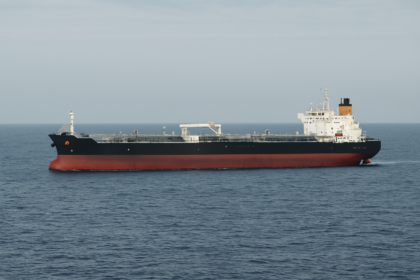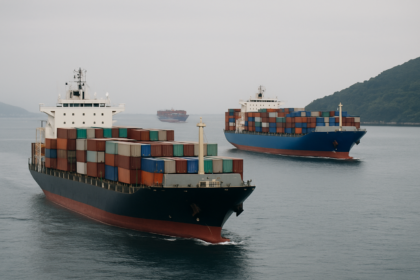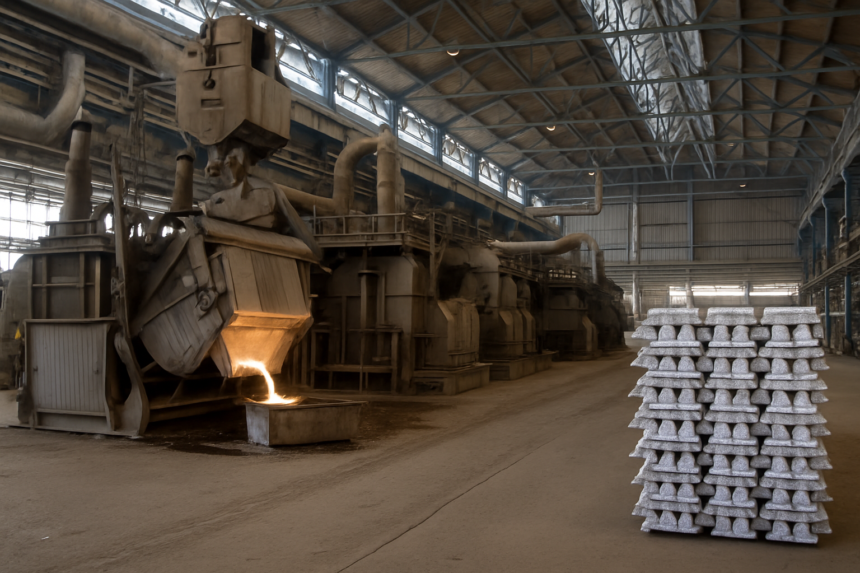
The ongoing conflict in Iran has created a significant initial shock to the global aluminum market, raising fears of supply shortages and soaring prices. Market analysts warned that, without a quick reopening of the Strait of Hormuz, smelters could face critical raw material shortages, leading to widespread closures and potential price surges exceeding $4,000 per ton. However, recent developments indicate that the anticipated crisis may be more manageable than initially feared.
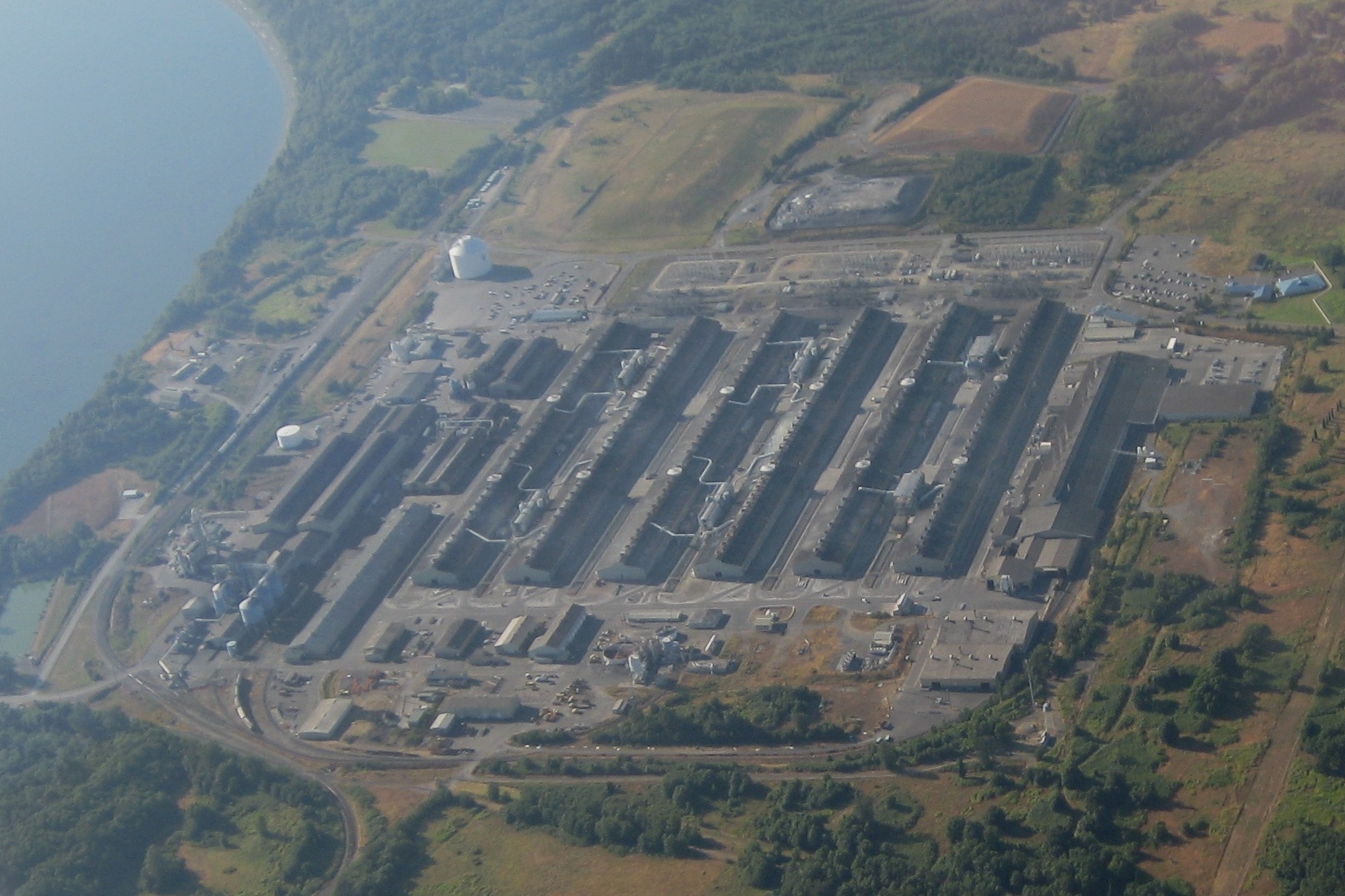
Supply Chain Resilience
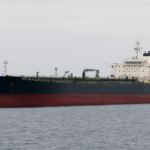
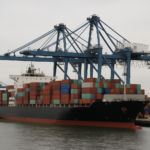
Middle Eastern smelters have engaged in complex logistical operations to secure supplies of alumina and other essential materials. These operations include daring voyages through the Strait of Hormuz, demonstrating the resourcefulness of producers in the region, which accounts for nearly 10% of global aluminum supply.
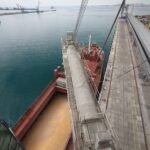
Amelia Xiao Fu, head of commodities strategy at Bank of China International, noted that a full-blown supply freeze was averted due to rerouted alumina imports and increasing exports from China and Indonesia. Although the market has drawn from inventories to navigate recent months, these operational buffers are now dwindling, indicating the need for sustained import and production levels.


Market Forecasts Diverge
As market stakeholders reassess their outlooks, analysts’ projections for aluminum prices have begun to diverge significantly. While JPMorgan Chase & Co. initially anticipated prices reaching $4,000 per ton, they have adjusted expectations, citing robust supply responses in Asia and substantial drawdowns in hidden inventories. Current futures trading in London hovers around $3,400 per ton.
Contrastingly, Goldman Sachs has lowered its forecasts, predicting prices may trend toward $3,000 per ton over the next year. Citigroup anticipates this is the largest supply shock in over five decades, while Bank of America forecasts a more balanced supply-demand scenario in the 76-million-ton aluminum market.
Analysis of Alumina Flows
Discrepancies in market expectations stem from varying assessments of supply losses endured by Persian Gulf smelters. Ben Ayre, an analyst at ship-tracking firm Kpler, has identified a significant flow of alumina into the region, suggesting that smelters are gradually replenishing their reserves even amid the ongoing conflict.
The Operational Read
This period of instability in the aluminum market reflects broader geopolitical dynamics and the critical interdependence of global supply chains. Operators must remain vigilant, as the ongoing conflict could either constrain or expand production capabilities based on regional stability. The recovery trajectory of aluminum pricing will depend heavily on smelter productivity in the Gulf and the appetite for risk among buyers. Continuous monitoring of logistical operations and trade flows will remain paramount as the market navigates these challenges, especially as new regulatory developments surface in China and Indonesia.