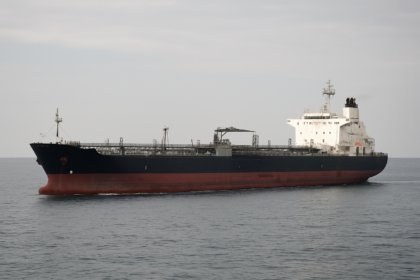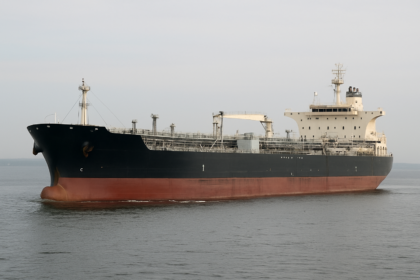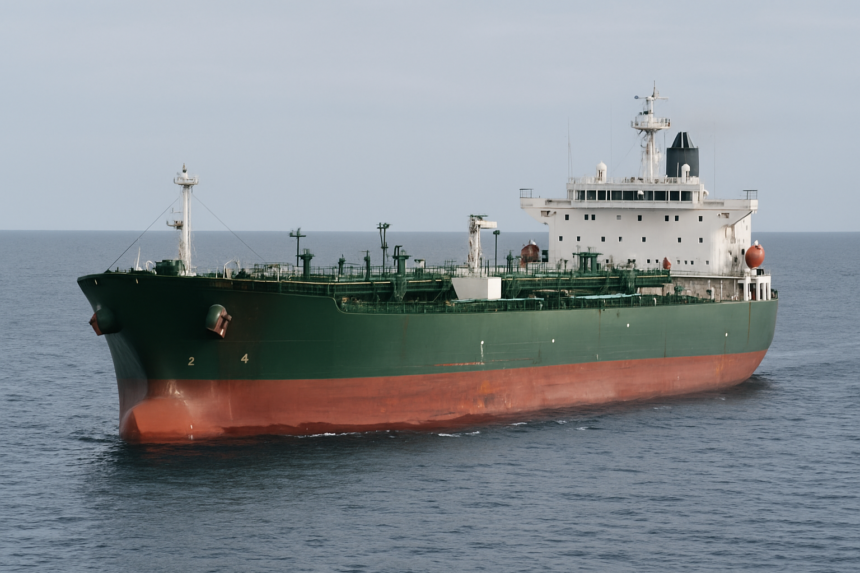
Recent data indicates a noteworthy uptick in maritime traffic through the Strait of Hormuz, a critical chokepoint for global oil shipments. On June 23, 2026, Windward reported that 21 AIS-visible transits had occurred in the central corridor, which had been largely dormant since the onset of regional conflicts. Among the vessels transiting included a South Korea-flagged container ship and a Liberia-flagged Very Large Crude Carrier (VLCC), signaling a cautious return to operational normalcy in the area.

The Current State of the Strait
This surge in activity follows a significant increase in Iranian crude exports. According to Vortexa, the week ending June 21 saw a total of 133 transits, up from merely 53 the previous week. This growth is attributed predominantly to Gulf National Oil Companies (NOCs) resuming operations as blockade conditions begin to ease. However, cautions remain, as Iranian-linked vessels have notably decreased as a percentage of overall throughput—from approximately 69% in March to around 18% by June.
While the northbound lane, requiring IRGCN permission, is witnessing reduced activity, neutral vessels are increasingly opting for the southern route alongside Oman. This corridor is favored for its lack of Iranian oversight and implications for transit safety.


Insurance and Operational Risks
Despite emerging signs of normalization, substantial risks linger, particularly regarding liability and insurance. Tanker owners are expressing concerns that taking on the potential liabilities associated with transiting the Strait remains too high. Jake Scott, Chief Operating Officer of Easterly Clear Ocean, emphasized that the ongoing risks to ships and crew from drone attacks compound the dilemma faced by vessel owners. As the market stabilizes, insurance premiums are a critical factor influencing operational decisions in the region.
Notably, while there are ongoing discussions surrounding the risk environment within Hormuz, the consensus points toward a slow return to baseline operational levels rather than a complete reopening. The southern route’s increased usage reflects this evolving landscape as operators seek to mitigate potential risks.
The Operational Read
The gradual increase in traffic through the Strait of Hormuz underscores the intricate balance between operational opportunity and risk management faced by shipping operators. With insurers remaining cautious, operations must navigate a continuing threat landscape while weighing the realities of the evolving oil trade, particularly with China, which has continued to facilitate trade with Iran. The complexities of navigating geopolitical tensions and market dynamics will require diligent monitoring as operators seek to reestablish reliable shipping routes through this pivotal maritime corridor.