Update 24 Jul 2026, 08:37 UTC:
Geopolitical threats impacting the shipping industry have intensified this week, particularly in the Strait of Hormuz and the Red Sea, posing significant operational challenges for vessel operators. Since June 25, there have been 14 confirmed Iranian attacks on commercial shipping, significantly elevating risks for tankers traversing this strategic corridor.
Current Threat Landscape
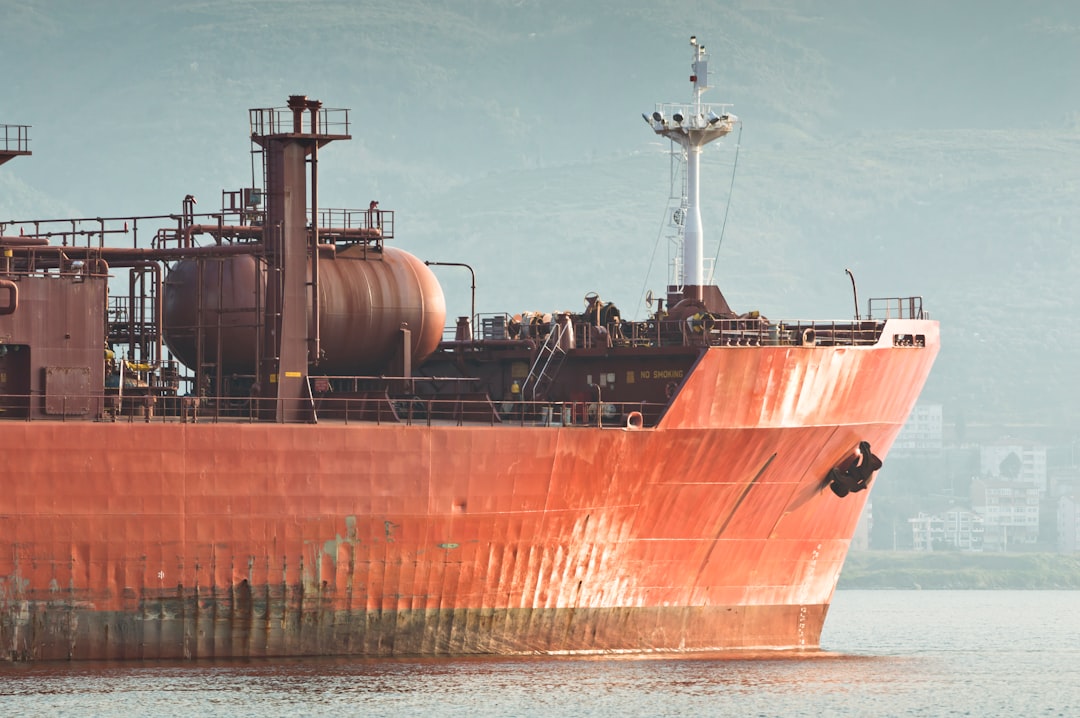
The Strait of Hormuz continues to be the focal point of these geopolitical tensions. The region is critical, with more than a fifth of global oil supply transiting through it daily. The growing frequency of Iranian hostilities towards commercial vessels raises concerns about the security of shipping routes and potential disruptions to oil supplies. In parallel, the Red Sea has not been immune to trade threats, compounding the already precarious situation for maritime operations.

Insurance and Rerouting Considerations
As the geopolitical climate worsens, shipping insurers are expected to reassess their risk models, likely resulting in higher war-risk premiums for vessels operating in affected areas. Operators are faced with the critical decision of whether to increase costs to insure their ships or to reroute through less risky passageways, such as the Cape of Good Hope, which could lead to longer transit times and increased operational expenses.
The Operational Read
This escalation in geopolitical risks creates an urgent operational reality for vessel operators, charterers, and shipping companies. Continuous threats necessitate meticulous risk assessment and contingency planning for voyages through critical chokepoints. It is essential for operators to remain agile and responsive to the evolving situation in the Strait of Hormuz and other affected areas. Monitoring developments closely will be crucial, as any change in hostile activity could have further implications on shipping schedules, insurance costs, and ultimately the global supply chain.