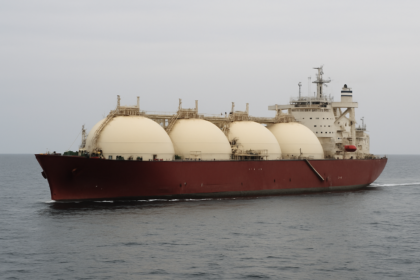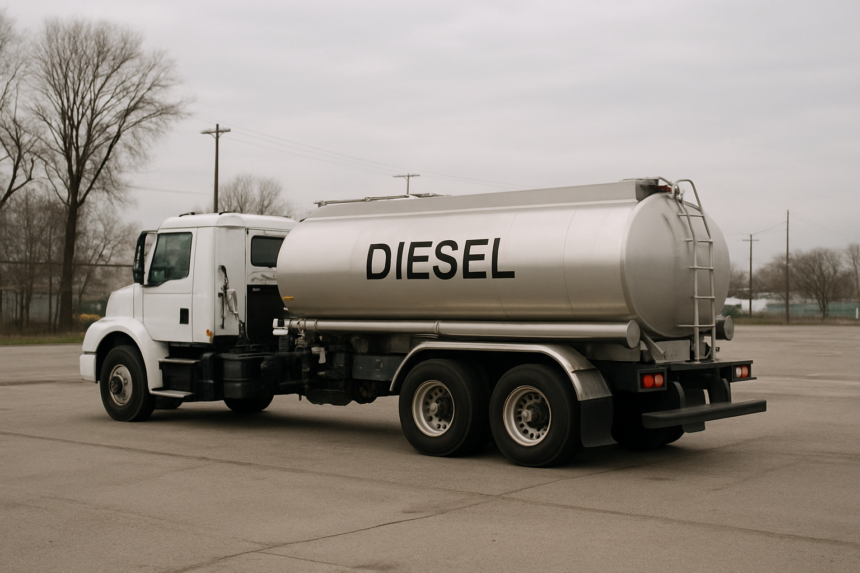
On July 8, 2026, Russia enacted a ban on diesel exports in response to significant domestic fuel shortages exacerbated by ongoing Ukrainian drone attacks on its energy infrastructure. This regulatory move aims to enhance fuel availability within Russia as widespread supply issues have led to long lines at filling stations across multiple regions. Deputy Prime Minister Alexander Novak confirmed the ban during a government meeting with President Vladimir Putin, expressing concern over the situation at local filling stations.

The Context of the Ban
The recent hostilities have reportedly disrupted the supply of diesel and gasoline, leading to a complex fuel market scenario. As stated by Novak, the export ban is a crucial step to redirect diesel supplies to domestic needs, where shortages have become critical. From July, Russia plans to initiate fuel imports, further indicating the severity of the domestic fuel crisis.
Analysts have noted that the timing of the export ban is particularly detrimental to the international diesel market. Benchmark European diesel margins soared to a record $60.17 per barrel following the announcement, as the tightening market anticipates increased competition for available imports. The ban coincides with heightened inventory draws in the Middle East, resulting from ongoing conflicts, leaving European markets in a vulnerable position.

Market Implications
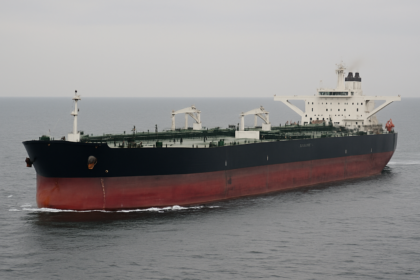
In June, Russia’s seaborne diesel exports contracted sharply, falling 39% from the previous month to approximately 1.8 million metric tons. Comparatively, daily exports have dwindled to around 214,000 barrels per day in early July—a stark decline from prior years, reinforcing the market’s fragility. Turkey and Brazil were the predominant importers of Russian diesel in June. Still, the current export constraints may disrupt these buyer expectations, potentially redirecting competition for alternate diesel supply sources among various nations.
The Operational Read
The operational landscape for oil and gas trade is shifting significantly as Russia’s diesel export ban combines with escalating tensions in Ukraine. For operators and charterers, the immediate focus will be on sourcing alternative supply routes and managing vessel laytimes amid increased demand in Europe and potential restrictions from Russia. The diesel supply chain will likely face growing pressures as importers and refiners navigate a tighter global market, with significant implications for cost structures and procurement strategies over the coming weeks. Enhanced vigilance will be necessary to monitor price fluctuations and shifts in import patterns as the geopolitical climate continues to evolve.