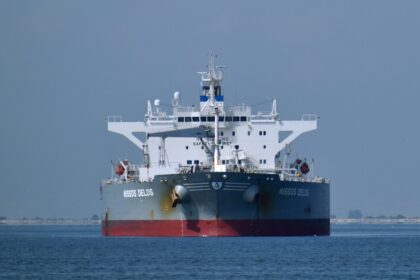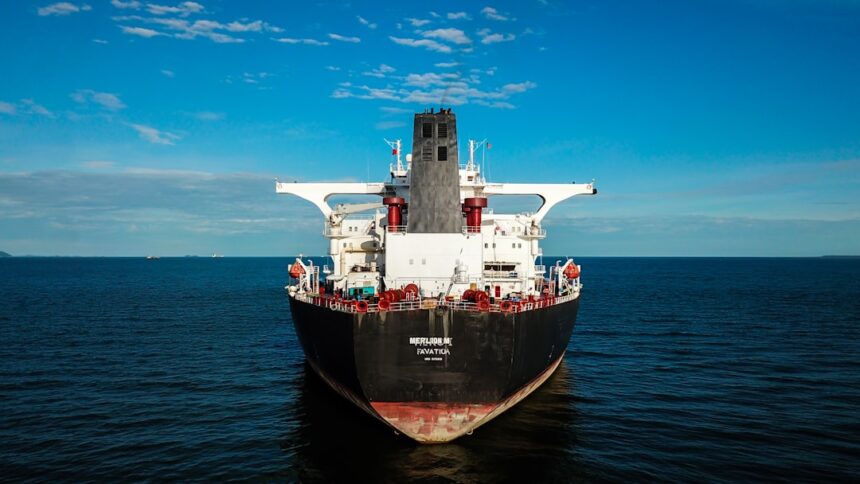
Oman has reported that negotiations with Iran regarding the security of shipping routes through the Strait of Hormuz are progressing positively. However, Iranian officials have indicated that any potential deal would not result in an immediate reopening of this vital maritime corridor, which sees roughly a fifth of global oil and natural gas shipments.
During discussions that took place over the weekend, Iranian Foreign Minister Abbas Araghchi noted that talks were nearing completion. Nonetheless, he emphasized that the full reopening of the strait is contingent upon additional conditions being met, particularly regarding U.S. actions. The negotiations have gained urgency following a blockade that Tehran imposed on the waterway amid increased military tensions with the U.S. and Israel, which intensified in February of this year.
Current State of Tensions
The situation remains complex. The U.S. has been actively involved in military operations since February 28, and diplomatic initiatives have seen various setbacks, including the collapse of a December Memorandum of Understanding (MoU) which aimed to halt hostilities and prompt further negotiations. Iranian security chief Mohammad Baqer Zolqadr reiterated that a reopening of the Strait of Hormuz would only occur if U.S. behavior changes, calling for a halt to threats, lifting the blockade on Iranian ports, and releasing frozen assets.

Concurrently, Oman has urged for restraint, specifically warning that attacks on commercial shipping could severely impact any potential agreements moving forward. The UAE has reported an incident where an Iranian attack targeted a tanker associated with the country’s national oil company, complicating the atmosphere of negotiations.
Potential Economic Implications
The potential for Iran to impose tolls on vessels passing through the strait has also emerged as a contentious issue. Reports indicate that Iran may seek fees ranging from 5% to 7% of the transaction value for cargoes transported through this key shipping lane. While Iranian officials hint at the feasibility of such tolls, U.S. vice-president JD Vance has characterized these reports as exaggerated, asserting that Iranian authorities have expressed no intent to introduce tolls on maritime traffic.
Despite these tensions, Vance acknowledged that securing a safe passage framework for vessels is crucial for restoring normal shipping traffic in the challenging geopolitical landscape of the region. The perspectives shared by U.S. officials suggest a need for a carefully tailored approach to the situation, balancing diplomatic measures while ensuring the flow of essential commodities remains uninterrupted.
The Operational Read
The ongoing negotiations around the Strait of Hormuz are critical for maritime operations, particularly given the strait’s role as a major transit point for oil and gas shipments. The immediate lack of clarity on reopening the strait poses a risk for operators and charterers alike, who must navigate the elevated geopolitical tensions and evolving regulations that may arise from these discussions. As shipping companies evaluate routing options, adjustments to laytime and demurrage calculations may emerge as key considerations. The focus now shifts to whether diplomatic resolutions can lead to a viable traffic scheme that ensures both security and economic stability for maritime stakeholders in the region.