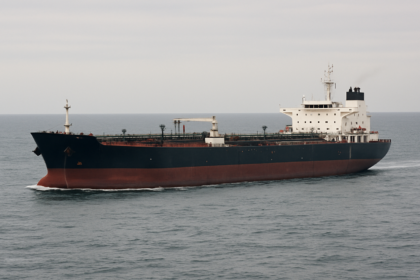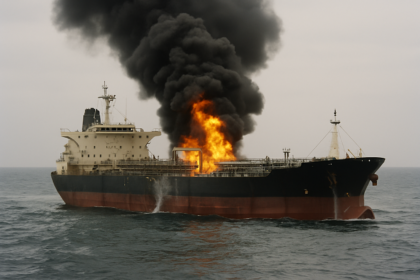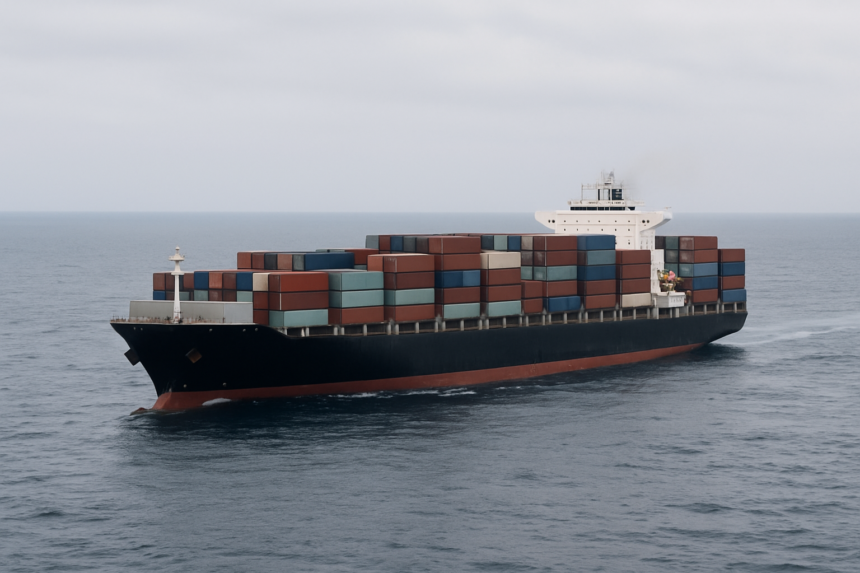
On Sunday, a cargo ship activated a distress alert in the Red Sea, reporting an attack by unknown armed assailants. The UK Maritime Trade Operations (UKMTO) reported that the attack took place approximately 30 nautical miles southwest of Hodeida, a port city under the control of the Iran-backed Houthi rebels.
The Incident
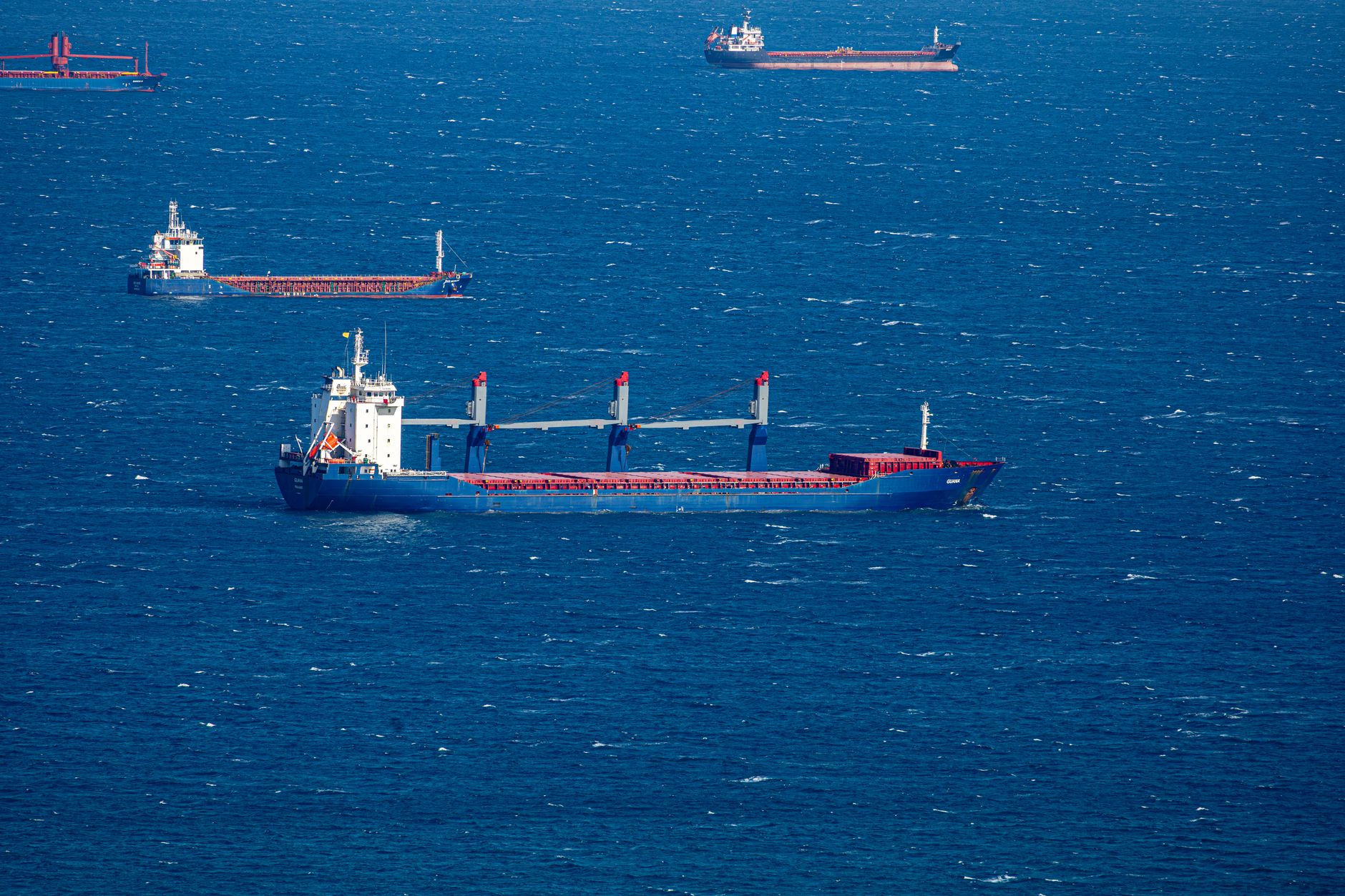
According to UKMTO, the incident involved a skiff approaching the bulk carrier and opening fire, prompting the vessel’s onboard security personnel to return fire. Following this exchange, the skiff retreated to a larger ship located about 2 nautical miles away. Investigation into the incident is ongoing, although no group has yet claimed responsibility.
Geopolitical Context
The situation in the Red Sea has become increasingly precarious as the Houthis resumed attacks on cargo ships in 2023, a response attributed to the broader regional conflict ignited by Israel’s military actions in Gaza. The renewed focus on maritime attacks by the Houthis in light of the recent declaration of war by the United States and Israel against Iran signals a potential escalation in threats to shipping operations. The group has explicitly warned of continuing attacks on maritime traffic.


Market Impact
The ongoing threats from the Houthis, along with the resurgence of piracy in the nearby Gulf of Aden, have caused significant disruption to international shipping routes, compelling operators to consider alternative routes, such as circling around Africa. These developments not only increase operational costs but also raise concerns about the safety of maritime assets in the area.
The Operational Read
For shipping operators and charterers, the recent attack underscores a deteriorating security environment in one of the world’s busiest maritime corridors. Operators must assess the operational risks posed by increasing Houthi hostility and the potential for further disruptions. Rerouting vessels to circumvent danger zones entails significant cost implications and prolonged transit times, impacting global supply chains. Continued monitoring of regional developments will be critical for navigating these turbulent waters effectively.