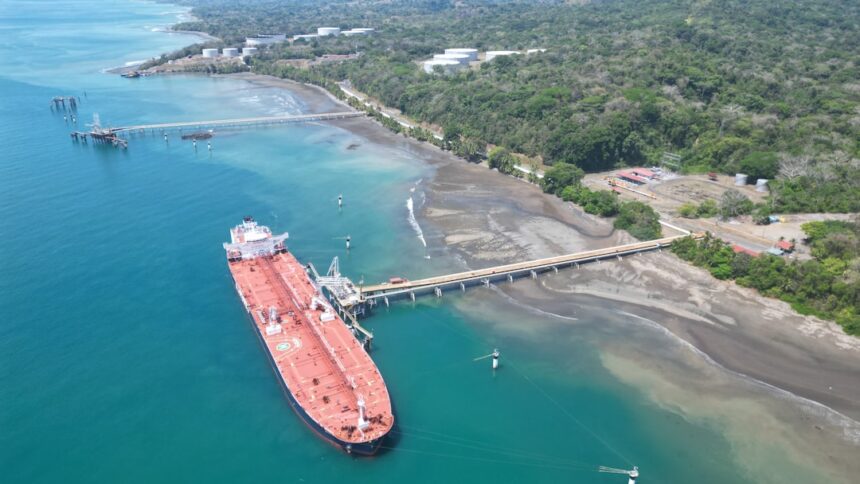
The risk to oil tankers operating in the Middle East has reached alarming levels, according to industry experts, amid increasing attacks and a complex geopolitical landscape. As conflicts intensify, the Red Sea, a crucial shipping lane, has been marred by assaults targeting vessels, marking a significant escalation since the onset of the Iran conflict.
Current Security Situation
Recent comments from Matthew Wright, an analyst at Kpler, highlight that the situation for the trade of crude oil is at its most precarious point since the beginning of the crisis. The number of vessels traversing the Strait of Hormuz has plunged dramatically — from over 100 daily pre-conflict to merely eight on a recent Sunday. This strait, historically responsible for transporting about 20% of the world’s oil and gas, remains closed to many vessels due to ongoing hostilities.
Negotiations taking place between Iran and Oman regarding the reopening of this critical shipping lane have not quelled fears, especially as transponders remain off on many vessels attempting to avoid detection. Such tactics underline the heightened risks operators are facing while navigating these contested waters.

Impact of Houthi Attacks
The situation has been compounded by increased assaults from Iran-backed Houthi forces against Saudi tanker routes in the Red Sea. Reports indicate that since the Houthi announced a blockade on Saudi ports on 20 July, multiple incidents have involved attacks on commercial shipping. Despite the diminished oil transport, some maritime traffic persists, as comprehensive deterrents have not yet influenced all vessels transiting the area.
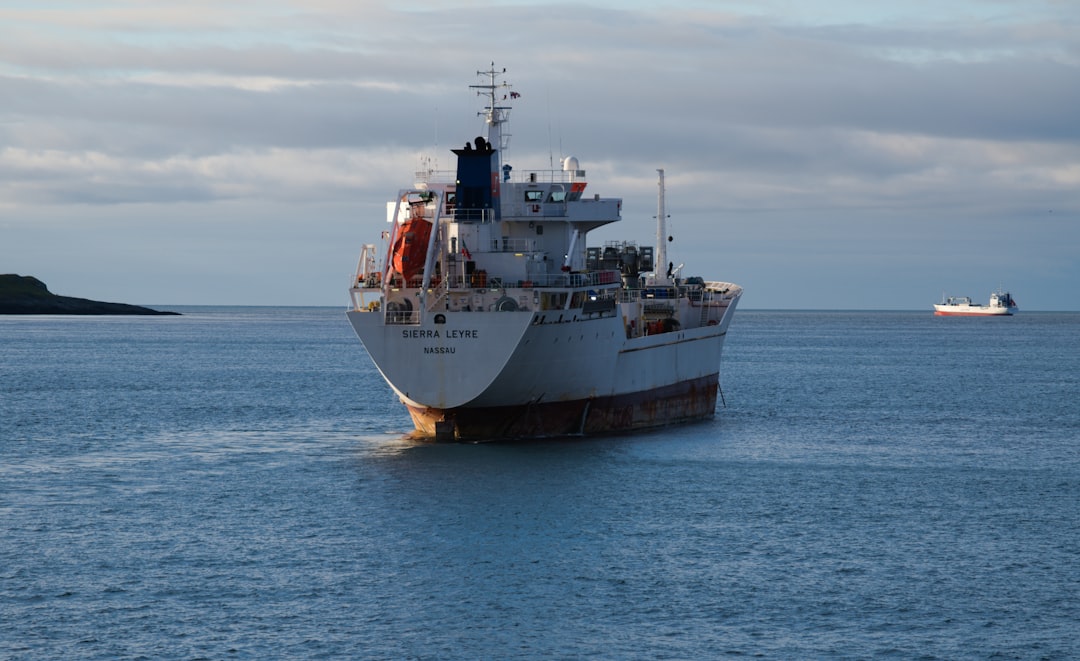
However, freight operational statistics show that the number of ships loading crude oil for export to Asia has dwindled to an alarming low of approximately four per day, posing serious challenges to operational efficiency and supply chain stability. Tim Wilkins, managing director of Intertanko, has highlighted the complexity of the existing security landscape, indicating that freedom of navigation is increasingly restricted.
Future Outlook for Maritime Operations
As the threat landscape evolves, operators like Hapag-Lloyd continue to monitor developments closely, asserting their intent to adapt shipping routes based on changing circumstances. The reopening of the Strait of Hormuz could allow a swift exodus of vessels from the region; however, restoring normal operational flows may take significantly longer due to existing logistical adjustments and redeployment of assets.
The Operational Read
This critical increase in maritime risk for oil transporters signals a need for heightened vigilance among operators, crews, and charterers. The ongoing attacks compel vessels to adopt more cautious navigation strategies, including employing transponder stealth protocols. Additionally, the dynamic political climate raises concerns over the long-term impacts to supply chains and operational costs in the Red Sea. It remains essential for shipping professionals to assess alternatives for mitigating operational disruptions and to be prepared for evolving security protocols as the situation develops.