Shipowners are closely monitoring the evolving situation regarding potential peace talks between the United States and Iran, which may influence maritime operations in the Strait of Hormuz. The strait has been effectively closed since conflict escalated, significantly impacting global oil supply chains.
The Current Situation
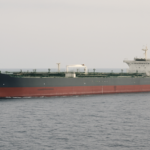
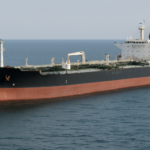
Currently, around 127 oil tankers are stationed inside the Persian Gulf, as indicated by data from Signal Maritime. Additionally, several vessel owners are strategically positioning their fleets near the strait, gearing up for a possible resurgence in shipping activity should a peace agreement be reached.
The implications of reopening the strait are substantial. Established as a vital conduit for approximately one-fifth of the world’s oil and liquefied natural gas, the strait’s closure has disturbed trade. With prices retreating from previous highs, market operators are keenly interested in returning to pre-war traffic levels. Nevertheless, the details surrounding the reopening remain ambiguous.

Market Dynamics
Initial indications suggest that significant volumes of oil are surreptitiously moving through the strait, with estimates varying widely. U.S. Energy Secretary Chris Wright reported around 7 million barrels per day traversing the Gulf, while estimates from other sources, including JPMorgan Chase & Co., suggest this figure may be closer to 5 million barrels per day. Historically, about 20 million barrels per day navigated through Hormuz.
This recent uptick in clandestine oil movements raises concerns of safety amid rising maritime traffic. Should a peace deal materialize, experts predict an immediate surge in oil exports from the region, possibly overwhelming current shipping and logistical frameworks, thus increasing the likelihood of maritime accidents in this congested area.
Shipowner Outlook
Several shipowners expressed their intentions to adopt a watchful stance, recalling past instances where peace agreements dissolved shortly after being announced. Recent events, including the fatalities of crews due to U.S. military actions, have further contributed to the atmosphere of caution. However, should Hormuz’s reopening become a reality, tanker operators may find themselves dealing with a stampede of vessels eager to exit the congested waters.
The Operational Read
The potential reopening of the Strait of Hormuz presents a complex operational challenge for shipping stakeholders. For vessel operators and charterers, the expected surge in traffic necessitates heightened readiness in terms of navigating congested waterways. Furthermore, with multiple vessels potentially activating their routes simultaneously, ensuring safety protocols and adhering to regulations will be paramount. Close attention will be required to the effectiveness of navigation systems and communication measures in preventing accidents and ensuring smooth operations through this pivotal corridor of global trade.