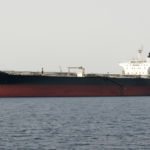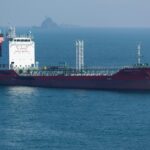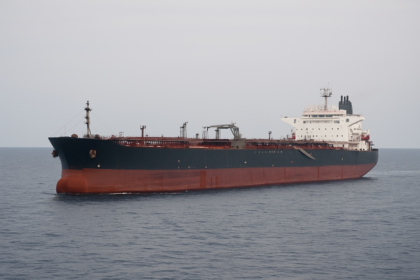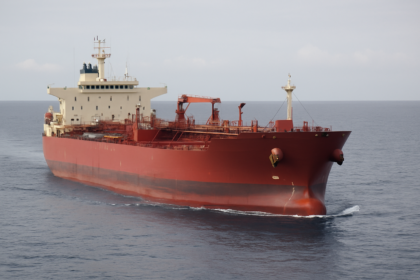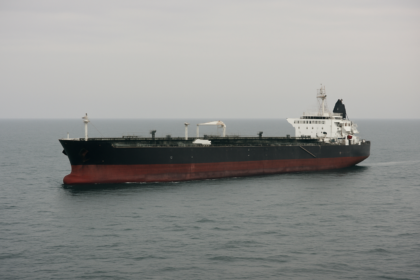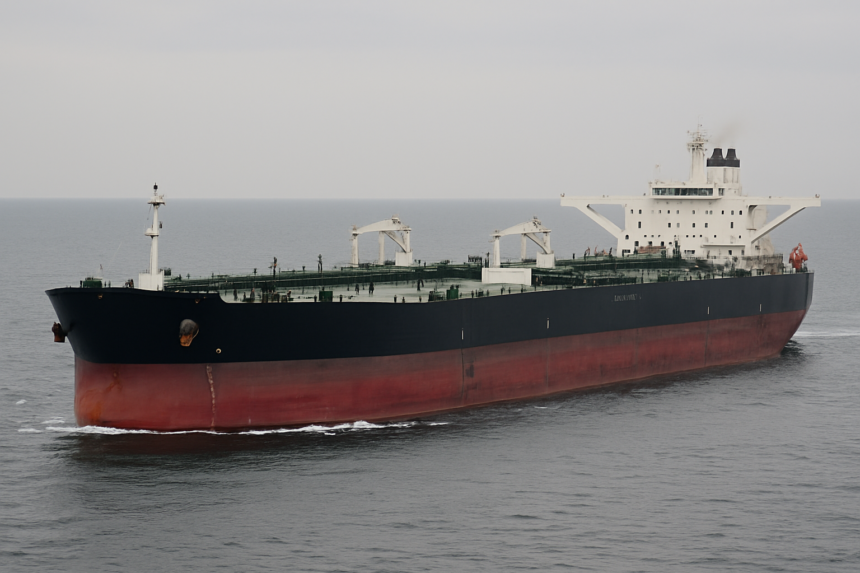
The ongoing conflict involving Iran has escalated the number of attacks on commercial shipping, particularly targeting very large crude carriers (VLCCs). Data compiled from the International Maritime Organization highlights that since a now-canceled peace pact was announced in June, five out of nine attacks on commercial vessels have involved these significant oil transporters, underscoring the challenges in restoring oil flows from this critical region to global markets.
The Incident
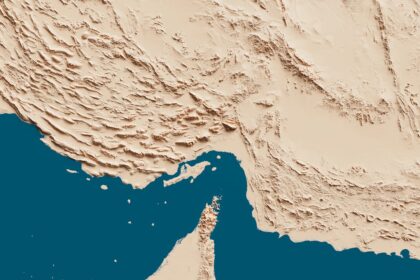
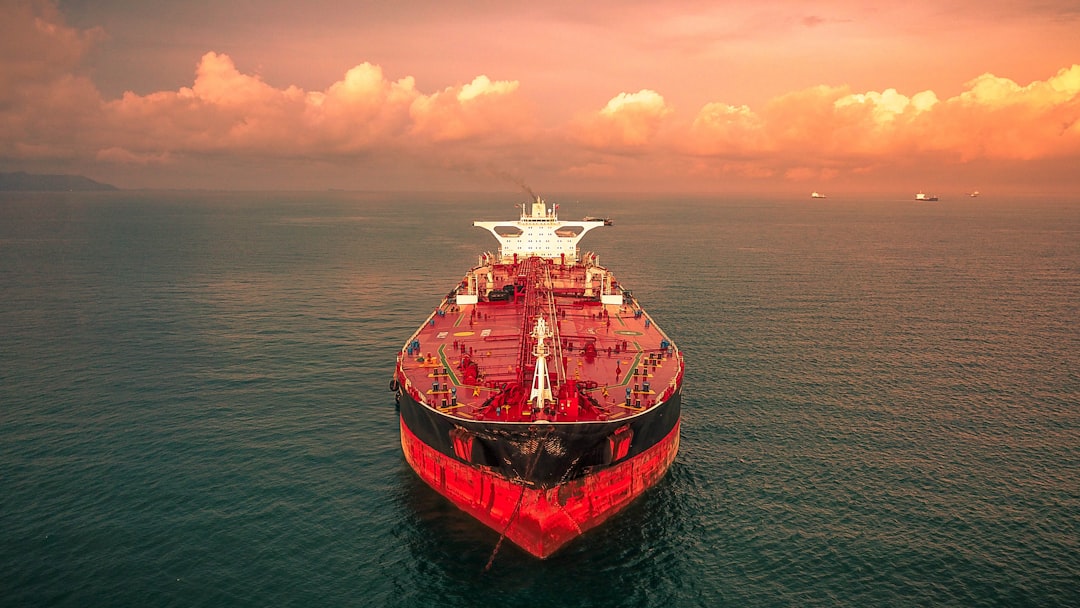
Prior to June’s peace proceedings, only nine of 48 commercial vessels reported damage during wartime involved VLCCs. This change in attack dynamics suggests a potential strategy shift from Iranian forces or a reaction to the increased movement of crude by Middle Eastern oil producers seeking to push more product through the Strait of Hormuz. Notably, reports indicate that several of the attacks on supertankers occurred off the coast of Oman, with additional incidents either in or near the Hormuz chokepoint.
Market Impact
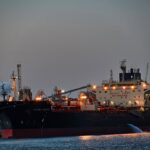
This elevated risk presents serious implications for the global oil market, as VLCCs are instrumental in transporting crude from the Persian Gulf. The increased incidence of attacks on these vessels raises fears among operators that they may need to adjust their shipping routes or take additional security measures, potentially leading to higher shipping costs and delays in oil delivery. Reports from UK Maritime Trade Operations confirm that several of these incidents have indeed taken place in the high-traffic region surrounding Hormuz, making it a focal point of maritime security concerns.

Operator Response
In light of these developments, the IMO’s Secretary General has advised vessels to exercise extreme caution in navigating the Strait of Hormuz due to the current level of risk. Operators are expected to enhance their risk assessments and may explore alternative shipping lanes as part of their strategic planning to mitigate potential dangers. Continued monitoring of the situation will be crucial for those involved in oil logistics within and beyond the region.
The Operational Read
The rising number of attacks on VLCCs reflects a precarious state for operators in one of the world’s most vital shipping corridors. The targeting of supertankers not only increases the operational risks for shipping companies but also has significant implications for global oil supply chains. With attention focused on potential reroutes and enhanced security protocols, operators must remain vigilant as geopolitical tensions continue to evolve. Monitoring developments closely will be crucial for maritime stakeholders, as shifts in operational strategy may be necessary to adapt to the changing landscape of oil transportation through this key maritime chokepoint.