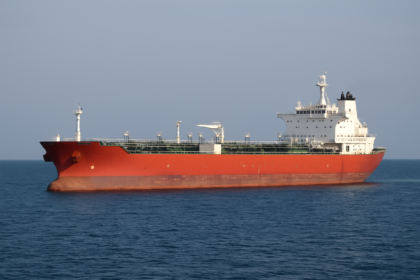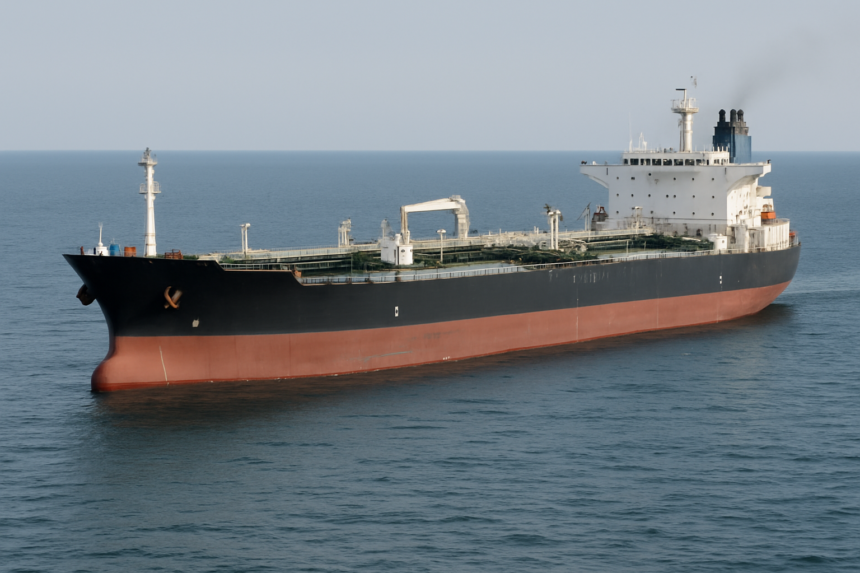
As the situation in the Gulf evolves, recent analyses reveal that lost oil exports due to the Iranian conflict may be significantly smaller than previously anticipated. Following Tehran’s declaration that the Strait of Hormuz was “closed,” fears of a monumental export crisis gripped the market — leading Brent crude futures to peak at nearly $120 per barrel in early March.

Adaptations in Oil Flows
However, shipping data from firms such as Kpler indicates that non-Iranian exports have stabilized, with approximately 136 million barrels of crude passing through the Strait of Hormuz and Gulf of Oman from early April to June 10. This translates to about 1.9 million barrels per day, signaling a recovery from the immediate shock of the outbreak of the conflict.
Despite initial disruptions, companies operating in the region showcased adaptability by ramping up exports. These adjustments included leveraging alternative logistics channels from Iraq, Kuwait, and the UAE, sometimes involving tacit arrangements with Iran, while also relying on tankers disabling their satellite systems to avoid detection. Further bolstering these shipments, Saudi Arabia has maintained its exports from the Red Sea port of Yanbu, contributing to consistent supply levels.

Market Implications
The current supply estimates have also shifted significantly. While the International Energy Agency (IEA) initially projected a downturn of 14 million barrels per day in Gulf exports, some industry sources now suggest the actual shortfall is closer to 5-6 million barrels per day. This adjustment reflects operational changes by producers — Iraqi outputs currently sit about 2.5 to 3 million barrels per day below normal, followed by reductions from Kuwait, Saudi Arabia, and the UAE.
External dynamics, such as a surge in U.S. oil exports and a substantial release from global emergency stocks, have also played a crucial role in stabilizing the market, despite a decrease in demand from China. Observations by analysts indicate that the current market shortfall may amount to only about 2 million barrels, reinforcing the notion that the commercial oil markets have adapted effectively to the disruptions.
The Operational Read
The evolving situation in the Gulf exemplifies the resilience of global oil logistics amid geopolitical tensions. The collaboration among oil-producing nations, alongside tactical adaptations by shipping companies, has enabled the maintenance of supply even in challenging circumstances. Operators must remain vigilant regarding not only the geopolitical landscape but also the potential risks stemming from dwindling global inventories, which could trigger future market volatility. Close monitoring of production rates and stock levels will be essential for stakeholders navigating this dynamic environment.