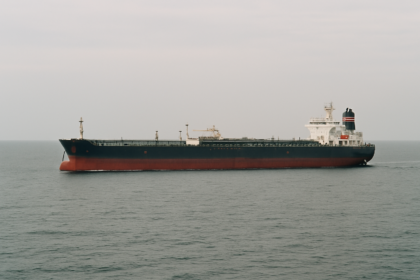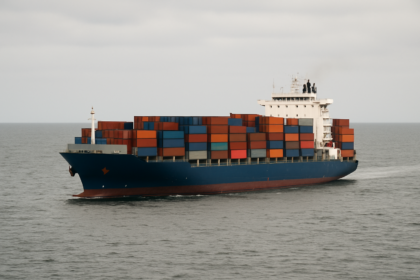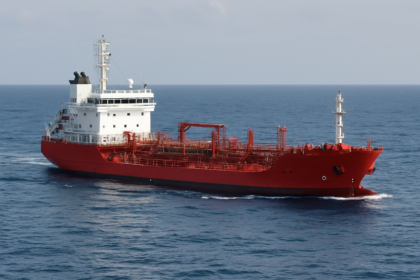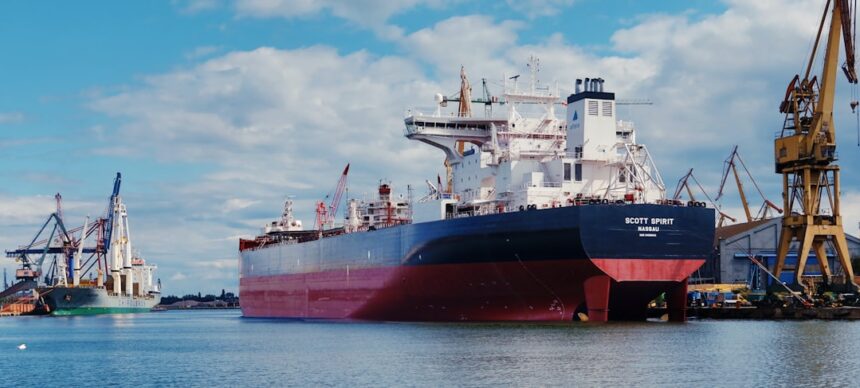
The Abu Dhabi National Oil Company (ADNOC) has reported that three of its vessels were attacked this week while navigating the Strait of Hormuz, underscoring the ongoing dangers faced by commercial shipping in this vital energy corridor. In a statement released on Friday, the company noted that it continues to be “significantly impacted” by these hostile actions against its personnel and assets, despite efforts to meet customer requirements.
Since the escalation of the conflict, ADNOC has indicated that a total of 15 of its vessels have been targeted by missiles and drones in the Strait, with the latest three assaults occurring in close succession. As of this week, the company has experienced one fatality and injuries to 20 crew members due to these attacks.
Worsening Maritime Environment
The Joint Maritime Information Center (JMIC) has characterized the Strait of Hormuz as one of the most perilous operating conditions for merchant shipping globally. Its latest advisory maintains a “SEVERE” threat assessment, highlighting that deliberate hostile actions, particularly those from Iranian forces, remain highly likely. The advisory also reports persistent incidents of harassment, including vessel hailing, drone overflights, and surveillance of commercial vessels.

According to JMIC, kinetic activities, including projectile strikes and near-miss explosions, have continued along the southern approaches of Oman, particularly around Limah, Khasab, and Kumzar. The deteriorating security landscape has resulted in significant suppression of commercial traffic, with only 18 outbound and 21 inbound full transits reported in the week ending August 7. These numbers reflect a stark decline, with traffic volumes at roughly 4% of their pre-conflict averages.
Shift in Shipping Routes
As maritime security continues to deteriorate, operators are increasingly opting for the northern route to avoid the heightened risks associated with the southern corridor, which has recently been the site of 14 out of 16 projectile-strike incidents since early July. UK Maritime Trade Operations (UKMTO) reported that numerous vessels have either aborted planned transits or rerouted north in response to these threats, indicating a proactive risk avoidance strategy by shipping companies.
The security situation is not limited to the Strait of Hormuz. JMIC has recorded 83 maritime security incidents since March 1, including escalating attacks across various regions. Recently, a tanker en route to the Strait reported two loud explosions in its vicinity on August 5, leading to an alteration of course without damage or injuries. Another incident involved the tanker Daisy, which experienced minor shockwave damage due to an explosion while transiting the Gulf of Aden.
The Operational Read
The operational landscape in the Strait of Hormuz has become alarmingly precarious for shipping operations. With commercial traffic diminished to only a fraction of historical figures, companies must reassess their risk management strategies rigorously. The shift to northern routes reflects a prevailing caution among operators, driven by a tangible sense of threat emanating from Iranian military activity. Moving forward, market stakeholders should closely monitor both security advisories and industry responses to anticipate changes in operational patterns and adjust logistics accordingly.