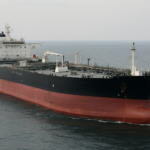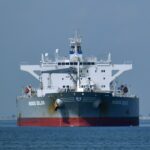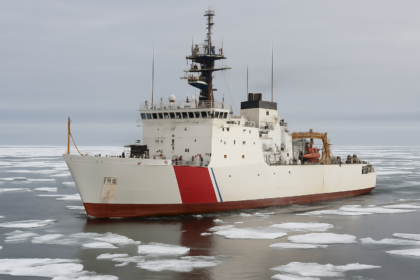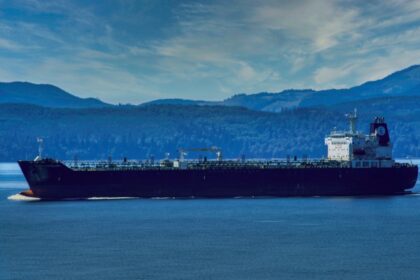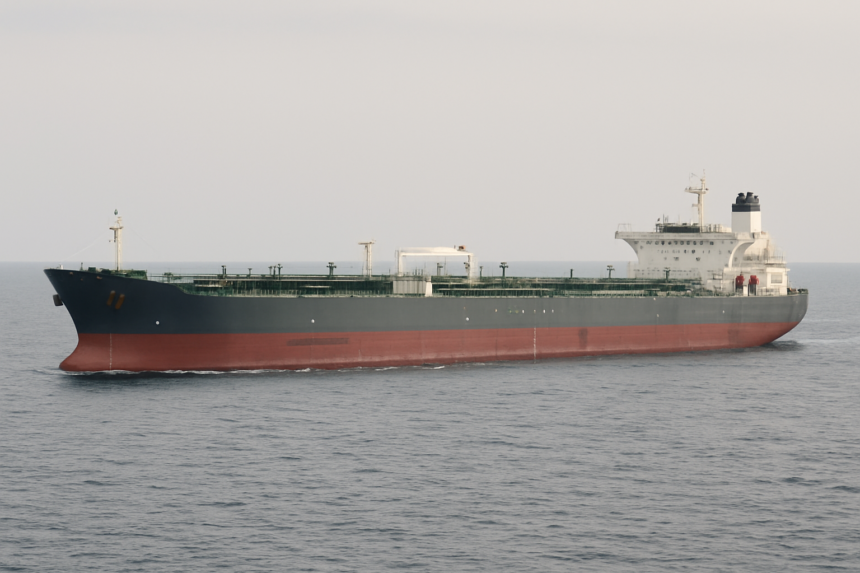
U.S. forces are actively escorting an average of more than 20 cargo vessels nightly through the Strait of Hormuz, a critical maritime corridor for global oil shipments, according to remarks made by U.S. Interior Secretary Doug Burgum. This operation is a significant response to the geopolitical tensions arising from hostilities involving Iran, which had previously resulted in severe disruptions to maritime traffic.
Operation Overview
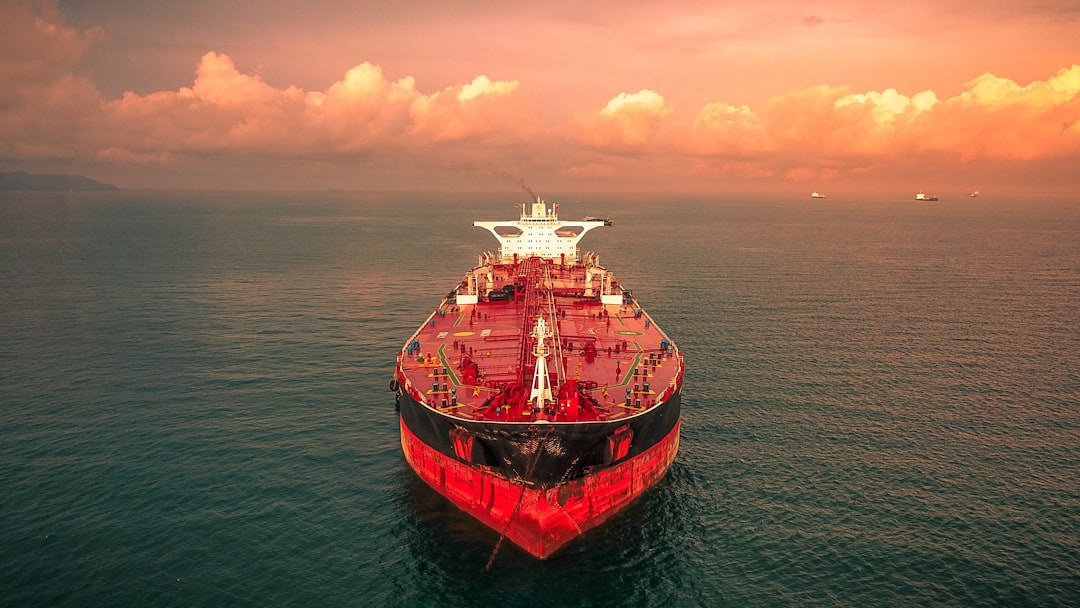
Burgum disclosed on Friday that the initiative commenced following the clearance of sea mines that threatened shipping safety in the area. With ultra-large carriers capable of transporting up to 2 million barrels of crude oil per vessel, the operation has successfully facilitated the movement of substantial volumes of oil out of the strait under the cover of darkness. This clandestine effort is part of a broader strategy implemented by the U.S. following escalated tensions in the region since attacks in late February.
Impact on Oil Markets
The Strait of Hormuz historically serves as a passage for approximately one-fifth of the world’s crude oil supplies. However, recent instability has resulted in disruptions that blocked millions of barrels from reaching global markets. As the U.S. continues to escort ships, reports indicate that more than 100 million barrels of oil have successfully exited Hormuz since the inception of the operation. This development comes amidst a backdrop of rising oil prices, with futures for West Texas Intermediate fluctuating around $85.48 per barrel.


Optimism regarding potential diplomatic resolutions between the U.S. and Iran may contribute to decreasing prices, as non-Iranian oil flows through the strait have surged by around 50% throughout June. Shippers have adopted dark transit maneuvers—navigating without active transponders—to further ensure their vessels’ safety during these critical passages.
The Operational Read
This operational maneuvering in the Strait of Hormuz illustrates the complexities faced by shipping operators under geopolitical strain. The heightened military presence ensures the safety of key vessels, yet the reliance on nighttime operations and dark transits raises concerns about the potential risks involved. With the oil market responding favorably to these increased flows, operators must remain vigilant to ensure compliance with evolving naval security protocols while navigating these challenging waters. Continued monitoring of diplomatic engagements will be crucial as the market adjusts to the fluctuating supply dynamics in the region.