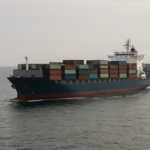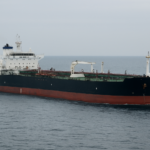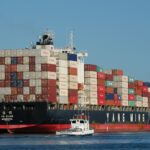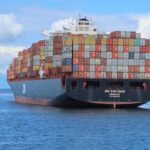
The United States is set to resume enforcing its maritime blockade of Iran on Monday, July 14, at 4 p.m. ET, as tensions rise in the Strait of Hormuz. The U.S. Central Command (CENTCOM) announced this decision, which follows a brief lifting of restrictions as part of a failed ceasefire agreement between Washington and Tehran.
The Context of the Blockade
This renewed blockade represents a formal shift back to the U.S. administration’s strategy prior to the ceasefire, which had been in effect for less than a month. The blockade will restrict all commercial shipping to and from Iranian ports and coastal areas, intensifying military operations in response to renewed threats against vessels transiting this critical waterway.
Operational Details
According to CENTCOM, the blockade will apply universally to all vessels, irrespective of flag, entering or departing from Iranian waters. Non-compliant vessels risk interception, diversion, or capture, with U.S. forces prepared to employ force if necessary. The Joint Maritime Information Center (JMIC) emphasized that while humanitarian shipments will be allowed, they must undergo thorough vetting to ensure compliance with blockade regulations.

During the initial phase of the blockade that began on April 13, U.S. forces redirected over 140 vessels. The lifting of restrictions on June 18 allowed for some normalcy in shipping operations, though Iranian oil exports were heavily impacted during that period. The re-implementation of this blockade comes as the Trump administration reinstates sanctions and labels the Strait of Hormuz as vitally strategic.
Market Implications
Heightened tensions and a renewed blockade could increase operational risks for vessels transiting the area. Shipping companies may need to reconsider transit routes or anticipate longer wait times for inspections and potential detours related to the blockade enforcement. The proposed 20% fee on transiting cargo also raises questions about the economic viability of routes through the Strait, as operators weigh the added costs against market conditions.
The Operational Read
The reinstated maritime blockade of Iran has significant implications for global shipping operations, particularly for vessels that rely on the Strait of Hormuz for transit. Shipping operators must prepare for potential delays due to inspections and the possibility of interception by U.S. forces. This could also lead to increased war-risk premiums, impacting freight rates. Monitoring the evolving geopolitical landscape will be essential, as the implementation of the blockade could prompt retaliatory actions from Iran, further complicating maritime security in the region.