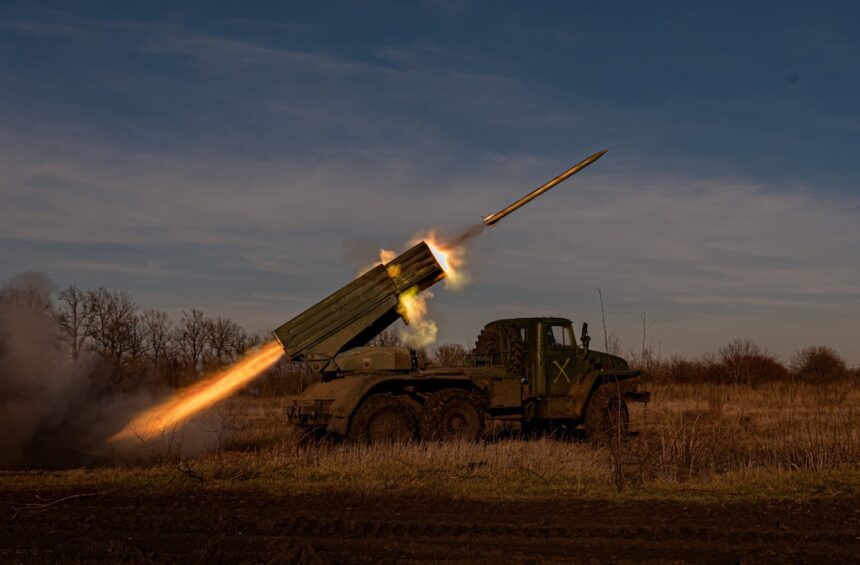
The U.S. Army has reportedly depleted much of its stock of long-range precision missiles during the ongoing five-month conflict with Iran, raising alarms about military readiness for future engagements. According to sources familiar with military data, nearly all Army Tactical Missile Systems (ATACMS) and Precision Strike Missiles (PrSM) have been utilized, indicating a significant reliance on these advanced munitions in the theater of operations.
Impact on Military Readiness
Long-range precision munitions such as ATACMS and PrSM are critical components of the U.S. military’s arsenal, allowing for accurate strikes while minimizing exposure to enemy fire. The extensive use of these munitions forms a vital aspect of U.S. military strategy, particularly as military operations have extended beyond initial forecasts. The conflict, which began in February under the Trump administration, was expected to be brief, but the reality has prompted renewed concerns regarding inventory levels and strategic capabilities.
As the conflict continues, military analysts warn that dwindling supplies may hinder the U.S. military’s effectiveness in deterring threats not only from Iran but also from other adversaries, including Russia and China. Historical parallels have been drawn to the use of U.S.-supplied ATACMS in Ukraine, where these missiles have enabled precise targeting within Russian territory. This context underscores the importance of maintaining sufficient stocks of such weapons.



Production and Supply Chain Dynamics
Despite assertions from the White House that U.S. munitions production exceeds that of any other nation—along with statements of record levels of manufacturing by defense contractors—there are questions about the sufficiency and sustainability of these supplies for extended conflicts. According to military officials, Central Command has successfully resupplied some of the used munitions from stockpiles positioned globally, yet the overarching concern remains about upcoming operational requirements in ongoing and potential future conflicts.
Lockheed Martin and Raytheon, major defense contractors involved in the production of ATACMS, PrSM, and other vital munitions, have yet to address specific inquiries regarding missile availability or current stock levels. Persistent speculation around supply capabilities has led to increased scrutiny from both defense analysts and governmental stakeholders.
The Operational Read
The reported depletion of long-range missiles marks a critical juncture for the U.S. military, emphasizing the potential operational risks involved in prolonged combat engagements without adequate replenishment of munitions. In the context of an evolving threat landscape that includes possible confrontations with major powers, maintaining a robust inventory of precision weaponry is essential for sustaining deterrent capabilities. It will be crucial for operators and military planners to closely monitor production timelines and logistics as they strategize for both current operations and future scenarios. Upcoming discussions about military readiness and defense spending may center around ensuring that such pivotal munitions remain within operational reach.