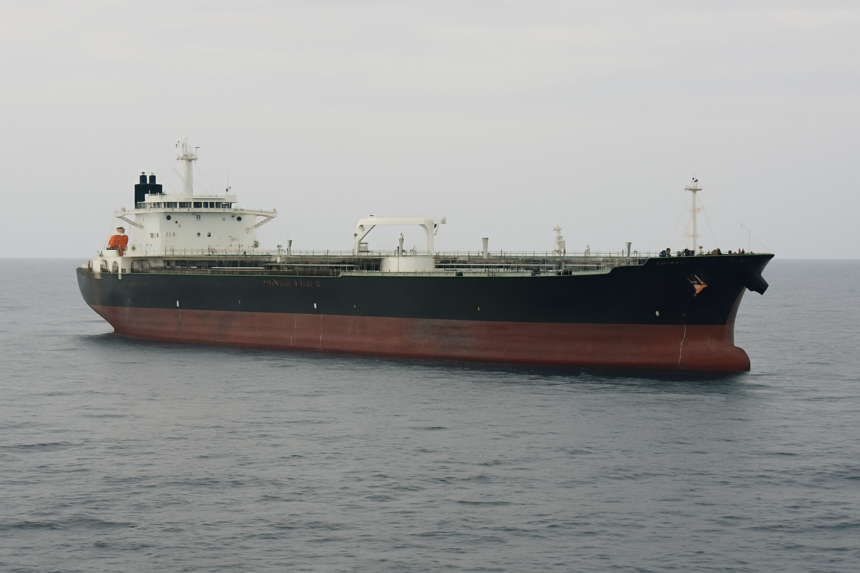
The recent resumption of commercial shipping through the Strait of Hormuz is overshadowed by geopolitical tensions and unresolved authority claims, impacting operational decisions for maritime operators. The strait, a crucial passage for global oil and gas shipments, remains fraught with challenges as uncertainties persist regarding routing and passage approvals.
The Current State of Shipping
Shipping activities have recommenced through the strategically significant Strait of Hormuz, but operators face significant hurdles. Iran has reaffirmed its claim of authority over traffic management, a position that has elicited strong opposition from the United States government. This ongoing conflict complicates the operational landscape for ship owners and charterers, who must now navigate not only logistical but also legal uncertainties as they approach the strait.
Geopolitical Dynamics
The U.S. stance rejecting Iran’s claims adds a layer of complexity to maritime operations in the region. Operators must ensure compliance with U.S. directives while managing Iranian regulations, which can differ significantly. This dual challenge may lead to delays or rerouting as operators seek to avoid potential confrontations or disagreements over passage rights.


Market Effects and Industry Movements
In related market activity, AP Moller Holding’s acquisition of Ocean Yield points to a broader consolidation trend within the shipping sector. As ship-leasing alternatives become increasingly important amid geopolitical uncertainties, the need for financial stability in the shipping industry is paramount. Operators may look to enhance their fleets and operational flexibility in response to evolving market demands.
The Operational Read
The dynamics in the Strait of Hormuz highlight the complexities faced by maritime operators as they balance operational viability with geopolitical risks. With Iran asserting traffic authority and the U.S. countering those claims, shipping companies must develop comprehensive routing strategies that consider both regulatory frameworks. Enhanced vigilance in compliance and navigation will be essential, as the market could see increased volatility depending on international relations. Future developments will likely impact freight rates and operational protocols significantly, underscoring the necessity for ship owners to remain agile in this challenging environment.