The recent capture of the southwestern port city of Mocha by Houthi forces has intensified geopolitical tensions in the Red Sea, with implications for global energy security. The Houthis’ move comes with reported guidance from Iran’s Revolutionary Guards, signaling a deliberate escalation in their conflict against U.S. interests and allies in the region.
The Strategic Importance of Mocha
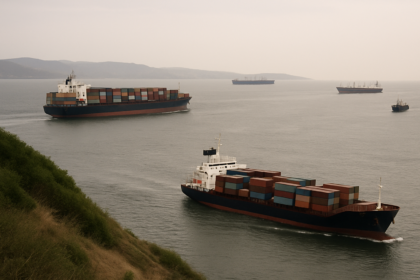
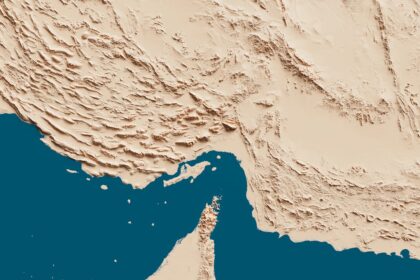
Mocha’s strategic location at the Bab el-Mandeb Strait enhances Houthi control over a vital maritime chokepoint. This waterway is essential for the transit of vessels carrying energy supplies. The disruption of maritime traffic through this corridor could exacerbate the global energy crisis, especially following Iran’s previous actions to block the Strait of Hormuz.
According to Yemeni government sources, this latest offensive is part of a planned campaign that has included substantial firepower, including rockets and drones, reportedly supplied by Iran through established smuggling networks. Analysts suggest that these developments add considerable pressure on international shipping and energy markets, already sensitive to geopolitical instability.

Iran’s Role and Regional Dynamics
As the Houthis consolidate their gains, Iran’s involvement has become increasingly overt. Reports indicate that Iranian commanders are coordinating military efforts on the ground, despite Tehran’s public denials of direct engagement. The Revolutionary Guards’ support includes not only military strategy but also logistical aid, enabling the Houthis to sustain operations despite ongoing blockades.
This situation has compelled the Yemeni government to request enhanced military support from Saudi Arabia, aiming for airstrikes against Houthi positions in the war-torn country. Saudi air power is crucial to counter the rebel group’s advances, particularly as they consolidate control over key territories and resources.
Global Energy Market Implications
The ramifications of Houthi advances extend beyond regional conflicts. With global energy supplies under constraint, potential disruptions in the Red Sea could drive oil prices higher, complicating maritime operations and shipping costs worldwide. Operators in the region are advised to remain vigilant, as the situation could change rapidly.
The Operational Read
The recent events surrounding the capture of Mocha port signal a significant shift in control, impacting the operational realities for shipping companies traversing the Red Sea. Increased hostilities may lead to higher insurance premiums and war-risk assessments for vessels operating in this corridor. Operators must closely monitor military developments and be prepared for possible reroutes and operational adjustments. The strategic chokepoint remains vulnerable, and stakeholders in the maritime industry should anticipate ongoing volatility in both the security landscape and global energy markets.