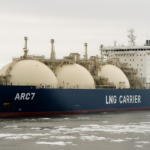
As the US enforces a renewed blockade against Iranian shipping, two US-sanctioned tankers have exhibited unusual navigation patterns in the Gulf of Oman and Arabian Sea, generating significant interest from global energy and shipping markets. The blockade, which began on July 16, 2026, is intended to curb Iranian energy exports, prompting vessels laden with Iranian oil, LPG, and petrochemicals to adjust their routes amid heightened military enforcement.

The Incident
According to US Central Command, the blockade has resulted in the redirection of three merchant vessels, a boarding for verification, and the disabling of a tanker that did not comply with US-issued instructions. Notably, a tanker was disabled by US missiles near Kharg Island, highlighting the aggressive stance of US military operations in the region.
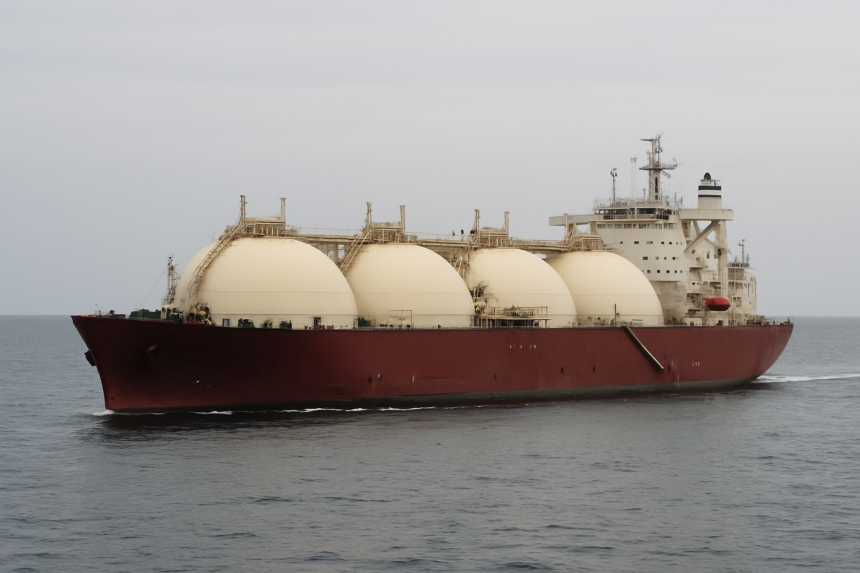
The liquefied petroleum gas carrier Glendale, tracked in the Gulf of Oman, abruptly reversed its course late on Thursday, ultimately stopping off the coast of Oman on Friday. Another tanker, Danuta I, initially signaling Sri Lanka as its destination, began moving erratically in a zig-zag pattern shortly after entering the Arabian Sea. A third vessel, the very large gas carrier Celeste, was also reported to be heading towards China, reflecting uncertainty among many operators regarding compliance with US regulations.

Market Impact
As of mid-July, satellite imagery indicated a significant presence of at least 91 Iran-linked vessels operating in the Persian Gulf and Gulf of Oman, according to the nonprofit organization United Against Nuclear Iran. The movements of these vessels are closely monitored by energy and shipping stakeholders to gauge the efficacy and reach of the US blockade.
Recent analyses suggest that Iranian tankers departing from the Persian Gulf have repeatedly altered their previously intended courses. In one instance, two tankers that initially signaled Karachi as their destination turned back towards the Gulf of Oman shortly after the blockade commenced. Such fluctuations could lead to potential delays and increased operational costs, elevating the risk of disruptions within regional energy supply chains.
Operator Response
In response to the evolving situation, operators are advised to exercise increased caution and consider potential reroutings to avoid escalating confrontation. With shipping activity through the Strait of Hormuz notably subdued, with only four Iran-linked vessels crossing in either direction recently, stakeholders must remain vigilant regarding compliance with US maritime directives.
The Operational Read
The evolving dynamics of the US blockade against Iranian shipping signify critical challenges for vessel operators and charterers engaged in the region. The immediate operational implications involve heightened scrutiny and potential rerouting, which can alter laytime calculations, increase demurrage costs, and complicate logistics management. Furthermore, the uncertainty surrounding compliance adds layers of risk for crews operating in these waters, as military presence and engagements escalate. Observing these maritime patterns is essential for stakeholders navigating the complexities of regional energy markets, which may experience fluctuations based on the enforcement actions taken by US forces against tanker operations.