Houthis Target Saudi Oil Tankers Encelia and Layla Amid Naval Blockade

The strikes raise security concerns in the Red Sea, underlining the risks to maritime trade. UKMTO reported crew-safe incidents while investigating rising tensions in the region.

3 Min Read
Illustration: Maritime Briefs

The Houthi movement in Yemen has resumed attacks on commercial shipping, claiming responsibility for missile strikes on two Saudi oil tankers, Encelia and Layla. These incidents were reported shortly after the UK Maritime Trade Operations (UKMTO) noted a tanker was hit approximately 70 nautical miles southwest of Al Shuqaiq, Saudi Arabia, prompting an active firefighting response from the crew. No casualties or environmental impacts have been reported, according to UKMTO.

Houthis Target Saudi Oil Tankers Encelia and Layla Amid Naval Blockade
Photo: Fredrick F.

The Incident

The Houthis’ statement indicated that the operation involved ballistic and cruise missiles, as well as drones, asserting that both vessels caught fire during the assault. This offensive marks a notable escalation, occurring shortly after the Houthis declared a maritime blockade against Saudi Arabia, accusing the vessels of violations associated with their blockade strategy. The strikes represent a tactical shift, targeting Saudi-linked vessels in the Red Sea, an area critical for global oil transit.

Market Impact

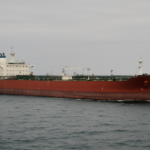
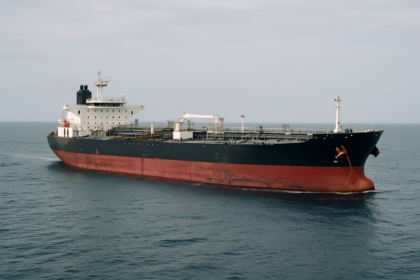
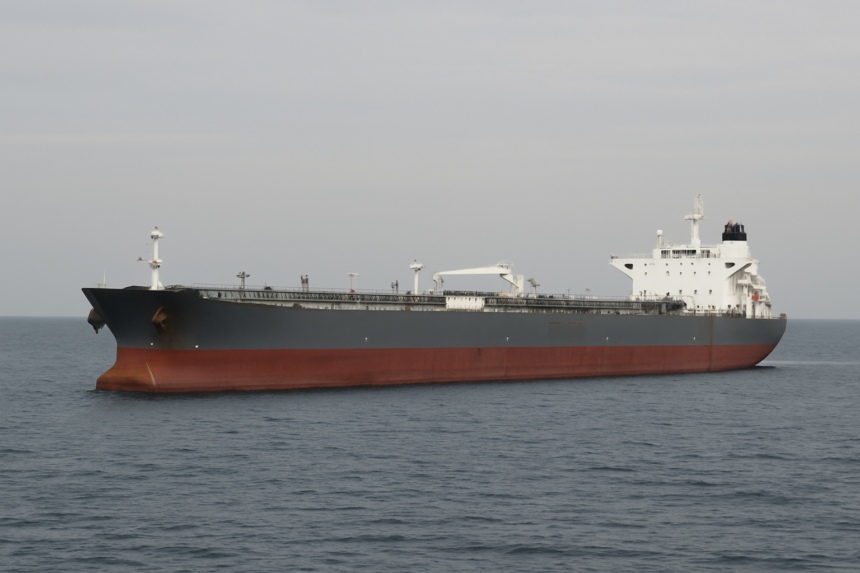
Both affected vessels are firmly rooted in the Saudi maritime framework. Encelia, a 109,250 DWT oil products tanker built in 2003, is managed by Bihar International Co. of Jeddah, while Layla, a larger 317,821 DWT crude oil tanker built in 2007, is owned by National Shipping Company Saudi Arabia (Bahri). The assault on these vessels signals possible repercussions for the wider energy market, worsening the prevailing concerns regarding shipping security in the Red Sea. The Houthis have claimed prior successes in forcing approximately ten ships to retreat, asserting a ‘siege for a siege’ approach against Saudi interests.

- Advertisement -
Ad image

Operator Response

Given the recent incidents and the intensified threat perception, shipping operators may need to reassess their transit routes through the Red Sea. Enhanced vigilance and the establishment of contingency plans will be vital, particularly for vessels associated with Saudi interests. With U.S. Central Command acknowledging the situation, further military presence may be expected in response to escalating maritime threats. Shipping companies are advised to remain alert for UKMTO guidance and to report any suspicious activity while navigating these increasingly perilous waters.

The Operational Read

The recent attacks by the Houthis underscore a significant operational challenge for shipping operators in the region. The declared maritime blockade adds layers of complexity to transit routes, potentially impacting laytime and charter party negotiations for vessels operating in these waters. The current geopolitical climate necessitates a reassessment of risk management strategies, particularly for Saudi-flagged vessels, which may face heightened scrutiny and reprisals from Houthi forces. Operators should prepare for increased war-risk premiums and consider re-routing options, prioritizing safety and compliance with maritime advisories. Industry stakeholders should monitor developments closely, as the potential for further escalations could markedly affect the flow of energy trade through this critical chokepoint.

Share This Article
The Maritime Briefs Editorial Desk is a team of experienced seafarers, Chief Engineers, Masters, maritime professionals, and editors covering global shipping and maritime industry developments.