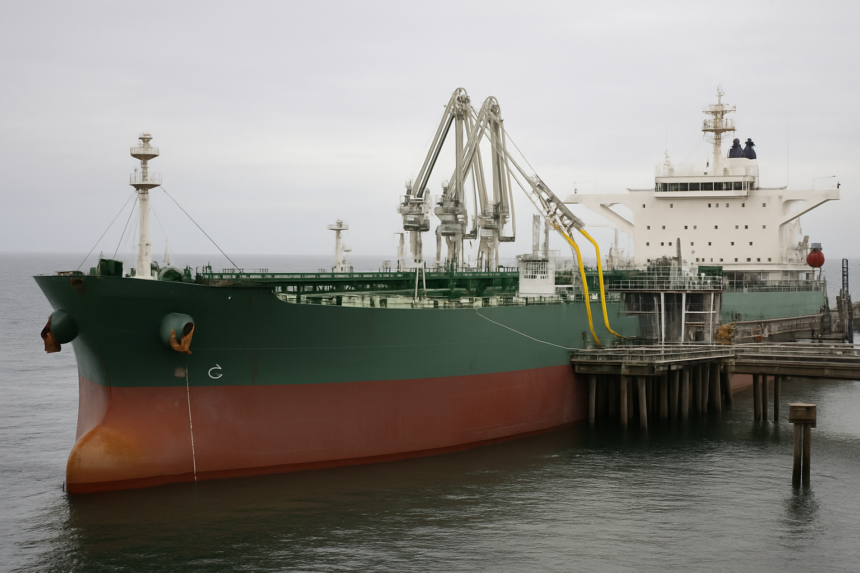
The global shipping industry is facing an impending fuel crisis that could incapacitate up to 10% of its fleet, according to Larry Johnson, global head of freight at Mercuria. Ongoing conflicts in the Middle East have exacerbated fuel supply pressures, particularly for diesel and jet fuel that are crucial to maritime operations.
Current Supply Situation
Refineries are struggling to balance soaring clean product demand with residual fuel needs for the marine sector. Johnson highlighted that as refiners prioritize high-margin products, the marine fuel market is seeing feedstocks diverted for further processing. This has led to significant declines in available stocks. The world’s largest bunker hub, Singapore, reported residual fuel supplies at near one-year lows as of April, while the UAE’s Fujairah has experienced record low inventory levels.
Market Dynamics and Predictions
As of now, there is a stark lack of contingency reserves in the shipping industry, which may face fuel stock-outs in various regions by July, and widespread outages in major hubs by August or September. With a total global consumption of approximately 3.3 million barrels per day of residual fuels and 870,000 barrels of marine gasoil, the sector is particularly vulnerable to abrupt supply chain disruptions. Current pricing for the predominant 0.5% sulfur fuel oil has escalated dramatically, with rates surging nearly 60% since the conflict began, reaching a peak of $1,022 per metric ton before settling to around $830.

In response to these surging costs, operators have begun part-loading fuel tanks to mitigate expenses and prepare for fluctuating market conditions. However, the ongoing situation is causing diminished confidence in fuel availability, threatening to impact service delivery across the industry. Johnson warned that if current trade disruptions persist, the subsequent fuel shortages may trigger congestion similar to the challenges experienced during the Covid-19 pandemic, potentially impacting trade routes significantly.
The Operational Read
The lack of inventory buffers in the maritime sector contrasts sharply with other industries that might leverage state reserves in crisis situations. This deficiency places shipping operators at an operational disadvantage as they may need to shift entirely to competing for diesel supplies, typically prioritizing more lucrative markets. As residual fuel supplies dwindle and effective management becomes crucial, cargo operators, especially in lower-margin sectors like dry bulk, must remain vigilant about potential shortages and related trade disruptions. The continuation of high fuel prices could lead to diminished freight rates, a ripple effect affecting overall market conditions, and a need for strategic operational adjustments across the board.