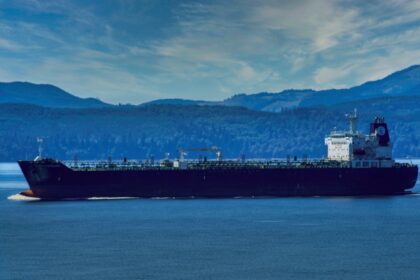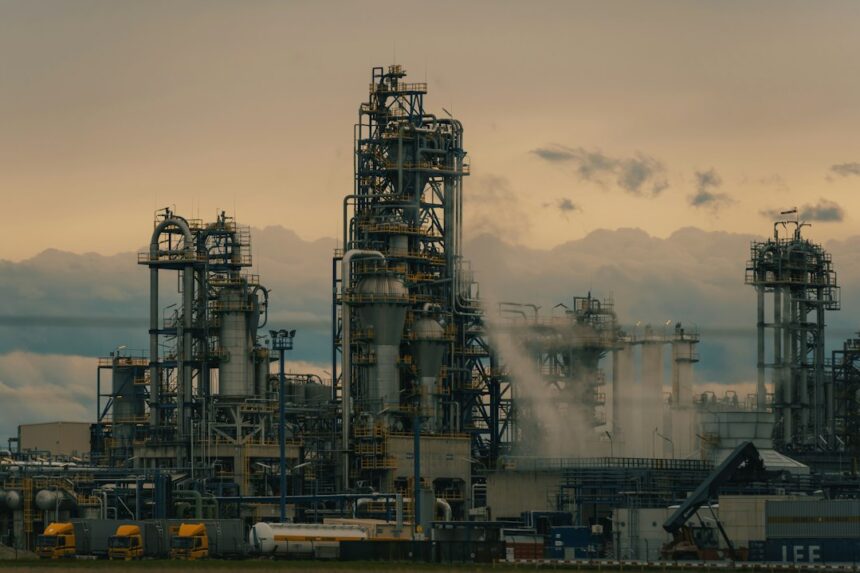
Increasing geopolitical tensions surrounding the Iran conflict have notably escalated tanker freight rates, providing a competitive edge to US Gulf Coast refiners. As heavy crude sellers are compelled to deepen discounts amid soaring shipping costs, US refiners are reaping the rewards, reporting significant profit growth in their third-quarter results.
Impact of the Iran Conflict
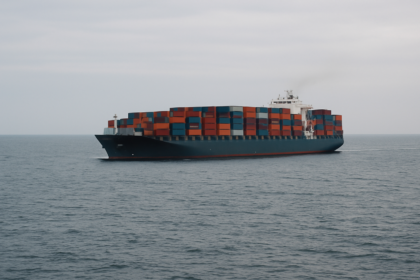
Security threats in and around the Strait of Hormuz, through which approximately one-fifth of global oil and LNG supplies transit, have led to disruptions in tanker traffic. These challenges, coupled with heightened war-risk insurance premiums, have propelled shipping costs to unprecedented levels, particularly impacting Asia’s importers. Executives from major US refining companies have noted unmatched operational advantages stemming from these market changes.
Regional Price Dynamics
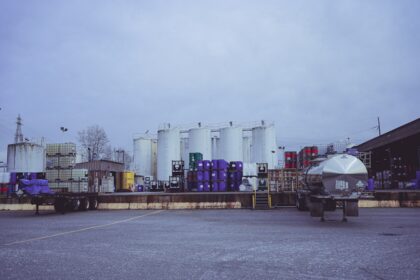
US Gulf Coast refiners, such as Valero Energy and Phillips 66, have experienced robust refining margins, more than doubling in the third quarter. This surge comes as rising freight rates widen the discounts applied to Canadian heavy crude, including Western Canadian Select (WCS). With over 70% of US Gulf Coast refining facilities traditionally designed for heavier crude processing, this pricing shift offers a significant cost advantage when compared to rising freight and insurance costs faced by Asian competitors.


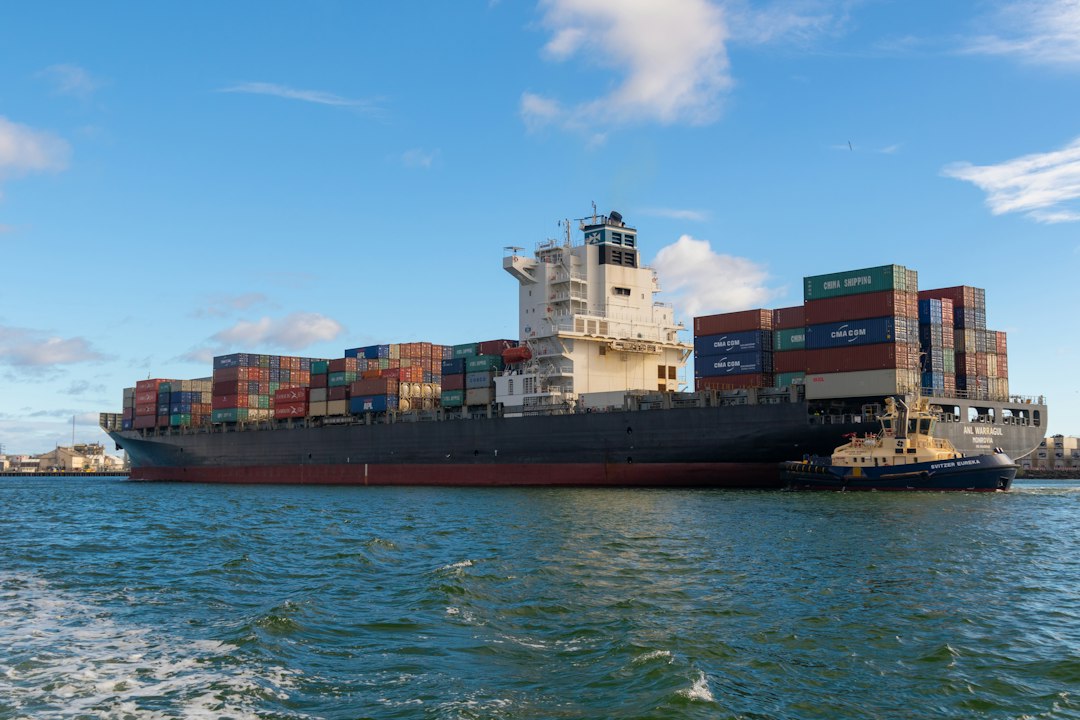
According to Randy Hawkins, Vice President of Crude and Feedstocks Supply and Trading at Valero, crude shipping costs from the US Gulf Coast to Asia have inflated dramatically, reaching $30-$35 per barrel, compared to around $5 one year prior. This environment not only favors domestic refiners but enhances their competitiveness in export markets, particularly in Latin America.
Resilience and Future Outlook
US refiners positioned themselves strategically ahead of the conflict, securing substantial charter arrangements. Phillips 66, for instance, locked in over 40 time-charter vessels, which covered approximately 40% of their shipping requirements. This foresight has insulated them from the sharp uptick in spot tanker rates observed post-conflict.
Industry leaders, including Marathon Petroleum and HF Sinclair, project continued strength in Canadian heavy crude processing into the upcoming quarters, with executives indicating that margins will remain elevated through at least mid-2027. Observation of the wider WTI-WCS differentials suggests that refiners will continue to benefit as these trends unfold.
Behind the Headline
The current operational landscape presents a unique scenario for US refiners, highlighting the benefits of strategic advance shipping arrangements that mitigate the volatility associated with fluctuating freight costs. The widening price differentials for heavy crude products create lucrative opportunities, particularly for facilities geared towards heavier slate processing. Moving forward, operators are advised to monitor geopolitical developments closely, as ongoing tensions may further influence freight landscapes and refining dynamics. The ability to navigate this complex environment will be paramount for sustaining profit margins and operational efficiency.