Update 17 Nov 2026, 18:32 UTC:
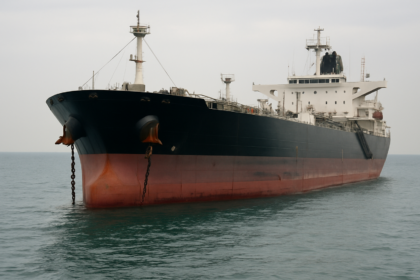
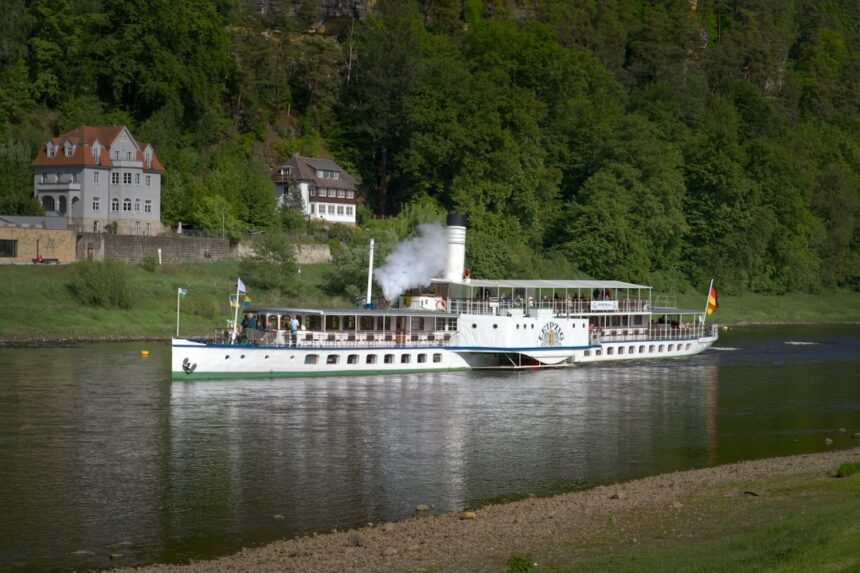
On November 13, 2026, a Marshall Islands-flagged tanker, Atlantic Asphalt, collided with the American Heritage, a river cruise vessel docked in New Orleans. The incident occurred near the Crescent City Connection Bridge, resulting in the capsizing of the riverboat. Fortunately, all 190 passengers and crew aboard survived, although 32 individuals required hospital treatment.
The Incident
This latest allision brings renewed attention to safety concerns regarding large commercial vessels operating near passenger ships along the Mississippi River. The National Transportation Safety Board (NTSB) had previously highlighted these vulnerabilities following a similar incident in 1998, when a Liberian-flagged bulk carrier, Bright Field, lost propulsion and crashed into facilities along the riverfront, injuring 62 people. The findings from the NTSB’s investigation into that accident stressed the importance of relocating passenger vessels or implementing protective measures to prevent future occurrences.

The NTSB’s 1998 report revealed that several critical factors contributed to the heightened risk for passenger vessels along the river, including the navigation of large vessels in narrow, heavily trafficked areas close to terminals and commercial facilities. Its recommendations called for the Coast Guard and Port of New Orleans to assess the risks associated with passenger vessel berths and explore mitigation strategies, including physical barriers and operational protocols.
Regulatory Landscape
The alarm sounded nearly three decades ago seems to resonate again as authorities reassess the challenges posed by river traffic. The NTSB emphasized the need for comprehensive risk assessments involving maritime activities and shore-based operations throughout the port. Identifying solutions such as reducing vessel speeds, employing tug escorts, and relocating passenger vessels to safer docking locations remains critical in addressing these risks.
The incident with the American Heritage further amplifies questions surrounding the effectiveness of current safety protocols. Compounding pressure on regulatory bodies, stakeholders in the maritime industry are drawn into discussions on improving operational safety in the face of increasing commercial activity along the Mississippi River.
The Operational Read
As this incident underscores, the operational landscape for passenger vessels along the Mississippi River requires urgent reevaluation. Both fleets operating in proximity to the river and the regulatory bodies must prioritize safety protocols to mitigate risks from large commercial ship traffic. Safeguarding passenger vessels through better dock placement, enhanced navigation protocols, and implementing comprehensive emergency response strategies will be paramount to ensuring passenger safety. Operators and regulators alike must closely monitor near-miss incidents and accidents to develop proactive measures that secure the safety of all vessels transiting this vital waterway.