Update 15 Jul 2026, 10:34 UTC:
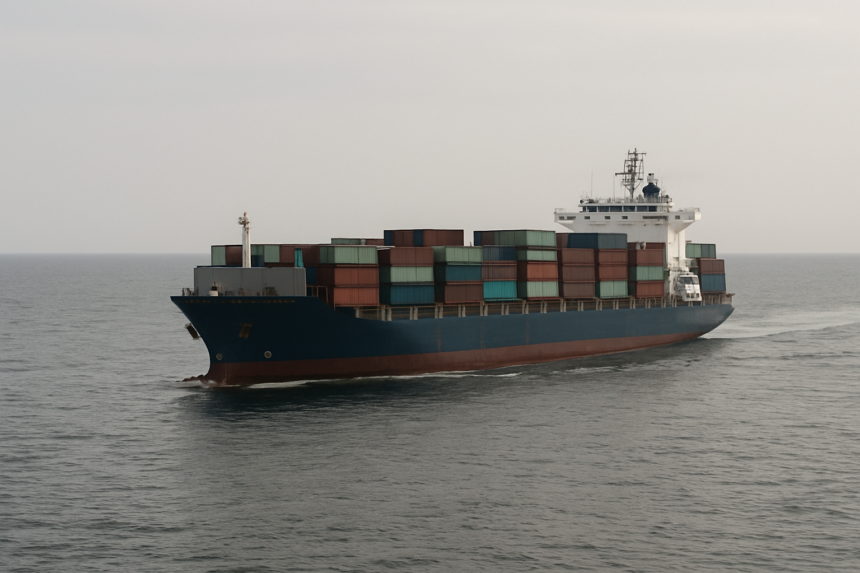
In a significant escalation of maritime conflict, Ukrainian forces have reportedly struck 116 Russian vessels within a span of nine days in the Sea of Azov. This intense campaign is being noted as one of the most concentrated series of attacks on merchant shipping in modern history, overshadowing even the notorious tanker wars of the 1980s.
The Incident
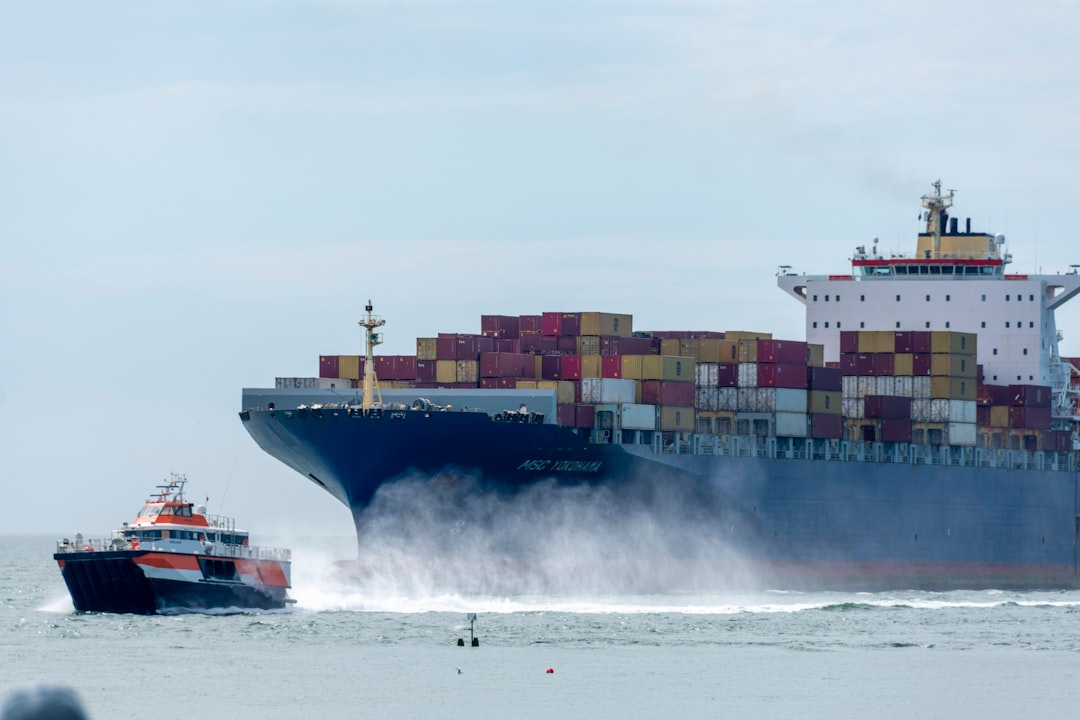
The recent blitz by Ukraine marks a pivotal moment in the ongoing conflict, illustrating high levels of maritime aggression and tactical operations targeted at disrupting Russian shipping activities. The concentrated nature of this operation, with an average of over a dozen vessels struck each day, raises alarms within the international shipping community regarding the safety and viability of routes in the Sea of Azov.

Market Impact
As hostilities escalate, the implications for shipping operators are profound. The risk of vessel damage or loss not only endangers crew safety but also complicates logistical planning for carriers operating in or near affected waters. Rising war-risk premiums and complex insurance arrangements may become a primary concern for operators in the aftermath of these events.
Operator Response
Shipping lines are closely monitoring developments in the Sea of Azov, with some operators potentially reconsidering routes or scheduling to mitigate risks. Enhanced security measures and contingency planning will be critical for carriers seeking to maintain operations in a progressively hostile environment.
The Operational Read
This concentrated military campaign reflects an operational pivot on the part of Ukrainian forces, demonstrating a strategic focus on disrupting maritime logistics of the Russian supply chain. For operators, this places a premium on navigating geopolitical developments with sensitivity to regional threats. The potential for increased insurance costs and services disruptions necessitates proactive engagement with risk assessment frameworks. Stakeholders should monitor developments closely, as the evolving situation could redefine shipping patterns and increase the imperative for secure operations in the region.