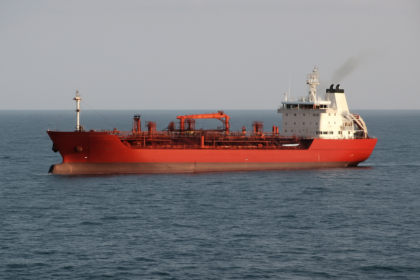



NATO has announced the deployment of additional maritime patrol aircraft, drones, and radar systems to the Black Sea as part of its enhanced surveillance measures following a series of deadly attacks on merchant shipping off the coasts of Romania and Bulgaria. This decision was made during a recent meeting of the North Atlantic Council held in Brussels.
The Incident
The recent string of attacks on merchant vessels in the Black Sea has raised significant concerns about the safety of maritime operations in this strategically important area. These incidents underscore the volatility of regional security dynamics, which have been affected by ongoing geopolitical tensions. The involved merchant shipping routes are vital for international trade, and any disruptions can have far-reaching implications for commercial shipping operations.

NATO’s Response
NATO’s decision to bolster its maritime capabilities includes not only the deployment of surveillance aircraft but also the introduction of drones and advanced radar systems to monitor maritime activities continuously. In addition, intelligence personnel and explosives investigation teams will be dispatched to support ongoing efforts to assess and mitigate the risks faced by shipping operators in this area. This multifaceted approach aims to ensure that the Black Sea remains a secure environment for commercial shipping.


The Operational Read
The operational realities behind NATO’s enhanced presence in the Black Sea highlight the direct impact on shipping operators navigating this corridor. With the elevated risk of attacks, maritime companies may need to consider revising their routing and risk assessment strategies. Increased surveillance could enhance reporting and intelligence sharing, potentially leading to improved safety protocols. However, operators must remain vigilant and responsive to the evolving security landscape. Industry stakeholders should monitor NATO’s ongoing deployment and be prepared for possible implications on shipping schedules, insurance premiums, and overall operational costs in the region.