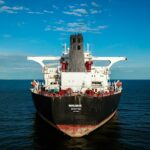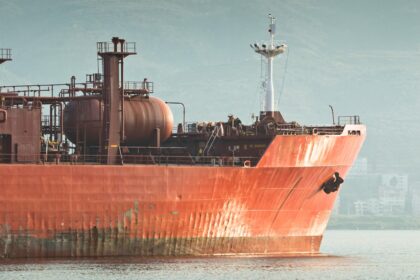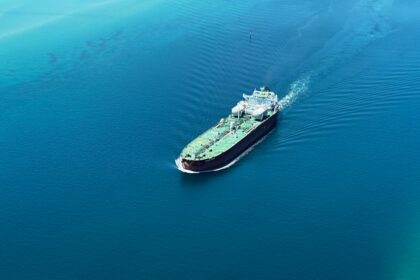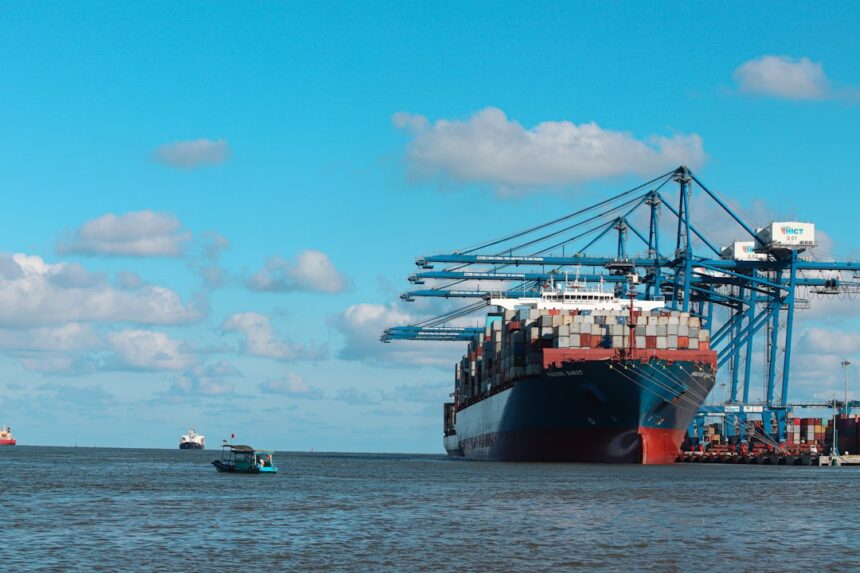
The U.S. Coast Guard has published a review outlining the escalating risks associated with larger commercial vessels operating at U.S. ports, following the 2024 collapse of Baltimore’s Francis Scott Key Bridge. Prompted by the March 26, 2024, incident involving the containership Dali— which lost electrical power and collided with the bridge— the review underscores the urgent need for improvements in port infrastructure and risk assessment methodologies.
The Incident
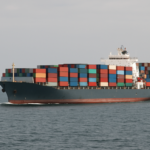
The allision of the Dali resulted in six fatalities, extensive damage to the Key Bridge, and the prolonged shutdown of the Port of Baltimore. The Board of Inquiry noted that, despite the presence of a pier protection system, such measures were inadequate against the impact of a large vessel. This incident has highlighted a broader concern regarding the infrastructure’s ability to withstand today’s shipping scale, as contemporary containerships greatly exceed the designs of many existing ports and bridges.
Findings from the Review
The Coast Guard’s inquiry evaluated 11 key port areas, including Los Angeles/Long Beach and New York/New Jersey, utilizing port visits and stakeholder interviews alongside vessel movement and casualty data to assess vulnerabilities. A significant finding was the frequent mention of bridge allisions as a leading concern at eight of the locations surveyed, while vessel collisions and major weather events were noted at seven ports. As more ports handle larger vessels and experience increases in commercial and recreational traffic, a mismatch between aging infrastructure and shipping operations has become evident.

Moreover, the existing waterways risk assessment tools are reported as underutilized. The Coast Guard’s Waterways Analysis and Management System stipulates that critical waterways must be reviewed at least every five years, yet records indicate that 18 out of 41 Captain of the Port zones surveyed have failed to complete any assessment since 2015. This deficiency raises alarms about the nation’s preparedness to address rising maritime risks.
Recommendations for Improvement
The Board’s conclusions stress the importance of updating risk management strategies, establishing baseline maritime risk metrics, and enhancing workforce development. A notable staffing shortage—approximately 31%, translating to 57 operational billets—within the Coast Guard’s Waterways Management program further complicates the ability to carry out mandated risk assessments effectively.
Additionally, the report emphasizes the need for a more coordinated governance structure that aligns the Coast Guard’s operational policies, personnel, and training protocols. Achieving these recommendations will be crucial in safeguarding the U.S. Marine Transportation System against the potential dangers associated with larger vessel operations and aging port infrastructures.
The Operational Read
The findings from the Coast Guard’s review reflect significant operational realities affecting port operators and stakeholders. As the size and complexity of commercial vessels continue to grow, the inherent risks posed by infrastructure inadequacies become increasingly critical. Port stakeholders must not only advocate for immediate reforms but also engage in continuous dialogue with the Coast Guard to ensure that risk assessments remain current and effective. The considerable staffing deficits further exacerbate the challenges of maintaining safety and operational efficiency. Attention to infrastructure modernization and proactive risk management will be essential in mitigating future incidents, ensuring that U.S. ports can safely accommodate the next generation of shipping demands.