Update 11 Nov 2026, 18:32 UTC:
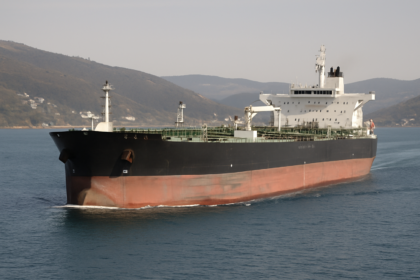
Striking evidence of turmoil in the Strait of Hormuz continues to emerge, as tanker attacks persist amid fragile hopes for de-escalation in the Iran war. Recent incidents, including a burning Navig8-managed tanker off the coast of Oman, highlight the ongoing risks for maritime operations in the region.
Escalating Attacks on Commercial Vessels
Despite optimism following U.S. political shifts, which have seen a more conciliatory approach from President Donald Trump post-midterm elections, a recent surge in attacks suggests otherwise. On Sunday, video footage verified by Reuters showed a tanker’s flames and subsequent satellite imagery indicated significant smoke plumes at the site. The Iranian state broadcaster reported this vessel was among three ships attacked for allegedly using unauthorized routes through the strategic strait.


October recorded a staggering total of 37 ship attacks—an unprecedented figure since the conflict’s start in late February, according to the Washington Institute for Near East Policy. The environmental repercussions are already evident, with ongoing oil spills reaching Omani shores and reports of leakage from damaged vessels.
Military and Geopolitical Implications
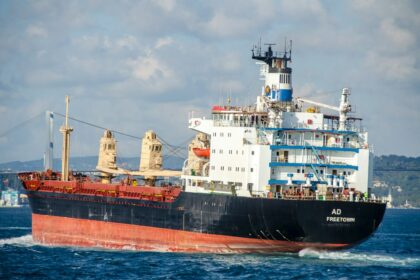
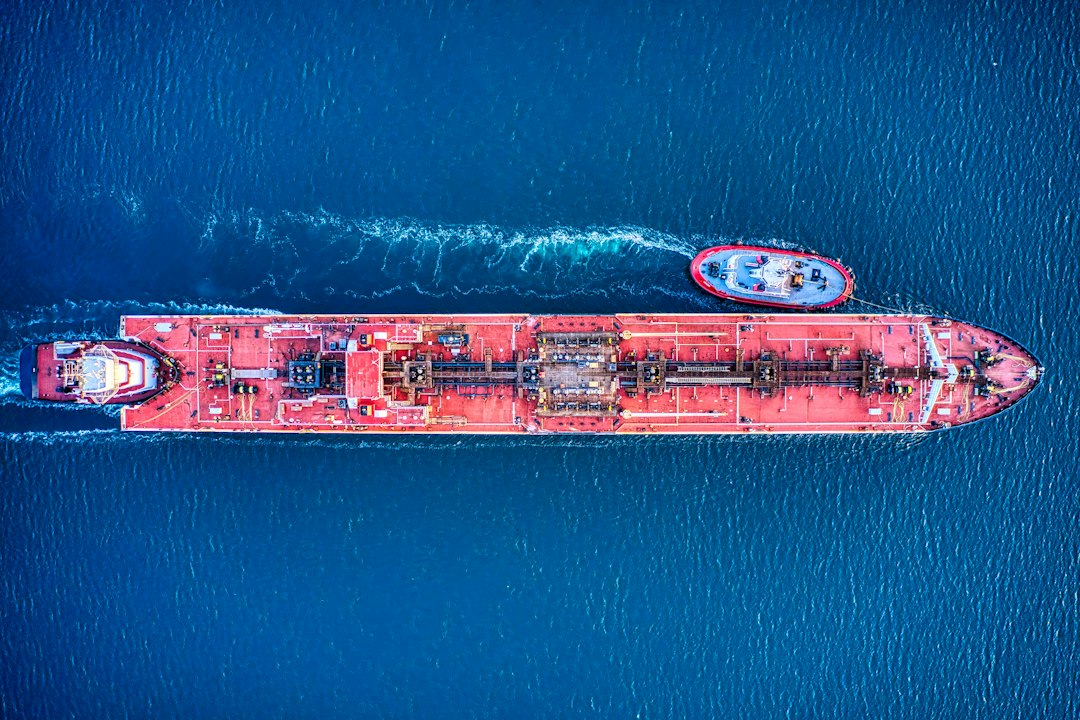
Additionally, U.S. military intervention has remained robust, with forces enforcing a naval blockade on Iranian ports. This included a recent incident where a U.S. military aircraft disabled a cargo vessel flagged under St Kitts after it attempted to leave Iranian waters. Reports indicate that many of these encounters are interconnected with Iran’s Revolutionary Guards Navy, which claims responsibility for recent maritime disruptions, including assertions that two tankers were struck by naval mines.
Further complicating the geopolitical landscape, attacks on energy infrastructure have also escalated, with missile strikes directed at Saudi Aramco’s facilities. The Saudi Energy Ministry confirmed limited damage but reiterated ongoing threats to the region’s critical energy sector. With at least 130 incidents confirmed by the International Maritime Organization since February—and with the loss of life among seafarers reaching 25—the situation warrants urgent attention from stakeholders.
The Operational Read
The persistent attacks on commercial vessels in the Strait of Hormuz reflect the heightened risk levels for shipping operators in this crucial maritime chokepoint. Operators must navigate not just geopolitical tensions but also the operational complexities of increased military presence and environmental hazards from potential oil spills. The implications extend to shipping routes, insurance premiums, and the broader market stability, with regional shipping costs likely rising as companies seek to mitigate risk. Continuous monitoring of military activity and adjusting operational plans will be vital for all stakeholders involved in maritime transit in this area.