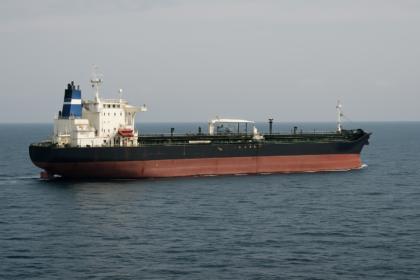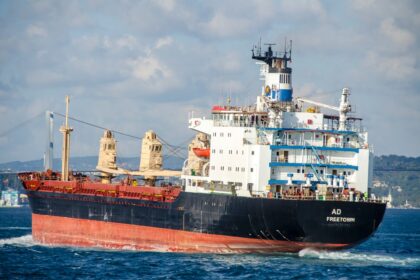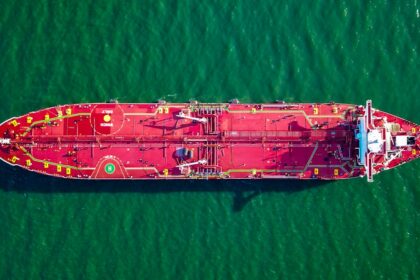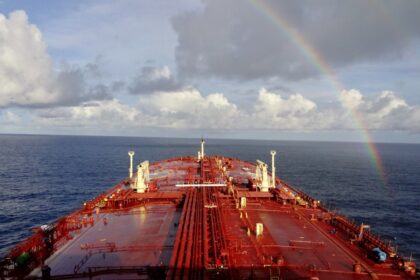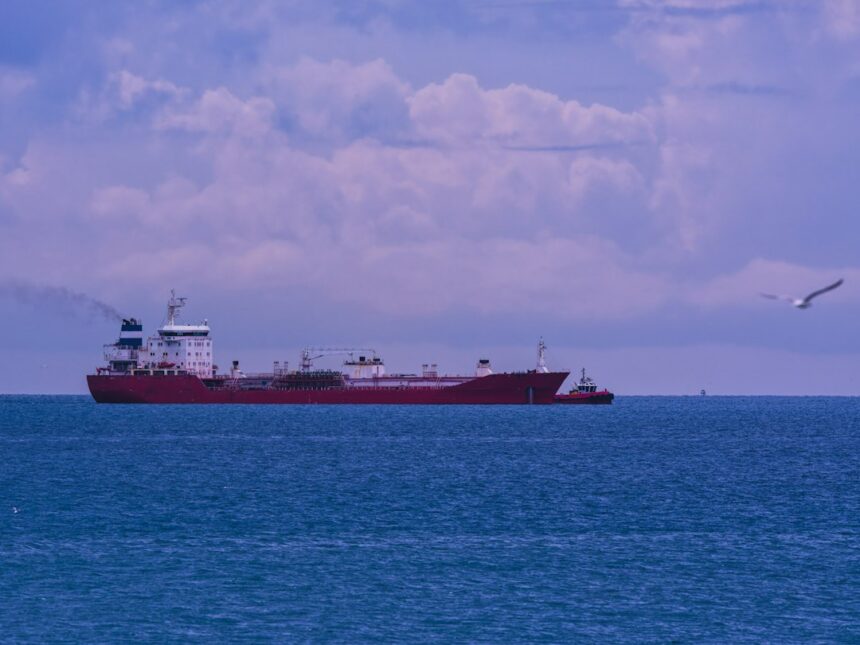
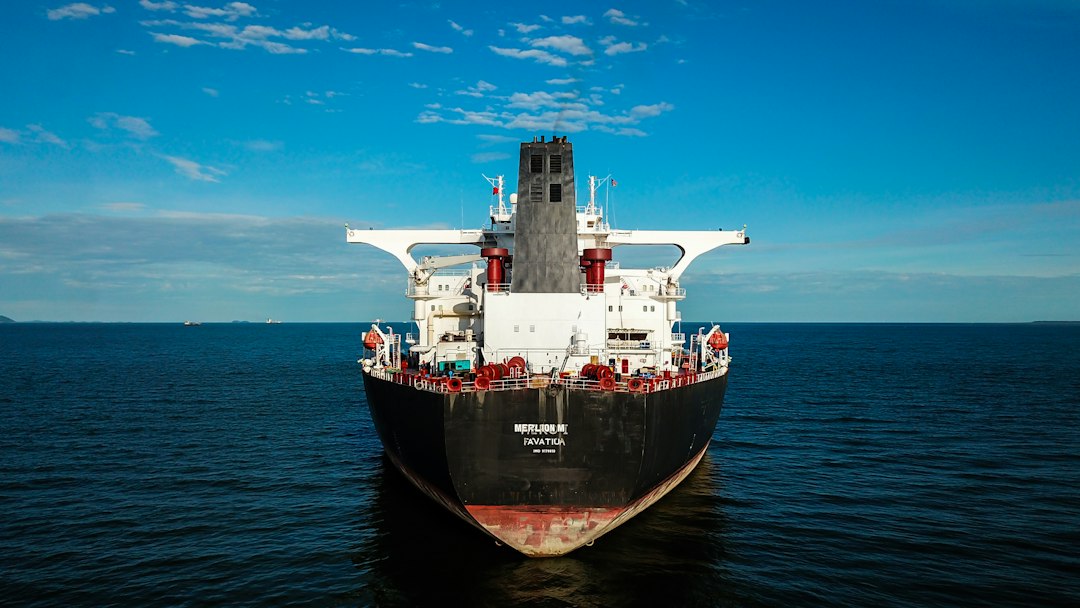
Between September 16 and November 7, 2026, Windward Maritime AI™ Platform documented the presence of twelve sanctioned tankers delivering fuel to the Houthi-controlled Ras Issa terminal on Yemen’s Red Sea coast. These vessels collectively transported an estimated 3.26 million barrels of fuel, with eleven already designated under U.S. sanctions.
Incident Overview
Windward’s findings emphasized that the majority of identified tankers had disabled their Automatic Identification System (AIS) during operations, complicating tracking efforts. Notably, five of the twelve vessels transmitted false positional data, with discrepancies of up to 2,800 nautical miles. These tactics appear to be part of a broader strategy to evade sanctions and continue supplying fuel.
The identified vessels are implicated in a significant sanctions evasion scheme. Most notably, eleven hold U.S. sanctions designations, spanning programs that include counter-terrorism, Iran, and Russia, indicating a complex interplay of geopolitical interests influencing maritime operations. Among these, three vessels were explicitly sanctioned for supplying Ras Issa.

Supply Line Analysis
Windward detailed two distinct supply lines into Ras Issa: one originating from Russia through the Suez Canal and the other from Iran via the Strait of Hormuz. The northern supply line accounted for six of the twelve tankers, transporting approximately 1.57 million barrels of fuel, including Russian diesel and Gulf-loaded gasoline. This intricate network involved multiple ship-to-ship transfers to obscure the cargo’s origin.
For instance, a cargo of 130,400 barrels of Russian diesel commenced from Taman, passing through three ship-to-ship transfers before reaching its final destination. The final tanker, ASTRA, was found anchored off Djibouti, declared “SUEZ” as its intended destination but diverted northward, highlighting the lengths to which operators will go to avoid detection.
Market Implications
The revelations regarding these sanctioned tankers not only underscore the resilience of illicit supply chains but also raise critical concerns about the effectiveness of current maritime sanctions enforcement. With vessels of varying national registrations, including those from landlocked nations, the challenge posed to regulatory authorities is substantial.
As further tankers were observed at the Ras Issa anchorage, untraced, this situation warrants renewed scrutiny from the international maritime community. Enhanced monitoring and an integrated approach are essential to intercept these supply routes and mitigate sanctions evasion effectively.
The Operational Read
The operational realities depicted by the observed movements of these sanctioned tankers illuminate the complexities involved in enforcing maritime sanctions. As vessels disable AIS and manipulate positional data, the risks of operational disruptions increase for legitimate commercial shipping. Shipping operators need to enhance due diligence procedures and invest in advanced monitoring technology to ensure compliance with international sanctions. The situation will likely prompt an increase in reporting obligations and a reevaluation of risk assessments by insurers concerning crew and vessel safety in the region.