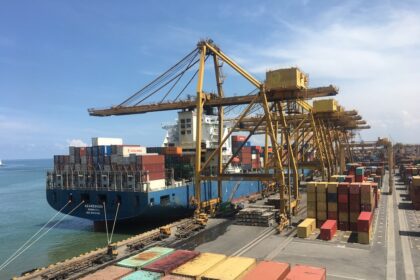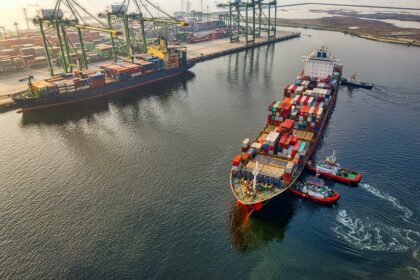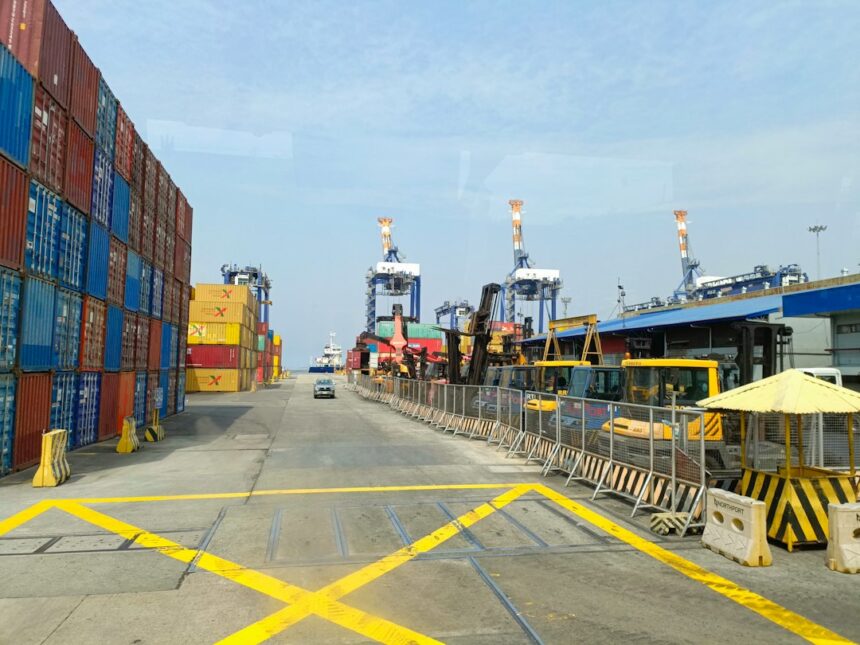
Significant delays at Durban’s container terminal are threatening the stability of South Africa’s auto industry, vital for the nation’s economic output. According to reports, congestion has led to average vessel waiting times nearly doubling, causing severe disruptions in supply chains.
Durban has long struggled with operational inefficiencies, previously ranking among the world’s least performant container ports. In an effort to improve operations, the South African government initiated a partnership with the Manila-based International Container Terminal Services, Inc. (ICTSI) at the start of the year. However, the transition to a new operating system has faced challenges, as noted by Transport Minister Barbara Creecy, contributing to a worsening situation.
Impacts on the Automotive Sector
The delay in port operations has had immediate repercussions for the country’s automotive sector. Despite competition from low-cost Asian imports and increased US tariffs, local manufacturers depend heavily on efficient logistics. On Friday, Metair Investments Ltd., a key supplier for major brands like Volkswagen, Ford, and Toyota, reported that its market value plummeted nearly fifty percent due to concerns over extended port backlogs. The company indicated that delays nearing 20 days jeopardized its ability to fulfil contractual obligations, underscoring the broader implications for the automotive manufacturing value chain.


Renai Moothilal, CEO of the National Association of Automotive Component and Allied Manufacturers (NAACAM), expressed serious concerns over port congestion, stating, “These delays are detrimental to the competitiveness of South African automotive manufacturers.” As automotive production relies on timely access to components and materials, sustained bottlenecks could result in a significant loss of market share to foreign competitors.

Operator Response and Future Outlook
In response to escalating concerns from industry stakeholders, Durban Gateway Terminal, the operator largely owned by ICTSI, acknowledged the issues and has committed to meeting with NAACAM members on Monday to discuss the ongoing disruptions. In a recent statement, CEO Javier Lancha indicated the operational platform has since stabilized, and measures are being taken to enhance communication regarding terminal performance and disruptions.
The focus will now shift to whether these measures can effectively restore normal operation levels in the short term. Terminals play a crucial role in supply chain management, and any prolonged inefficiencies may not only impact the automotive sector but could also have ripple effects across various industries reliant on the same logistics network.
Behind the Headline
The challenges faced by the Durban port serve as a potent reminder of the intertwined nature of port operations and industrial competitiveness. With automotive production and exports crucial to South Africa’s economy, the operational effectiveness of its ports is paramount. As the government collaborates with private operators to improve terminal performance, operators must prepare for potential disruptions due to the ongoing complexity of global supply chains. Industry watchers should closely monitor the outcomes of engagements between the terminal operators and manufacturers, alongside broader trends in logistics optimization across the region.